
Quickest Way to Have Your Interior Painted in Calgary

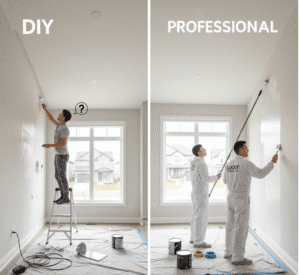
An airless sprayer is the fastest method for painting interior walls, but the resulting overspray makes it impracticable for painting a single wall. You may also use a roller and brush instead. A roller is best for covering large areas of wall, while a brush is better for getting into tight spaces and painting around fixtures. Although rolling a wall requires no special skills, certain pointers may make the process go more quickly.

Tape With Discretion
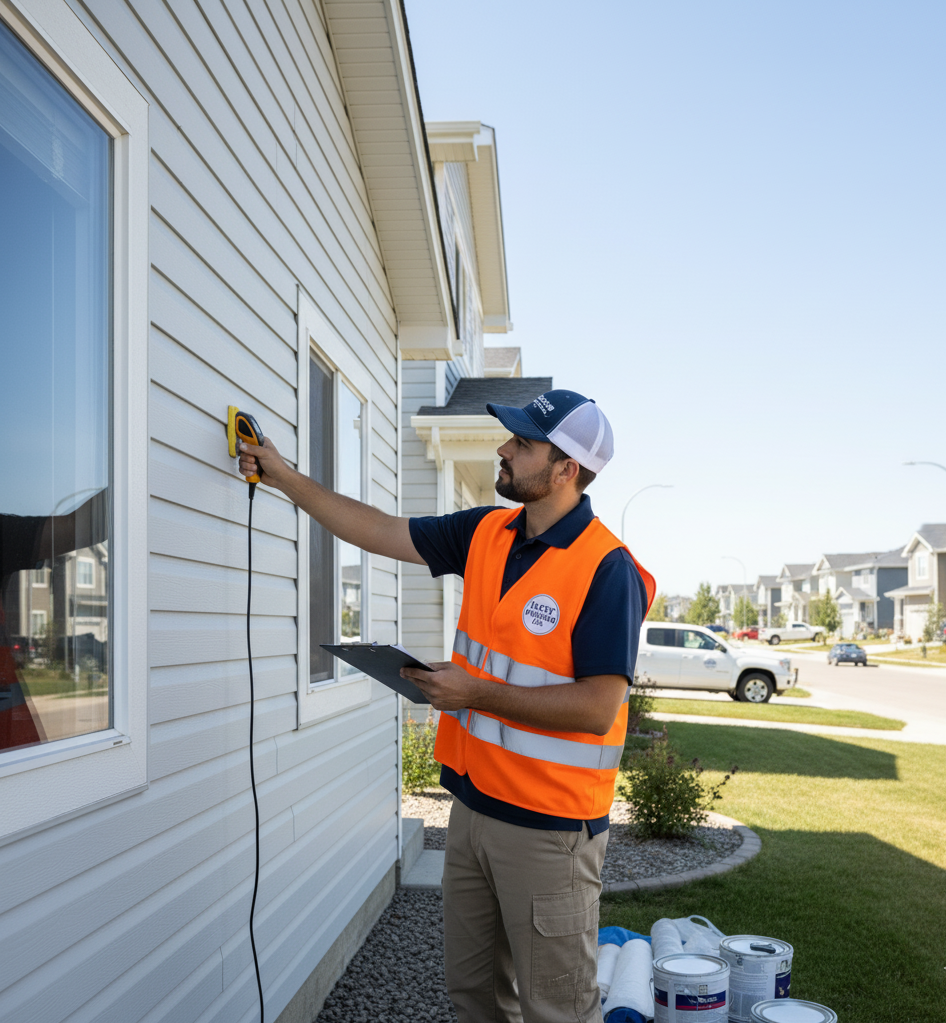
The process of taping off trim, woodwork, and windows may be tedious and potentially damaging to freshly painted surfaces. If you’re willing to carefully cut in, you can skip taping the vertical and above boundaries. Making a straight line with your paintbrush isn’t too difficult, provided you have a steady hand and an attentive eye. This is particularly true if you use a high-quality brush with tapered bristles. Make sure the walls are ready to go.
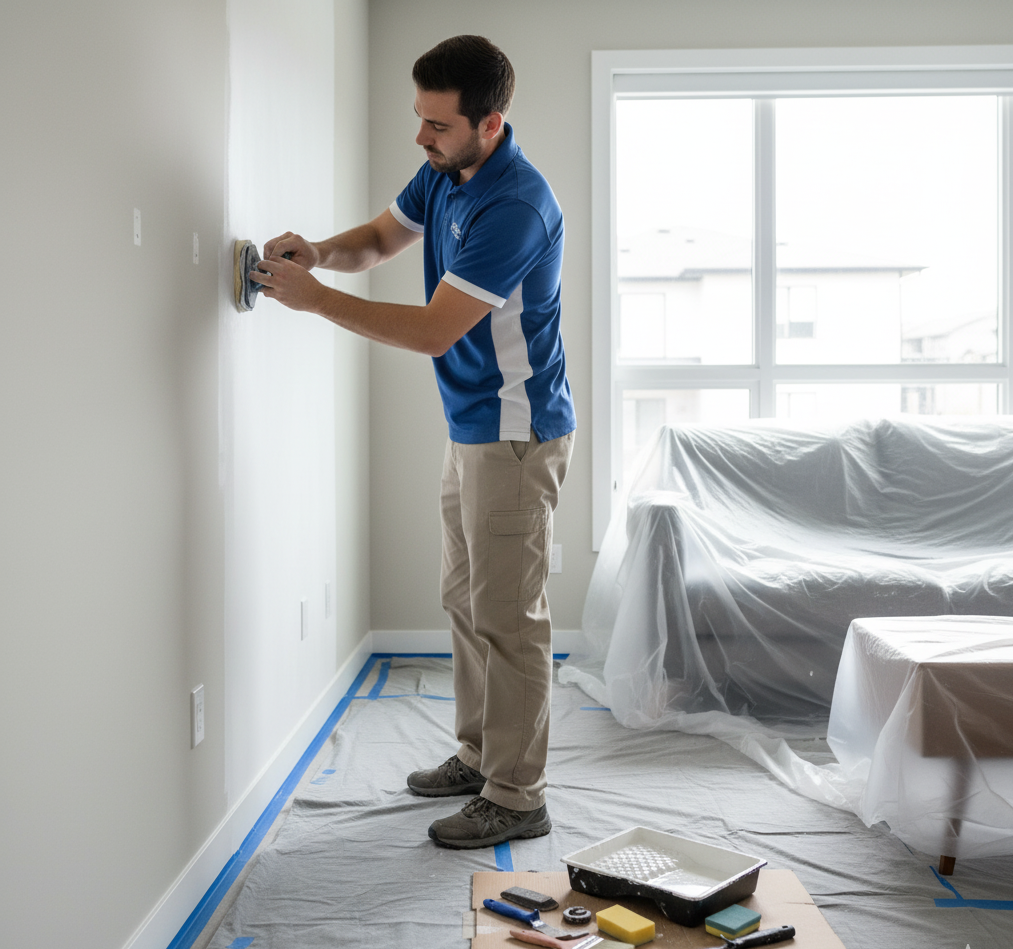
Preparing the walls before painting will save you time and effort. This involves etching the surface so the paint adheres and ensuring sure there are no specks of old paint or dried joint compound that will ruin the finish. The best approach to degloss old paint and remove grease, crayon stains, and other filth is to wash the wall with a solution of 1 cup trisodium phosphate or an equivalent detergent to a gallon of warm water. Use a thin coat of lightweight wall spackling compound to patch up any holes you see. It dries rapidly and sands very smoothly.

Prepare the Paint
The paint in a can should be strained before being poured onto the rolling tray. In this way, you may avoid having to repaint an area because of paint that didn’t mix evenly. The use of a paint extender after straining aids in the removal of streaks. You may paint the wall’s edges where you cut in while the paint is still wet thanks to the extended drying period. You may potentially cut down on the number of coats of finish paint you’ll need if you prime the wall with a color that matches the finish.

Climb Up the Wall
The greatest results may be achieved when rolling a wall immediately after cutting through. You can reach the top and bottom of the wall with ease by attaching a two-foot handle to your roller. If you begin at the base of the wall and roll in a straight path to the top, you will complete the task fast. If you roll back down over the same place, the streaks will disappear. Paint drips onto horizontal surfaces, so the ideal moment to reload is when you reach the bottom. Paint a second line that overlaps the first by approximately two inches and tape all the baseboards.

Transform Your Property with Paint

Whether its your living or rental property, we have the assurance that you can transform your property with paint, if you allow our best hand to work with you.

When you own a home, it’s your responsibility to keep up with routine upkeep on the inside and outside at all times to keep it looking its best. Painting the outside of your home is one of those tasks that is much easier to do when the weather is nice, so it’s better to schedule it for the summer months rather than when it’s likely to rain, sleet, or snow.

You can breathe new life into your house in many ways by just painting it, but here are the top five:

Wall Painting

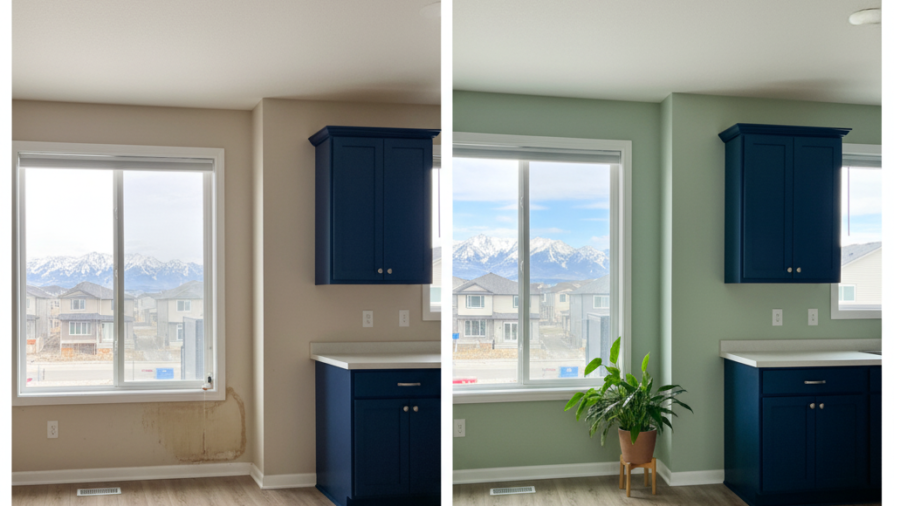
Changing the color of the walls is the quickest and most affordable method to give your house a whole new appearance. You’ll need to repaint the interior and exterior, and you might even consider switching up the colors for a whole different vibe.

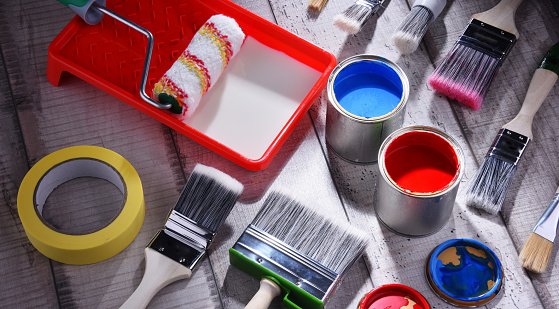
Paint can and paintbrushes of different size for home decorating purposes.

If your front door is now a boring beige, why not give it a jolt of summertime color by painting it with a splash of yellow or turquoise? You may also change the mood of your home by painting the walls a different hue. What about going for a daring hue like the always-popular navy blue?  Changing the look of a space is as easy as painting one wall a different color and paneling the other. If you want to set the perfect atmosphere in each area, you should give some thought to color psychology before picking out a paint hue.

Decorate the Furniture

It may be time-consuming and costly to shop for fresh new furniture. Painting your indoor and outdoor furniture is a terrific way to give it a fresh look and feel. A new color might be used, or you can just apply a new coat of the existing color.

Refurbish the Cupboards by Painting Them

From the kitchen, where we keep our food, to the bedroom, where we keep our clothing, most houses have cabinets everywhere. What this means is that if we take the time to go around and repaint all of our cabinets, you will instantly notice a tremendous change, and each space will seem like it has had a full makeover.

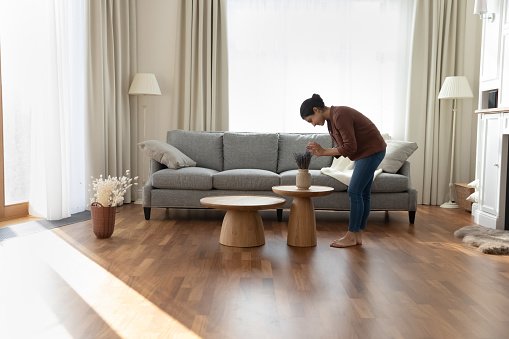
Full length of young Indian ethnicity housewife standing in modern spacious living room create cosiness at home, arranging flowers bunch in vase. Housework routine, interior designer workflow concept

It’s simple to maintain the ceiling of a residence looking new and tidy by giving it a new coat of paint every few years. Painting the ceiling white is a safe choice if you want to make a room appear larger and brighter, but if you want to experiment with color at home, consider painting the ceiling a vibrant colour.

Painting on the Outside

Many homeowners make the mistake of not painting the outside of their homes. Garden sheds, garage doors, and outside spaces like patios and barbeque pits should all be repainted for a new look.

If you’re painting an outside surface, use an outdoor paint specifically formulated to withstand the damaging impacts of the sun, rain, and cold. Choose a product like Allcoat Exterior from Rawlins Paint that can be used on a wide variety of surfaces, from wood and metal to concrete and plastic, and you won’t have to purchase as many individual paint cans. My wife and I just purchased a home by the lake, and I am always on the lookout for goods that would make upkeep easier.

Renovating your house is a terrific investment that will not only make you happier, but will also increase its worth. If you ever decide to sell your house, it will attract more purchasers if it is in good condition.

Use Paint to Change your Living Space with These Tips

Use Paint to Change your Living Space with These Tips

Change, as you may have known is the only constant thing.

Use Paint to Change your Living Space with These Tips

Every once in a while, we take stock of our immediate environment and consider how we may make some changes for the better.  We at Lucky Painting Limited believe you can use paint to change your living space with these tips.

One of the most fundamental traits of the human race is the need for the ongoing improvement of the environment within which we live. This desire has undoubtedly played a major role in our development. Don’t be too hard on yourself if you find yourself pondering how you could better your space the next time you find yourself wondering that. House painting is one of the simplest and most cost-effective methods to give your home a new look. Let’s check out how getting your house painted may be a major role in revitalizing your home’s atmosphere.

Our main scenery – The walls of your home do more than hold up the ceiling and provide a place to hang pictures. If you put your mind to it, these walls are just begging to be decorated with your own artwork. If your walls are currently uninspiring, it may be because you haven’t given any thought to the transformative potential of a fresh coat of paint. Simply look around you and think about the blank slate before you and the boundless opportunities it presents.

Living room interior with stylish furniture, focus on soft carpet

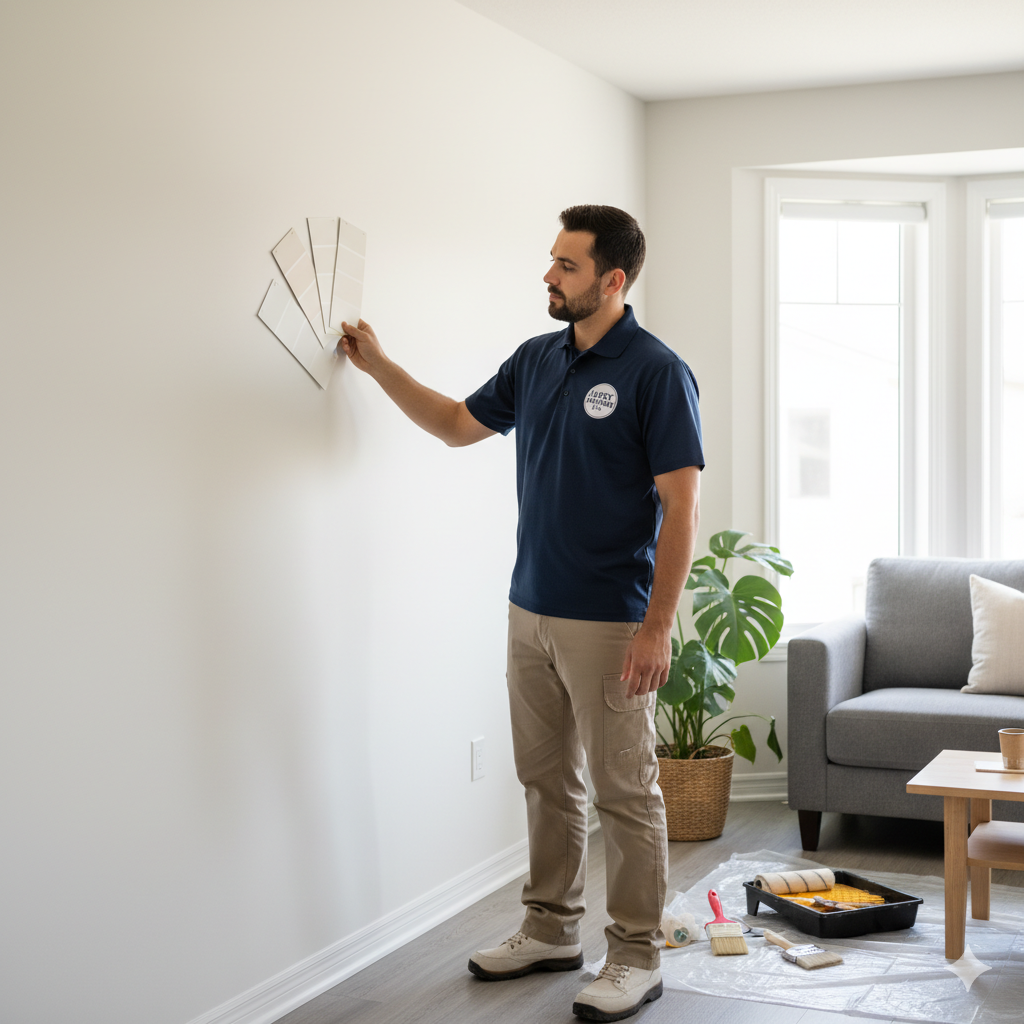
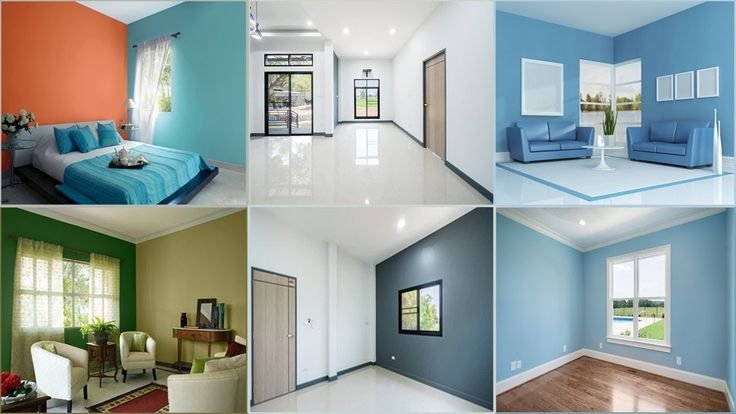
Colors: Most people’s initial thought is to contemplate painting the walls a different shade. When it comes to choosing paint colors for your home, the only limitation is your creativity. There is a lot to think about when setting out on this journey of personal preference, since the choices you make should be an expression of whom you are and who you share your home with. Whether you want to go all out or keep things subdued, try out a few different colors on a small piece of wall to see what you like most. The colors you put around yourself are arguably the most important design decision you can make.

Your house painting projects might include textures in addition to a new color scheme that will make a noticeable change in the way your space feels. This amazing innovation of textured paint completely transforms the appearance of the walls. What appears to be nothing more than a clean sheet of paper or a white wall at the outset will transform before your eyes into something breathtaking. Incorporating a variety of textures and patterns into your wall design may produce a stunning optical illusion.

Accents: Large walls offer a blank slate on which to experiment with a variety of colors and materials, but don’t forget about the smaller, cozier areas you enjoy spending time in. These are the places where you may go big or small to draw the attention you want. The right accessories might help you carve off a unique space inside the bigger walls of your house. Accents are a terrific method to complement your overall house painting efforts, and they may be made by the subtle and strategic use of color, pattern, or texture.

Modern Teen Room Interior With Study Desk, Bookshelf, Yellow Skateboard And Closet.

There’s a room for that! Most of us keep our houses organized in a pretty conventional fashion with designated spaces for lounging, sleeping, eating, and so on. The architect clearly thought carefully about the function of each space before designing them. When all the rooms have the same generic look, the impressive in-built features become invisible. For this reason, it’s useful to think of the many rooms in the house as individual components. When planning a home painting project, it’s important to choose finishes like paint color and wall texture with the room’s function in mind. In this way of thinking, the finished product of your house painting project will be that much more satisfying.

Painting your house is a simple and effective approach to completely change the feel of your home. You can always count on Lucky Painting Limited to be there for you and walk you through the procedures required to realize your ideal home. Give us a call now, and we’ll get started on your project straight away.

Different Types of Paints for Interior & Exterior Surfaces

Buildings are often painted in a variety of hues and styles. Applying paint to a building has three primary functions. First and foremost, it improves the structure’s aesthetic. In addition, it shields them from the destructive effects of water and sunshine, extending the life and durability of the building as a result. As a third benefit, it will provide a feeling of completeness as well as a sense of newness. Different types of paints for interior & exterior surfaces exist today from which you have an endless list to choose from.

Multinational corporations typically make and distribute the majority of the world’s paints. When it comes to naming their paint products, these companies stay away from utilizing technical terms. Instead, they make use of well-known brand names to draw in clients and increase the number of sales they make.

There are a variety of paints on the market. Both their technical parameters and brand names allow for classification. To someone who doesn’t know a lot about paints and how they work, this may be a little perplexing. For example, they may find it difficult to distinguish between oil paint and emulsion paint, oil paint and distemper paint, or silicon paint and rubber paint.

Customers thought velvet paint was a high-end item, according to our research. As a result, “Velvet” is a name used to describe “Apcolite Silk,” a form of shine. In an effort to capitalize on this lack of awareness and promote sales, well-known paint manufacturers are using this word.

The terms “paint sheen” and “paint finish” are often misunderstood by those looking to paint or renovate their homes. It’s impossible to determine whether you’re comparing apples to apples when comparing three or four different products from various firms. It’s possible that you’re contrasting an interior paint with an exterior paint, or a metal paint with a wood paint. Many people make mistakes because they don’t know enough about the many varieties of home paint. Knowing what goes into a paint can help you choose the correct kind of paint for your home or project.

Important components are used in the production of paints, and each one gives the paint a unique character. Let’s take a closer look at them. The following is a list of the fundamentals: The paint’s base is the most important component. Paint is made out of this substance.

Color Pigmentation 01.
Paint pigments are insoluble powders with very tiny particle sizes. They provide the paint color and opacity.
These fillers are used to enhance the paint’s physical attributes other than its color, including opacity or texture or simply to improve the ease of application. In addition to enhancing the paint’s durability, these additives also help to lower the paint’s expensive foundation.

02: Car or Binder
To keep the paint together, a vehicle is also known as the binder or resin. In addition, it holds the paint in place when it’s being applied to a surface. In addition, this element ensures that the paint will spread evenly.
Please check out Binder in Paint: Everything You Need to Know About

03. Thickener or Solvent
The fluidity of the paint is improved by the use of a solvent or thinner. It improves the paint’s spreading ability, which makes it more workable when applied to a surface. Thinner aids in the penetration of the paint into the porous surfaces, resulting in a more fluid and user-friendly paint.

 04. Additives
Adding tiny amounts of additives to paints used in construction and building is common practice. Paint’s characteristics are altered as a result. Paint qualities including color opacity, pigment dispersion, and stability are all improved with the use of these additives.
Most of the elements listed above are found in all paints, regardless of the kind. Only the proportion of each component varies.
Read this topic, Basic Components of Paint, to learn more about paint’s many components.
Now, let’s have a look at the technical parameters of the 20 distinct varieties of paints. Using this advice, you’ll be able to choose the best paint for each given surface.

Paints of Various Sorts

Whitewash or Limewash
Water may be added to the combination of slaked lime or powdered chalk to make whitewash, a low-cost paint that can be applied to any surface. Whitening walls and ceilings that can withstand lime and water is the most common usage.
Fevicol, a vehicle or binder, is used in the correct amount to impart color and stability to the wall.
Apply two coats of lime paint for a bright white wall. It’s best to apply three coats of lime paint on the wall if you want vibrant colors. When painting a wall, apply the first layer of lime paint (lime + water + Fevicol) and then apply two coats of lime paint including the color pigment and vehicle or binder.
DIY whitewashing requires caution when combining lime with water, especially if you’re doing it yourself. During the first 5 to 10 minutes of mixing these two components, heat is created. Chemical reactions generate slaked lime while also emitting heat, which may inflict burns on exposed skin.

Hues
Warm and cool hues are mixed in an abstract background.,3d rendering

Before You Paint, Know These Qualities or Characteristics of an Ideal Paint.

When you apply paint to your home, you give it a finished look, newness, and a breath of fresh air. It also improves its appearance. In order to create paint, numerous elements must be combined in the correct proportions. To preserve and embellish your home, paints are applied to all surfaces. Painting a home may be a time-consuming and costly endeavor. As a result, before painting, it’s essential to compare the paint’s properties to those of an ideal paint. Using poor-quality paint will lead to deterioration of the paint and a lack of performance. If you’re going to paint your house, you need to know what to look for in an excellent paint.

The cost of the paint is directly related to the spreadability or covering power of the paint. A good paint should be able to cover a large surface area with a little amount of product. Always check the manufacturer’s brochure for details on coverage. Paint should be thin and homogeneous when applied to the surface.
Paint should be able to endure weather conditions including rain, heat, and wind for an extended period of time. Over the course of its intended use, the color shouldn’t fade or alter. The consistency of the paint should be such that it can be applied with a brush or a spraying instrument with ease

  • THE KEY POINTS TO REMEMBER.
    It is important that the paint be adhered to the surface adequately. It should have a high level of adhesion to the surface it will be applied on.
    It should be visually appealing and appealing.
    The initial cost must be relatively low, and it must be cost-effective in the long term.
    After curing, the paint’s surface should be free of cracks. It’s important that it’s stretchable. It must be temperature-stable, for example. During the day and night, there is an average 20oC difference in temperature between the highest and lowest points. As a consequence, the wall, plaster, and so on might either grow or decrease in size.. This expansion/contraction of the paint coating must not cause it to fracture or break. Because of expansion and contraction, it must be flexible enough.
    It must be able to resist corrosion and protect the substance it is applied on.
    Paint should dry in a decent amount of time, but not too quickly.
    When dried, an ideal paint will have no brush markings, shrinkage marks, cracks, spots, or other indicators of wear and tear.

MORE KEY POINTS TO REMEMBER
Are you fed up with the paint peeling off your walls? See if you can’t fix it yourself!!!
It is essential that paint does not enable molds and algae to develop on the surface.
Before, during, and after the paint is applied, the features of an ideal paint should be evaluated. Your home’s value and attractiveness will be enhanced if you apply the right paint. So, keep reading to find out more about the many kinds of wall paints that are available.

You Can Have the Color Without the Smell of Paint. Here is How


Salt crystals in a wooden plate close-up on a white background. Top viewWhat is the best way to remove paint odor? When painting the inside of a home, the solvents in the paint evaporate, resulting in a clean, fresh scent. The scent will go away when the solvents have evaporated.

Your home’s first fragrance will be reduced if you choose nontoxic, quality paints that are low in volatile organic compounds (VOCs). There’s a distinct odor to oil-based enamels and paints, which is mostly attributable to the high concentration of volatile organic compounds and turpentine, which is employed as paint thinner.

After the painters have done their work, you’ll be surprised at how easy it is to get rid of the paint fumes in your rooms. Here are eight ways to get rid of the paint odor.

Get rid of paint odors with these 8 tips.

Beans of Coffee


If you are a coffee fan, this is the ideal occasion to bring the aroma of freshly roasted coffee beans into your home. To counteract the noxious odors of new paint, fill a dish halfway with rich, fresh coffee beans.

Charcoal


In certain respirators, charcoal is employed as an adsorbent to filter out hazardous gases and chemicals. Burn some barbecue charcoal and scatter it about the home to get rid of bad smells.

Onions

Yes, onions are known for their pungent odor, which makes them an excellent choice for masking the paint fumes in the home.

Sodium Bicarbonate

Charcoal is an excellent substitute if you can’t get your hands on some fresh charcoal. Pick up some baking soda at the supermarket and sprinkle it all over the home or over carpeted areas to help neutralize the paint odor. Then vacuum it up after a couple of hours.

Lemons and water


Some of the solvents remaining in the air may be removed by placing a few lemons cut into pieces in an empty basin of water, which will also assist to freshen up the air.

Let In Some Natural Light.

Ventilating the home is one of the simplest and most routine tasks that individuals carry out. Paint fumes may often be reduced by putting on some ceiling fans and letting the home air out, although this isn’t always the most effective method to do it.

Turn on a Luminary


To conceal the smell of paint fumes, you may use scented candles to create a pleasant aroma in the room. When dealing with oil-based paint vapors, this is a very useful strategy.

Vinegar


The natural neutralizer in regular household vinegar works wonders to remove paint fumes from surfaces all throughout the home. Place a small basin of vinegar on the floor and spray the painted areas with it.

Don’t Combine These Colors for Your New Home or Business Place

The decision to paint a room in a certain color is usually a thorny one. It may be enjoyable because you get to be creative, you have a plethora of options, and you can use it as a way to express your personality. However, the stress of needing to employ a painting business and the pressure of selecting the best one comes with this. The last thing anybody wants to do is regret their choice of color, which is both time-consuming and costly.

As a starting point, avoid the following when selecting the color for your painting project:

There’s no way this is it.

“This is not it” may be a completely acceptable reaction to a color if you’re not feeling it or if it doesn’t fit the feelings and mood of a certain location. In other words, this is a good hint that you should avoid using this color.

As the saying goes, “sometimes, little is more.”

It will seem cluttered and untidy if you choose every color in the rainbow, which is not what you want. While 3-4 colors is often plenty for most purposes, if you opt to use more than that you may be going overboard.

Refusal to Use Colors That Go Together

You want a space with painted walls to seem cohesive and united. To achieve this effect, the colors must be complementary to one another in order to create a bouncing effect. It will seem distant and unfinished if you choose colors that conflict. Whether you can’t determine if the colors work together or not, seek the counsel of an expert or ask for help from friends and family.

Choosing Colors That Stand Out

It’s great to have a bold-colored wall, but only if it’s not the only color in the room. The area will come alive with a blast of bright color, and it may even serve to balance out the other hues.

Remember to Take Advantage of the Sunlight.

It’s not uncommon for individuals to overlook the importance of natural light. To be sure, you must take into account what natural light may do to colors. Choosing colors that don’t wash away in direct sunshine is important if you live in an area that gets a lot of sunlight. You don’t want a drab color since the space will be gloomy all the time if sunshine is scarce.

Choosing Colors That Complement Your Furniture.

Matching your walls to your furniture may seem like a smart idea since the two will look excellent together, but this is a mistake that will make your space seem bland. Furniture and the color of the walls should be distinct in a space, and if they’re all the same shade, the area will seem cluttered.

Let the Experts Do Their Job

Lucky Painting Limited in Calgary can help you choose the best painter for the job. Call us today to learn more about how we can assist you.

The Color You Choose Can Influence Your Room Lightening

It’s not just about picking the colors you like most when it comes to picking paint colors for your interiors. Make sure the space looks excellent and generates the atmosphere you want by following a few of our simple rules.

Your choice of color schemes may have a direct influence on how much natural or artificial light is reflected throughout your home! A room’s apparent brightness may be greatly affected by the color of its paint.

The lighting in your home may be impacted by a variety of factors, so take this in mind when selecting interior paint colors.

 LRV (Light Reflectance Value)

How paint colors reflect light when illuminated by a light source is determined by their “light reflectance value.” It is possible to choose paint colors that reflect light for your house based on this information. However, there are certain colors that reflect light more than others. The scale ranges from 0% (which indicates a very low reflectance) to 100% (the maximum reflectivity possible) (very high reflectance).

You’ll frequently see the term “LRV” listed on the bucket of paint you’re about to purchase. You should verify the bucket’s LRV to see whether the color is appropriate before you buy it.

Colors change depending on the prevailing light conditions.

Colors and Sunshine

When it comes to color, you need to realize that it doesn’t stay the same for 24 hours in a row. As the light changes throughout the day, the appearance will shift accordingly.

So, while choosing a paint color for your home, keep the natural light and the source of that light in mind. The reason for this is because the color of your space is always changing depending on the angle and intensity of the sunshine.

So, how do you choose the best color for your home’s many rooms?

When it comes to picking a color, this is the easiest area to work in. From sunrise to sunset, a south-facing room will be bathed in pleasant light.

In a room with a southern exposure, the colors seem lighter. So, if you want to make your home seem brighter and more spacious, you could paint your walls a light color.

Room with a north-facing window

The light in a room with a north exposure is cool and blue. As a result, a space with a brighter color scheme seems to have more vitality.

Avoid anything with a green or grey basis. The proper quantity of light can be reflected throughout the room by using bright colors like yellow, white, and off-white.

Because of this, rooms with a north-facing orientation benefit from the use of darker, richer colors.

Room with a view of the west

West-facing lights have a unique quality. In the morning, a room with a western exposure is more tranquil, while in the afternoon, it is more light-filled.

Middleton pink, for example, is a wonderful choice for maximizing afternoon light. However, a color like a shoe satin will seem refreshing in the morning.

The east is the best direction for this space.

 Paint colors for east-facing rooms

Before midday, an east-facing room is still warm and bright. Colors like red, orange, and yellow work nicely in rooms with an east exposure. If you’re going out in the evening, calming blues and greens will help you relax and unwind.

The way a space looks and feels may be greatly influenced by the position of the sun (or not shining). Before deciding on a paint, it is necessary to try it out in a variety of environments.

Which areas might benefit from more light?

Brightening up the bedrooms with natural light

For example, how much natural and artificial light the space already receives, as well as its purpose, all have a role.

A stark white or even a brilliant yellow is often used as a high LRV paint color in bathrooms, for example. A smaller degree of similarity exists in bedrooms. Lighting in dining and living rooms tends to be dimmer than in other areas.

If you’re looking for the greatest solution for your home, a professional painting and decorating company’s residential painters can provide you sound advice since what works best varies from instance to case.

Color and Lighting 

Light reflected from an interior paint color may have a dramatic effect, as previously described. However, these colors may also be affected by artificial illumination. Several types of artificial lighting are more suited to certain colors.

LED illumination, for example, is often harsh and may muffle warm colors, for example. The living room is thus not the best place to use it, but a kitchen or a bathroom would be.

Yellow light from halogen and incandescent bulbs has a warmer hue, making the color of the wall seem warmer.

When it comes to cold colors, though, they tend to generate a dull blue light. It’s possible that it won’t work in every room. It may be necessary to change the color of the paint of a room if it is lighted by a certain kind of light.

The best ways to make the most of light and the color of your paint

It’s usually a good idea to paint a small portion of the room before painting the rest of the house. This will give you a sense of how the light changes throughout the day.

You’ll notice that some of the walls in your room will get more natural light than others. One shade lighter or one shade darker paint colors may be used on this wall.

If it is done this way, it will be able to blend in with the other walls. However, get the opinion of a professional before doing such an experiment.

The other items in the space will have a significant impact on how the lights reflect. All of your home’s furnishings and décor have a significant effect in how light is reflected. So, it’s best to think about what you’re purchasing before you purchase it.

It’s possible to brighten a room by combining elements from the artificial and the natural worlds. The colors will pop if you do this every now and again during daylight hours.

When it comes to interior paint colors, Lucky Painting Limited  has your back!

Putting the final touches on the project

Choosing the perfect paint colors to reflect light and brightness in your house involves numerous considerations.

Your house painting contractor should be able to work with your needs and the existing features of your property in order to get the desired results. A fundamental understanding of how light impacts the atmosphere of a room and how to choose colors to match the size and shape of the room is helpful for every homeowner. In Calgary and the surrounding suburbs, Lucky Painting Company may be just what your home painting needs. Get in contact with them right away if you’d want their assistance in selecting and applying the perfect color palettes for your home’s interior and exterior walls!

Do You Have a Small Office Space? Here’s How to Choose the Right Paint Color


Your workplace should be a place where you can do your job in peace and comfort while also increasing the effectiveness of your workday. Changes that might create a bigger space may be considered if the available space is less than your expectations.

Changing the furniture and rearranging the setup may help to improve the flow, but painting the walls a new color is a simple and effective solution.

We suggest dealing with a professional painting firm with expertise if you’re having trouble deciding on the perfect paint color because of the complexities of color schemes. For the time being, consider these ideas to help you get started.

What Colors Work Best in a Small Space?

Changing the color of the walls in a tiny workplace might make it seem more spacious.


White

White is the color of choice for many businesses and people. This may be an issue for some viewers since it reduces the cast to mere props and leaves the audience feeling uninspired.

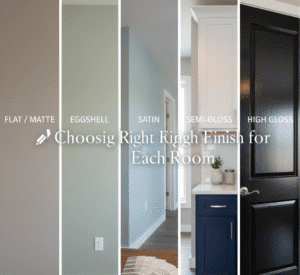
If you want to give the impression that the space is bigger, try painting the walls a satin or eggshell finish.


Taupe

This hue is similar to white in that it is light and neutral, but it also gives a little of warmth to the environment. This hue is best suited for spaces with little structural elements, due to its neutral tone.


Shades of Pink

With a hint of blush, this hue of pink is a favorite among women. In the late afternoon and evening, using this hue in the painting process helps to create a positive mood and an inviting atmosphere.

This color pairs nicely with white or beige tones and is best used in settings with plenty of windows and light. It also looks well with wood and sophisticated metals, whether the décor is for a man or a woman.


Grays

Another option for the white is a shade of cool grey. This color is bright and cheery without being overpoweringly so, as white can be.

In contrast to warm hues, gray paint imparts a calmer atmosphere by encouraging light to bounce off the walls.

Some Other Choices

Depending on your own taste, a deeper red accent wall can be a good idea. With the addition of color, the room seems more expansive and allows for a wider range of decorating options.

Another fantastic option for softening the appearance and making the area seem larger is pastels.

Make Use of Lucky Painting Company in Calgary and their wealth of experience. There is no doubt that altering the color of the paint in a space can make a world of difference. Insisting on the services of a business interior painting specialist might alleviate some of the stress you’re feeling. In business for more than three decades, Lucky Commercial Painters has focused on everything from industrial paint coatings to pressure washing.

You may reach us by phone or by completing the form on this page to get a free estimate.

Is It Time To Change Your Painting? Here’s How To Know


Maintenance is both a gift and a burden for homeowners. I hate doing housework because… I don’t think anybody actually enjoys it. Maintenance is a godsend since it can save you a lot of time and money if done correctly.

When it comes to maintaining your home, painting is a must. You needn’t be concerned if you’ve previously searched “how frequently should you repaint” and received a slew of conflicting results. We have you covered. The facts are laid bare by our paint experts.

It’s not only a cheap method to modify the look of a place. Painting your home’s interior on a regular basis may extend the life of your walls and make them seem nicer.

Kids, dogs, humidity, light or temperature changes, and cigarette smoke are just some of the things that may cause havoc in a home. Depending on their use or the climate, some areas are more likely to need regular upkeep than others (hello, humid bathrooms).

Between five and seven years, most interior paint projects are expected to survive on the market. Even if you’re kid- and pet-free, you may be able to boost that up to 10 years if your kids, furry or otherwise, are older.

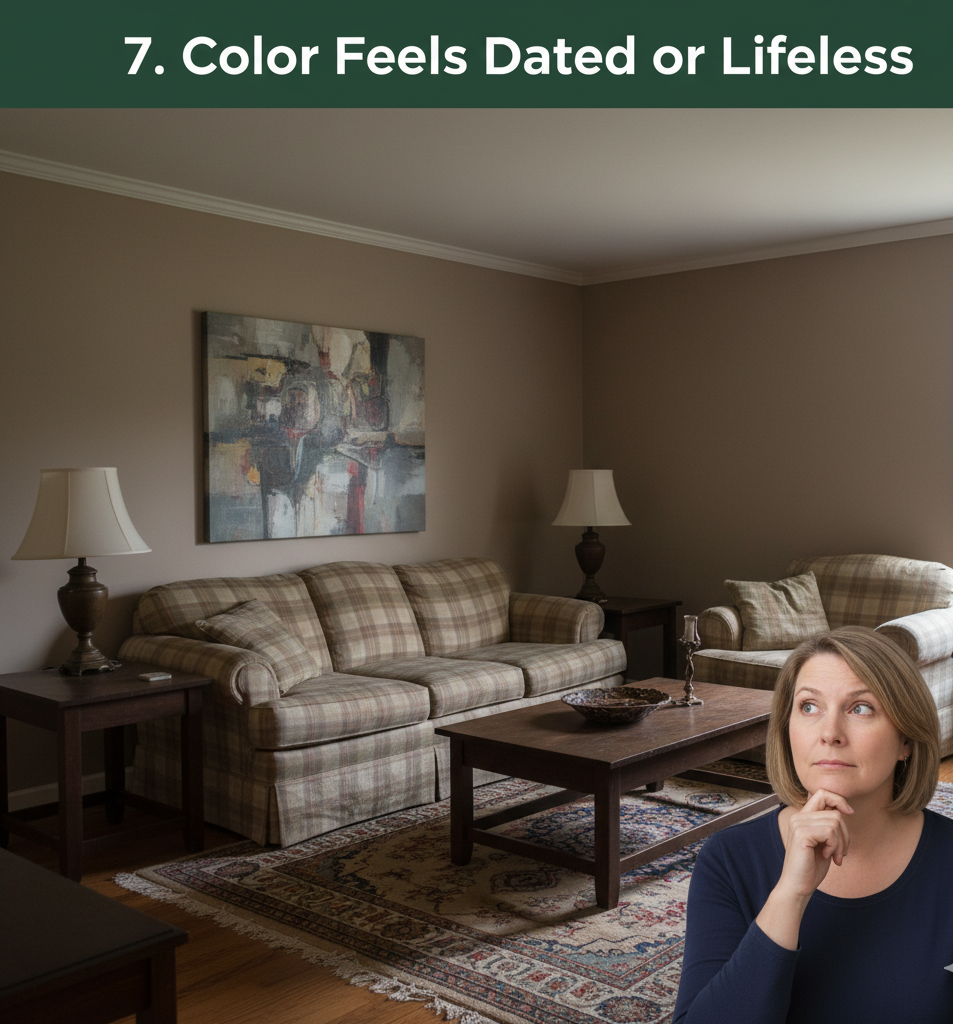
You may need to repaint more often if it’s time for a redesign, you have an area that receives more wear and tear, or you live in a location where the temperature or humidity changes frequently.

We suggest re-painting these rooms every five to seven years since they aren’t exposed to as much wear and tear as other areas of the house.

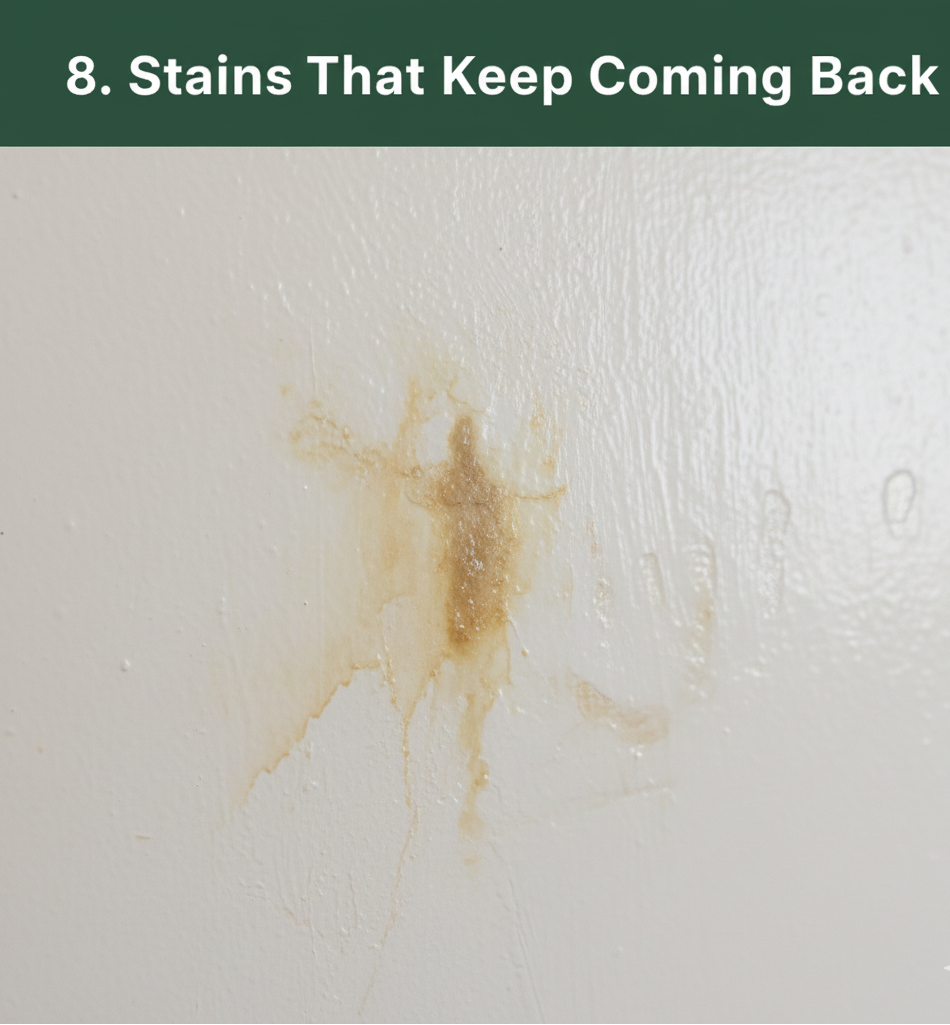
Your ceiling if you or someone in your household smokes, since this might cause yellowing over time.


How often should you paint the exterior?

To put it mildly, repainting the outside of your house is both time-consuming and costly. Your first line of protection against the weather and a key component of your home’s curb appeal is paint. The frequency with which you repaint your outside is just as critical as the frequency with which you renew your inside.

There are a lot of things that may go wrong with the paint on your house’s exterior. Weather, sunshine, and precipitation and snowmelt all contribute to its deterioration.

How frequently should you re-paint your home’s exterior? You should repaint it every five to ten years, depending on how well it was painted and how long it has been since it was last done. When it comes to how frequently to paint various materials, there are specific recommendations for each kind of surface.

Aluminum siding should be repainted every five years. Every five to six years, you should re-paint your stucco. Every three to seven years, re-paint wood.

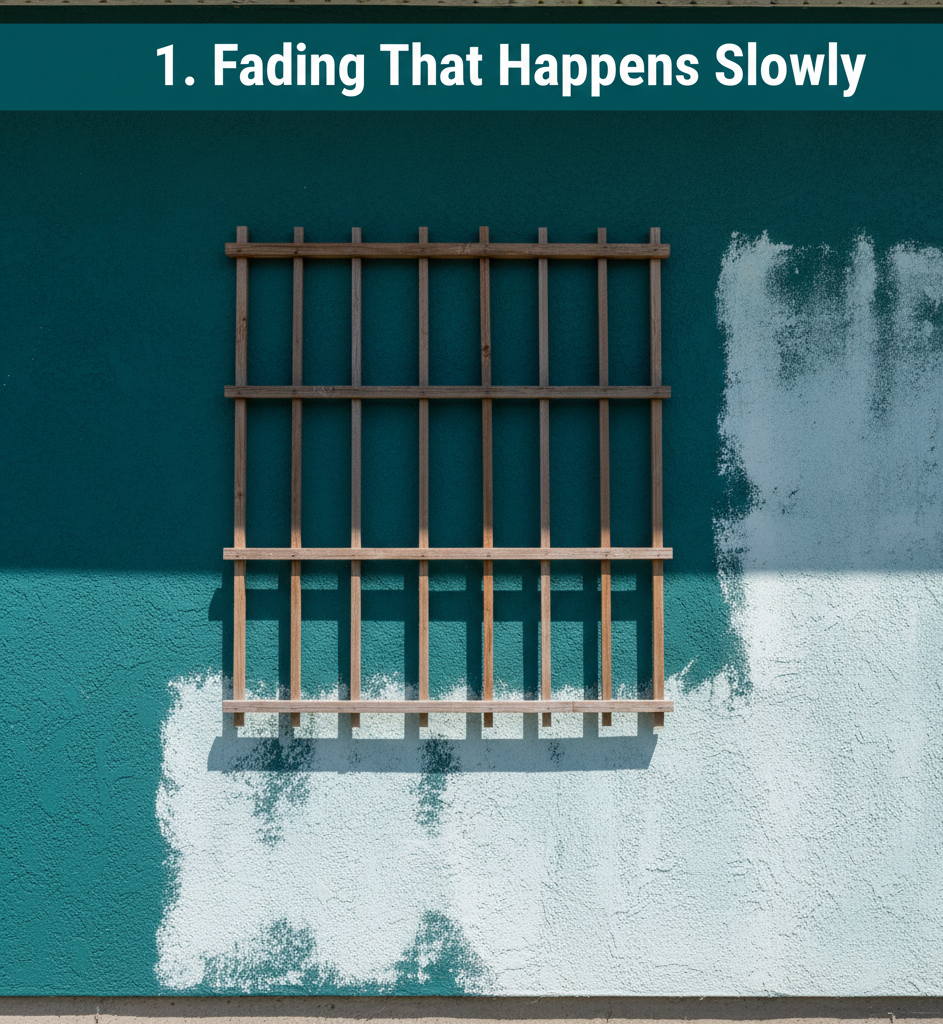
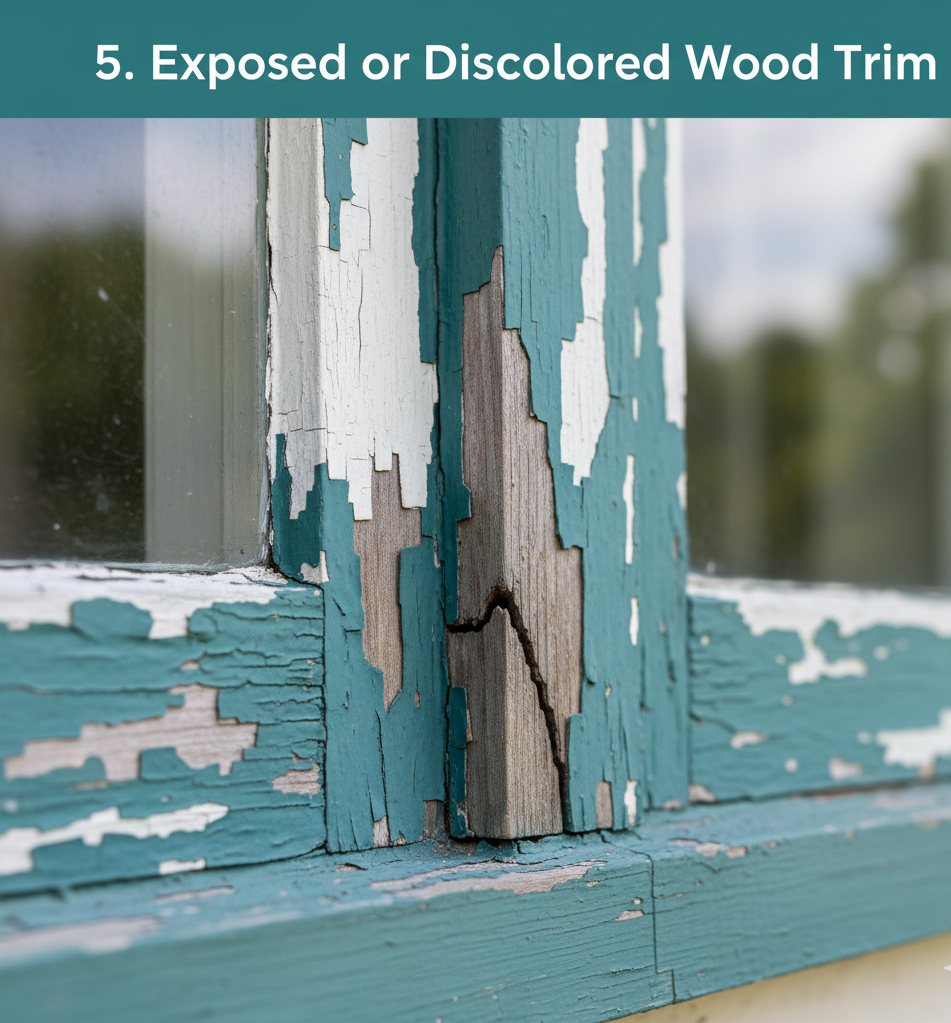
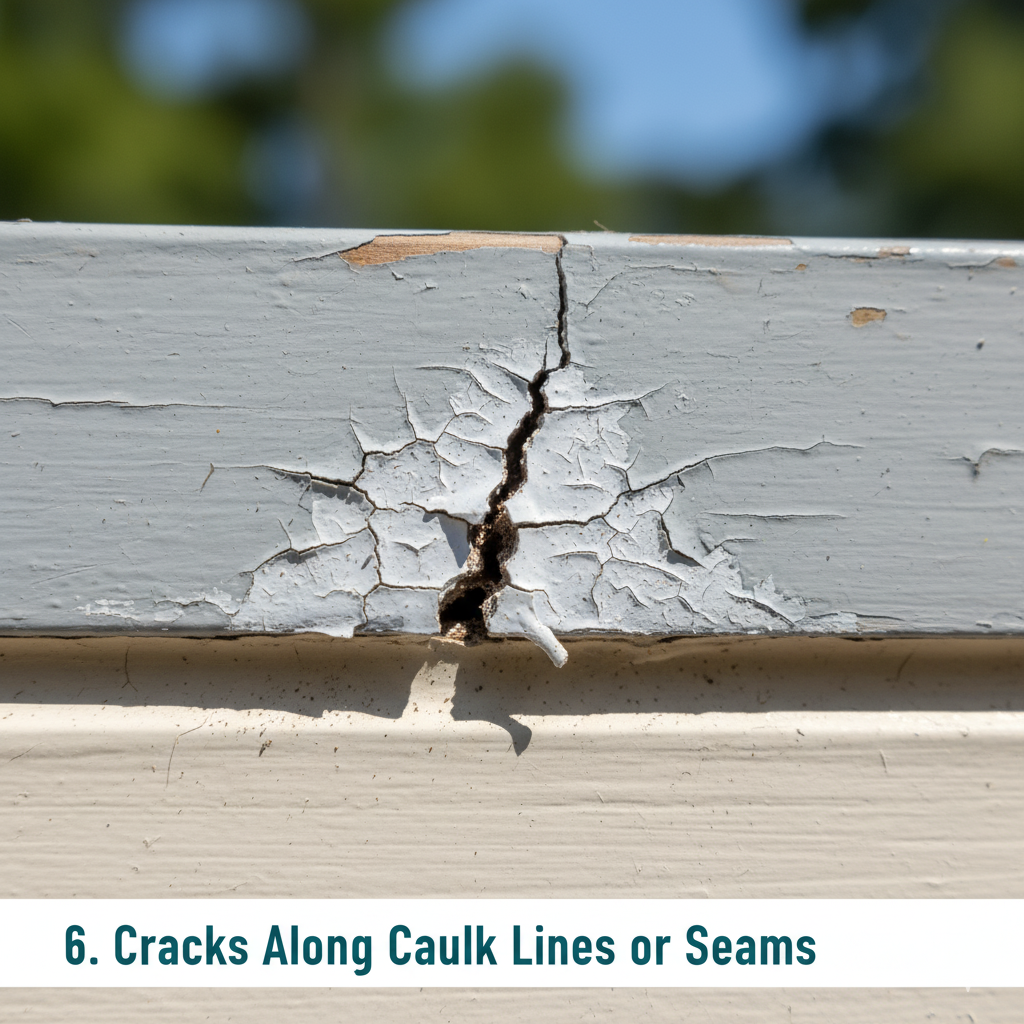
Re-painting is necessary if you notice wear and tear, broken caulk, or fading paint, or if you plan to sell your home soon. Do you still have concerns regarding the frequency of painting? Repainting your home doesn’t have to be a hassle or a mystery if you employ our painting services. At Lucky Painting Limited, we get the job done seamlessly at budget friendly rates. We offer free estimates and state-of-the-art painting service. Call Us Now.


Here is Why Your Wall Painting is Peeling Off; See How to Stop it

Do you want to know how to preserve your paint in pristine condition? Learn why your paint is peeling by checking out the list below.

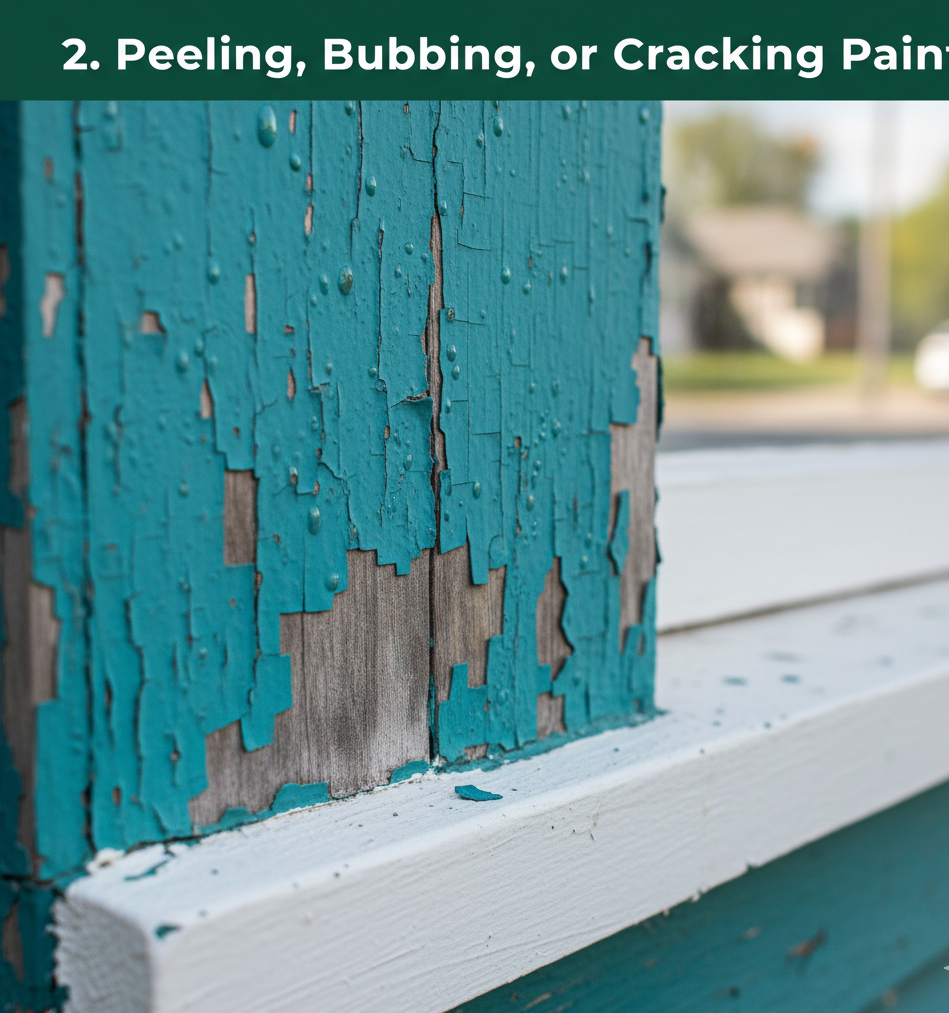
The first thing that most people notice about a room is that the paint is peeling. As a result, toilets are undesirable to use; living rooms seem outdated; and, on the outside, any prospective house becomes an unwanted jumble.

A Potential Threat to One’s Health

In addition to being a visual nuisance, flaking paint poses a substantial health danger due to lead exposure. Many Canadian homes were painted with lead-based paint in the early 1970s. When the lead’s protective covering is destroyed or disrupted, your family will be exposed to the toxic metal on a regular basis. Contact a professional if you suspect this is the situation in your home. The removal of lead-based paint must be done with the utmost care and should only be done by reputable lead-based paint removal companies.

When it comes to paint flaking, moisture is the number one cause. This popping and cracking that you see in bathrooms is caused by water penetrating into the wood and causing paint to detach from the wood’s surface. Cleaning out the gutters might be indicated by peeling paint. Windows and doors that allow water to enter the home should be checked for leaks.

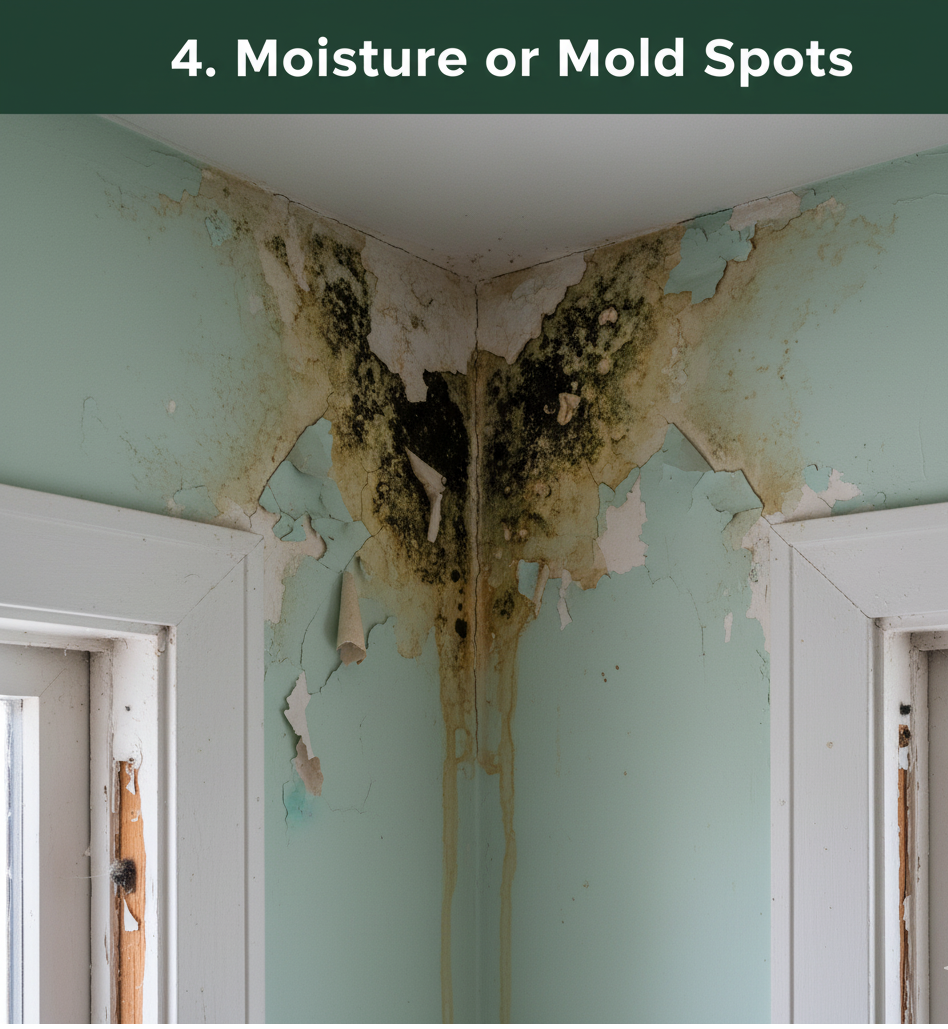
Poor ventilation is almost often the result of standing water on the floor or walls. Mold and mildew can’t be painted over since they’re caused by mold and mildew, which can’t be painted over either.

Surfaces that have been soiled or poorly prepared

Any dirt or other extraneous substance on the surface of the paint will prevent it from adhering properly to mould and mildew. The paint will continue to fall as a result of factors such as mould growing through the surface. The removal of lead paint is exceedingly risky for you and your family.

When it comes to protecting your paint, you need to make sure that your surfaces aren’t damaged by water and that your room is well-ventilated.

Wipe clean the surface and prime it before adding a new layer of paint to keep the old one looking new.

It’s  four-step process:

Because of this, it’s important to understand how temperature and humidity effect your paint. While painting at greater temperatures may appear preferable, the paint may dry too quickly, resulting in weaker bonding. It is also possible that the peeling process is triggered by the sun and dry weather, which weakens bonds over time and inhibits them from forming appropriately.

Using too many or too few layers of paint might result in an unsatisfactory finish. Heavy coats of paint on your ceiling will cause the coating to break and collapse, which might lead to an unpleasant surprise on the floor of your family room. Even the brush may play a role, since uneven application of paint can weaken the interaction between the paint and the surface.

Using the Wrong Paint Types

Paints aren’t all created equal! That’s why it’s critical to distinguish between the two and avoid doing so. Always use the same paint base while painting with oil-based paints and vice versa. Oil-based paints are the more long-lasting option, making them ideal for high-traffic surfaces like doors. Latex paints are easier to deal with since they have a lower odor and dry faster. In terms of cleaning, they’re ideal for walls, but they’re not as long-lasting.

In addition, poor-quality paints may not dry or adhere properly, posing a problem. Even if it costs a little more, go for one that has a lot of pigment, resin, and minimal solvents since it will save you money in the long run. As previously noted, you must exercise caution while painting using the improper paint. It’s important to remember that various paints and primers are needed depending on the kind of surface you’re painting.

Paint peeling is a process that takes time. Repainting is a necessary if you want to keep your surfaces in good condition. For wood, re-painting is required once every three to seven years; for other surfaces, the interval varies greatly.

Rust will destroy paint, even if it’s kept in a sealed container like a tin. Make sure there are no strange odors or aromas before you begin your work.

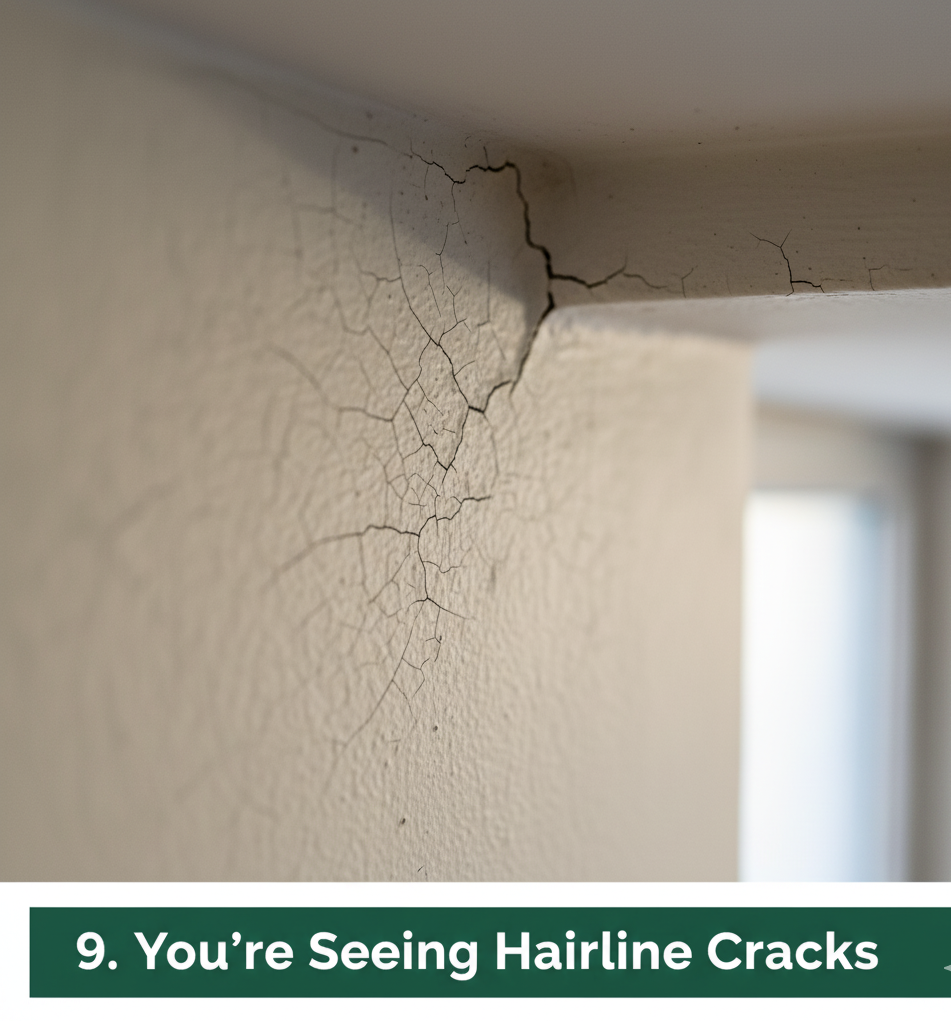
Ultimately, no paint job is everlasting. With any hope, these pointers will help you get the most out of your coat. Once per year, you’ll need to inspect your house for indications of wear and tear. Cracking or bubbling is a common symptom before the peeling really begins. Check for water damage and make sure your house doesn’t contain lead-based paint by contacting a lead-based paint removalist now.

Lucky Painting Limited  offers free quotes. Call Us Now to get an estimate.