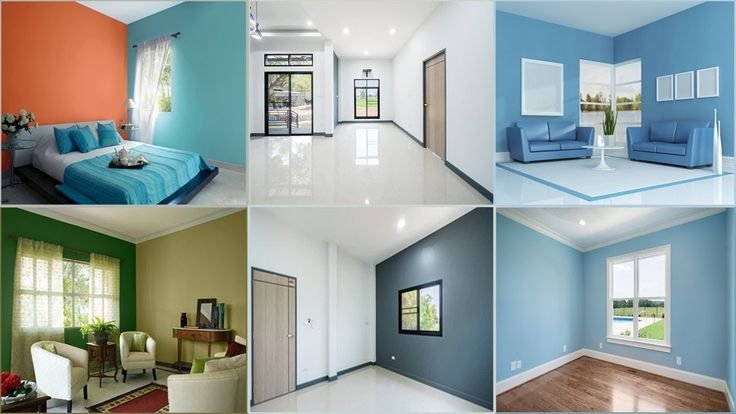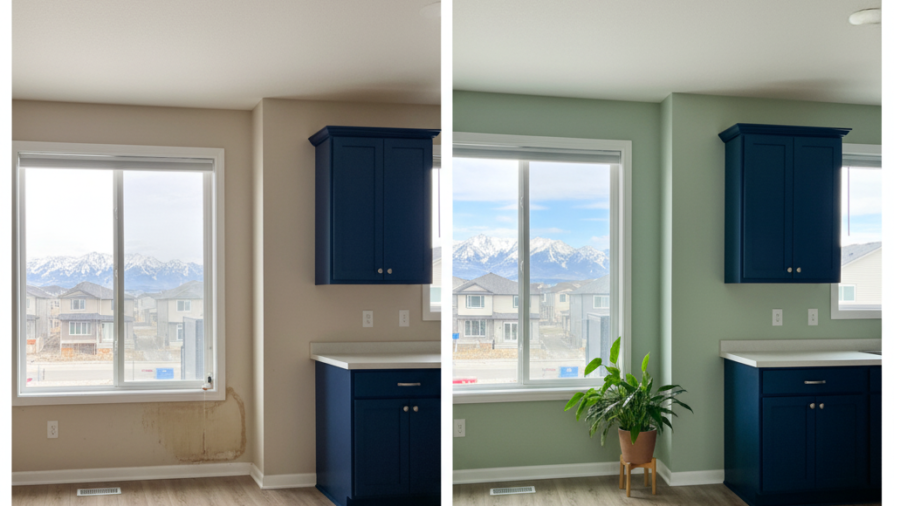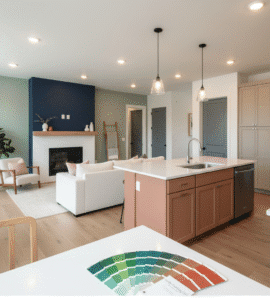
4

Common Signs It’s Time to Repaint (Before Damage Appears)

You probably notice when your paint starts to peel or chip, but by then, the surface underneath has already taken some damage.
Most homeowners in Airdrie, Chestermere, Cochrane, Inglewood, Bridgeland, and New Brunswick wait until paint looks bad before calling professionals—but the truth is, paint can quietly wear out long before it starts falling apart.

At Lucky Painting Ltd, we’ve repainted hundreds of homes across Alberta and beyond, and we’ve seen one pattern over and over:
✨ If you repaint a little sooner, you prevent much bigger problems later.

This guide will help you spot early signs that it’s time to repaint—not just for looks, but to protect your home.


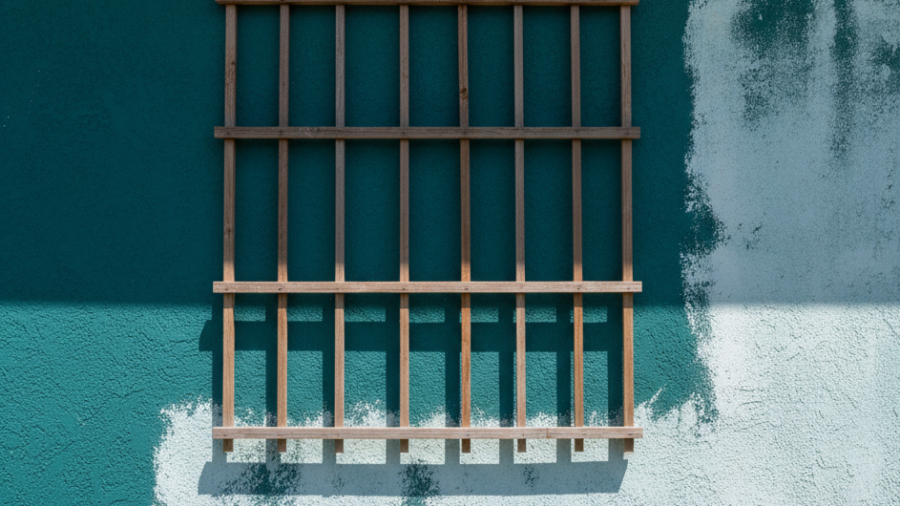
🧱 1. Fading That Happens Slowly

Imagine looking at an old photo. The colors are still there, but they look duller than before. That’s what fading paint does to your home.
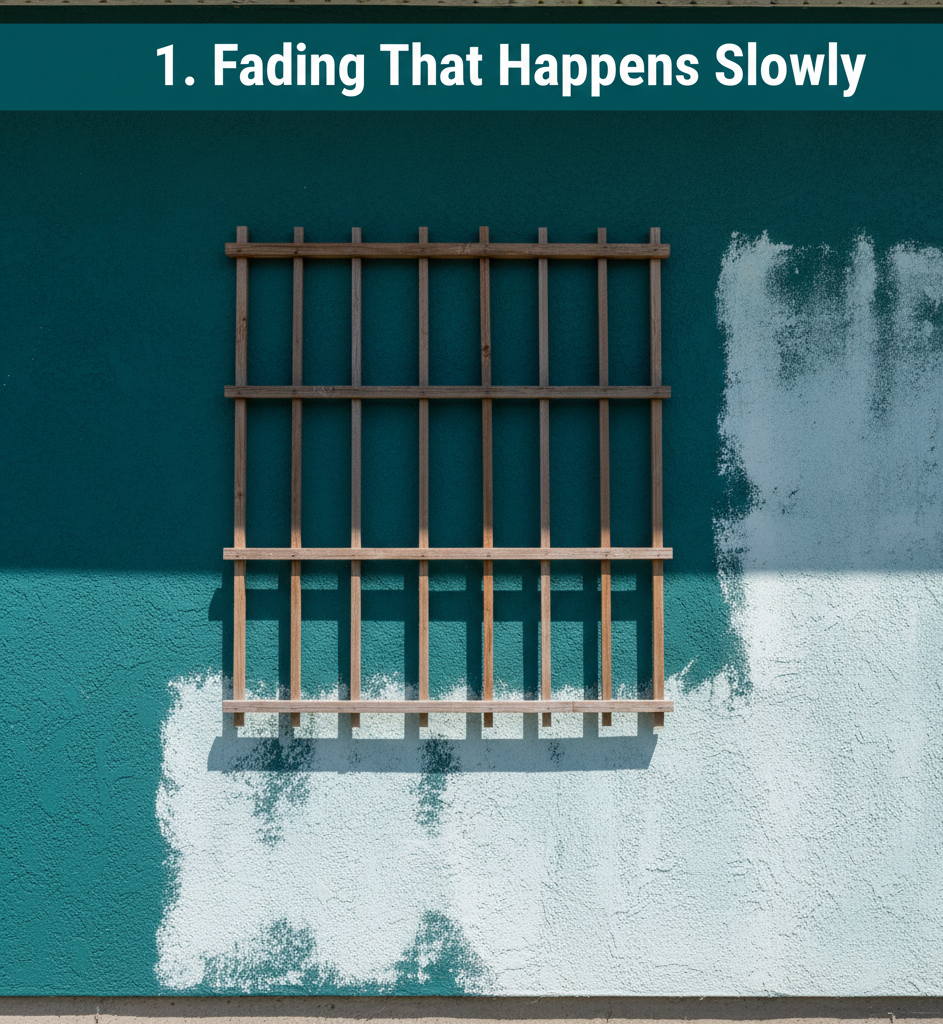
In places like Airdrie and Cochrane, where sunlight is strong and steady, UV rays slowly break down paint pigments.
Exteriors facing south or west get hit hardest. Inside, bright rooms with large windows fade faster too.

What to look for:

  • Exterior walls that seem lighter on one side

  • Interior walls that no longer match the color behind furniture or artwork

  • Trim or shutters that have lost their richness or contrast

Why it matters:
Fading isn’t just cosmetic. When paint starts to lose color, it’s also losing its protective coating. That means more moisture and temperature changes reach the material beneath.

If you notice uneven or dull patches, it’s time to schedule a repaint before your paint layer becomes too thin to protect your home.


🌧️ 2. Peeling, Bubbling, or Cracking Paint

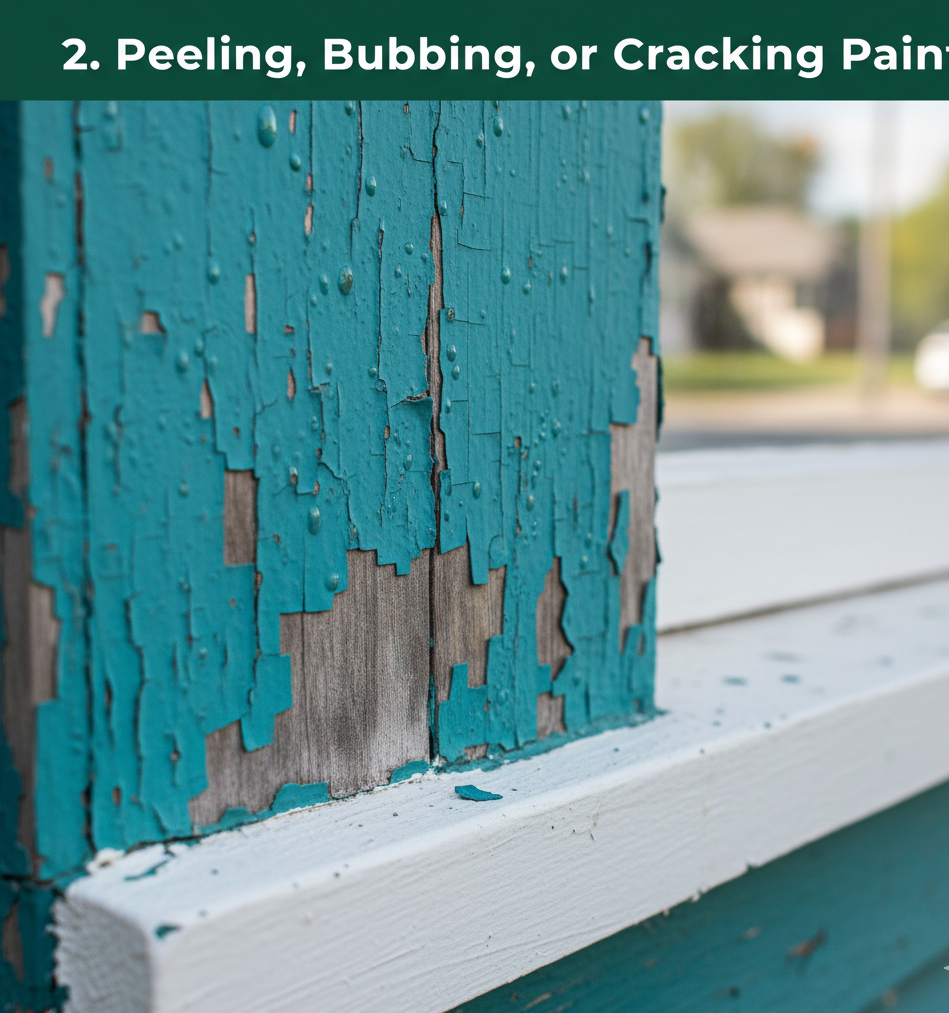
This is the sign everyone notices—but by the time paint peels, the damage underneath has already started.

In Chestermere, homes near the lake experience higher humidity, which can cause paint to bubble and separate from the wall. In New Brunswick, the mix of salty air and seasonal moisture speeds up the same process.
What to look for:

  • Small bubbles or blisters on your walls or siding

  • Peeling edges near window frames, doors, or baseboards

  • Cracks that form a web-like pattern on older paint

Why it matters:
Peeling and bubbling mean water or air has found its way behind your paint. Once that happens, wood begins to swell, drywall softens, and stains can appear. A new coat of paint alone won’t fix the problem—it needs proper surface prep first.

At Lucky Painting Ltd, we always remove peeling paint completely, sand, prime, and then repaint. That’s how we make sure the next coat bonds properly and lasts for years.


☀️ 3. Rough or Chalky Surfaces

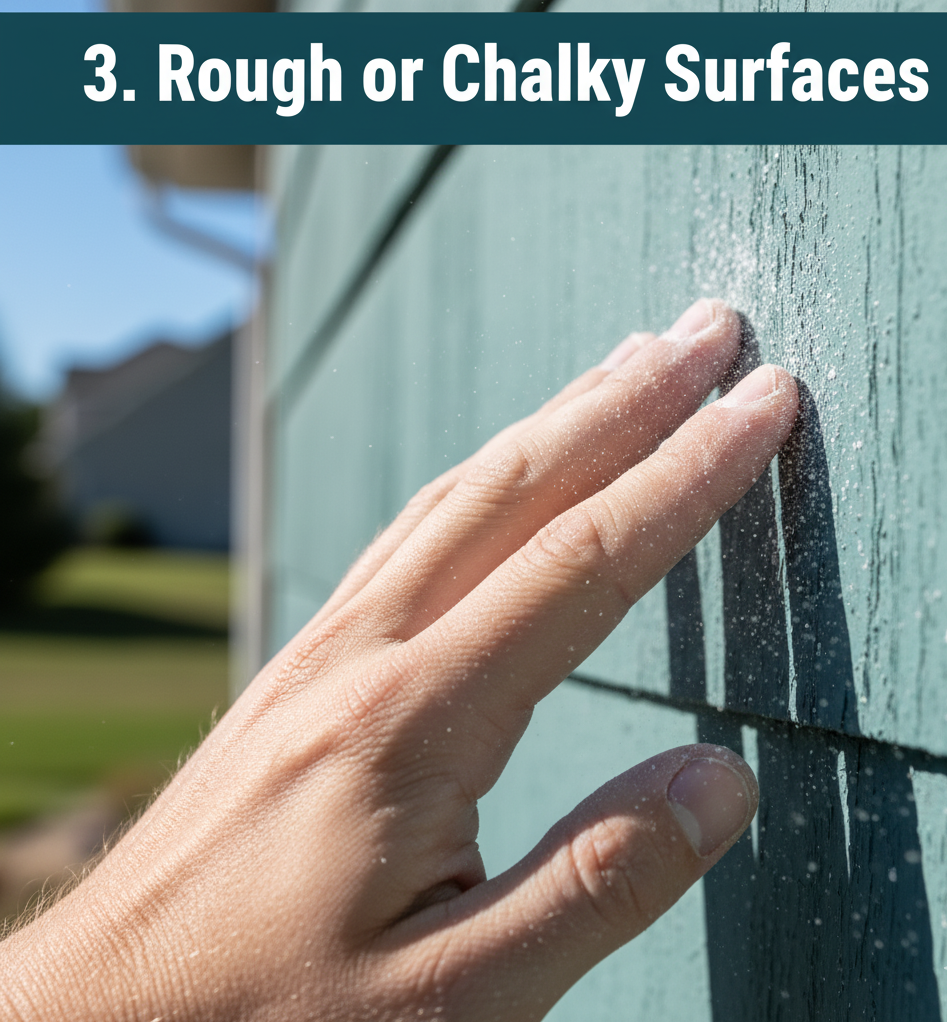
Run your hand along your painted wall. Does it feel dusty or leave a chalk-like residue? That’s a classic early warning sign.

In Airdrie and Cochrane, the combination of dry air and sunlight causes paint binders to break down. On exteriors, this shows up as powdery dust on your hand. Indoors, it looks like your wall is always “dirty,” no matter how often you wipe it.
What to look for:

  • A fine, dusty film on exterior walls

  • Paint that feels dry or powdery instead of smooth

  • White residue on your hand after touching the surface

Why it matters:
That chalky layer means your paint’s protective surface is breaking down. Once it reaches that stage, it can’t properly block moisture or reflect light, leading to early fading and cracking.

A fresh coat of paint restores the barrier and gives your home a crisp, clean finish again.


💧 4. Moisture or Mold Spots

Paint’s biggest enemy is moisture. Once water finds a weak spot—a small crack, peeling edge, or unsealed corner—it spreads quickly.
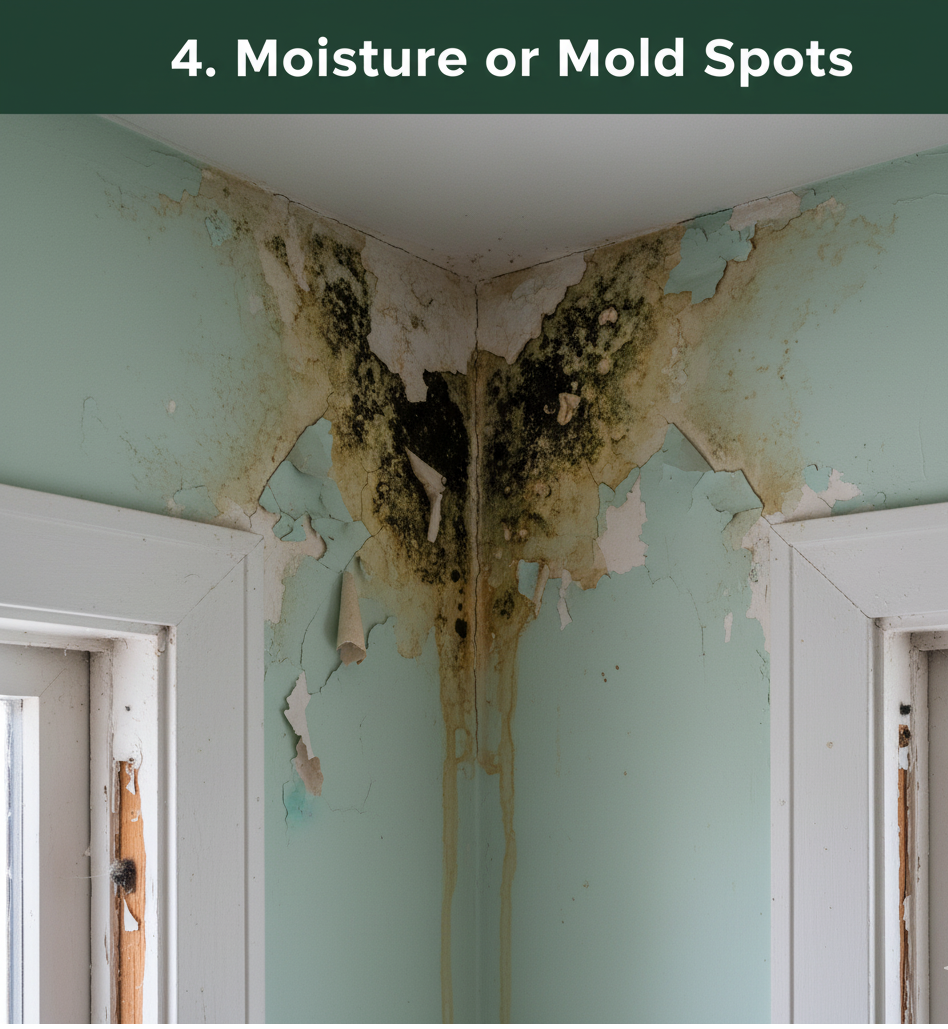
Homes in Chestermere and New Brunswick are especially vulnerable because of lake humidity and coastal air. Even in drier areas like Airdrie or Cochrane, snowmelt and rain can seep into exterior walls if the paint has thinned.

What to look for:

  • Small black or greenish spots near window sills or ceilings

  • Peeling around bathroom walls or basement corners

  • Discoloration that looks darker after rain

Why it matters:
Moisture can lead to mold growth and structural damage if ignored. Repainting is more than cosmetic here—it’s part of waterproofing your home.

At Lucky Painting Ltd, we always check for moisture sources before painting, clean and seal the surface, and apply weather-resistant coatings suited for local conditions.


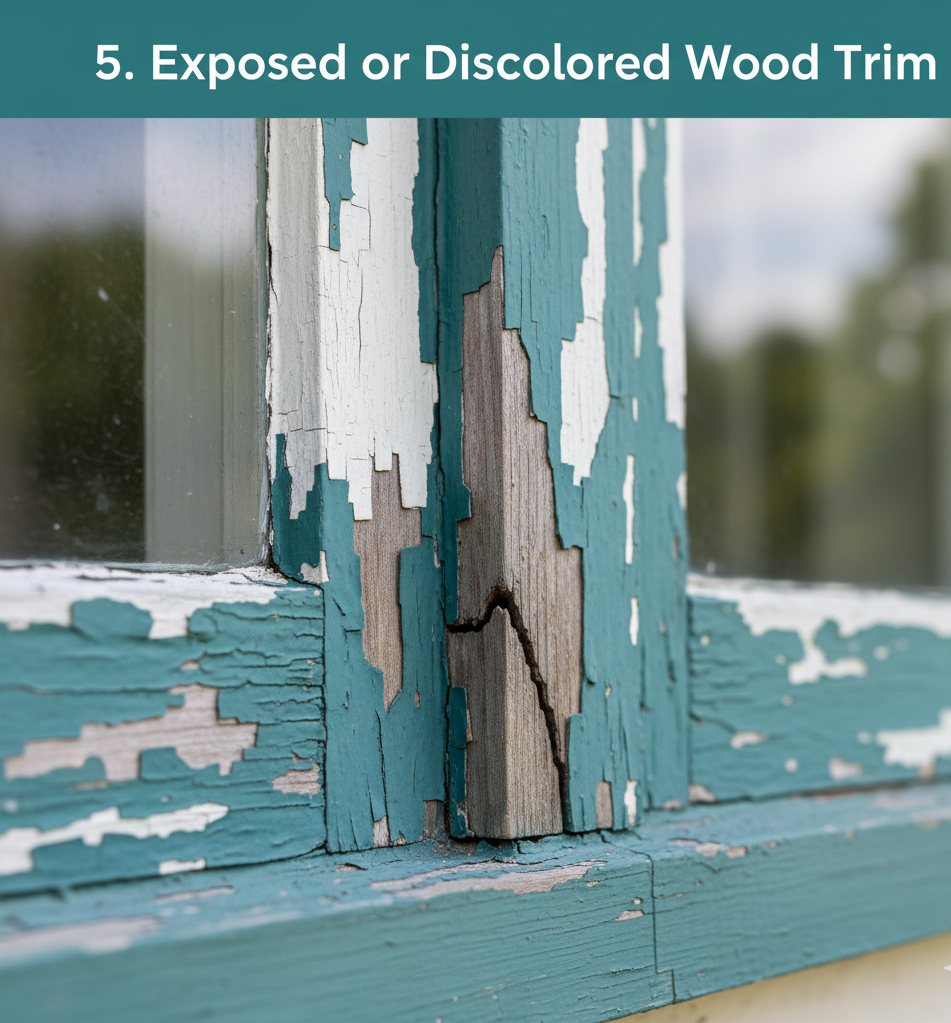
🪵 5. Exposed or Discolored Wood Trim

If you see wood trim starting to gray or change color, that means it’s no longer protected.

In Bridgeland and Inglewood, many homes feature original wood elements that add character — but wood is porous, and once its paint or stain wears off, it begins to absorb moisture and warp.

What to look for:

  • Wood that looks dry, gray, or patchy

  • Cracks along trim or windowsills

  • Paint that’s peeling at edges or corners
 

Why it matters:
Once moisture seeps into wood, repairs become expensive fast. Repainting or restaining before that happens saves time and money—and keeps those beautiful architectural details intact.


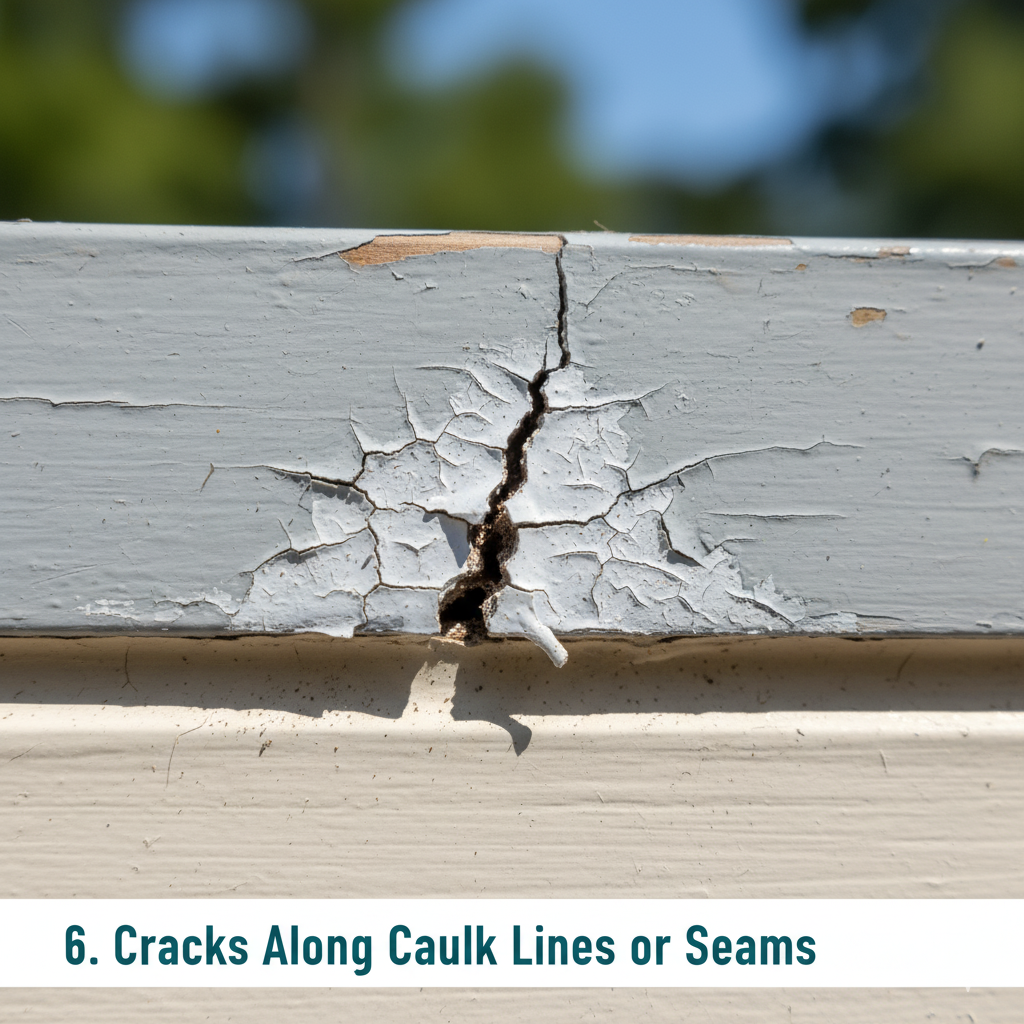
🕳️ 6. Cracks Along Caulk Lines or Seams

You might not think much about caulking, but it’s one of the first things that fails when paint ages.

In areas like Airdrie and Cochrane, where temperatures swing between freezing and warm in a single day, materials expand and contract constantly. That movement makes caulk crack and separate from the wall.

What to look for:

  • Gaps along windows, door frames, or between siding boards

  • Cracked lines that run parallel to trim

  • Small openings where moisture can sneak in
Why it matters:
Once the seal is gone, your home loses insulation and weather protection. Repainting gives you a chance to reseal everything—protecting against both moisture and heat loss.


🎨 7. Color Feels Dated or Lifeless

Sometimes, paint hasn’t technically failed yet—but it no longer feels right. Maybe your once-modern gray walls now look dull. Maybe your living room feels darker than you remember.

Homes in Bridgeland or Inglewood, with older architecture, often benefit from lighter tones that make small spaces feel larger. In Chestermere or Airdrie, homeowners tend to choose bright neutrals that reflect natural light.

What to look for:

  • Rooms that feel darker or smaller than they used to

  • Exterior colors that clash with newer houses on the street

  • A style that no longer matches your furniture or finishes

Why it matters:
Paint defines mood. Updating colors isn’t just about keeping up with trends—it’s about making your home feel fresh, comfortable, and true to your style.

Lucky Painting Ltd offers professional color consultations to help you choose tones that work with local light, architecture, and environment.


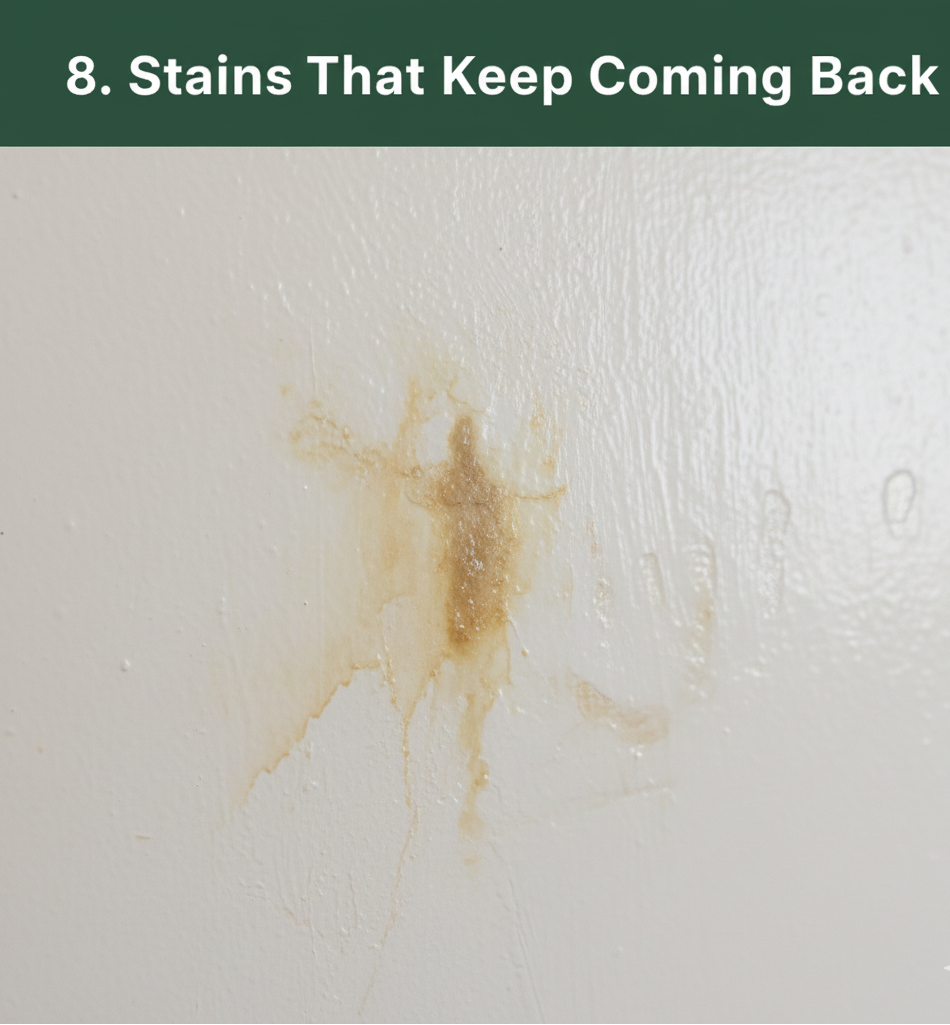
🪞 8. Stains That Keep Coming Back

If you keep scrubbing the same spots but they reappear, it might not be dirt—it’s a sign your paint has lost its protective finish.

In humid spots like New Brunswick, this often happens on ceilings and bathroom walls. In Airdrie and Chestermere, kitchen walls near cooking areas are common problem zones.
What to look for:

  • Yellow or brown stains that return after cleaning

  • Greasy marks that paint no longer resists

  • Walls that absorb rather than repel water

Why it matters:
Low-sheen or worn paint absorbs moisture, smoke, and oils more easily. A repaint with washable, moisture-resistant finishes keeps your walls clean and sealed.


🏠 9. You’re Seeing Hairline Cracks

Hairline cracks often appear where walls flex slightly, like along ceilings or corners. These can start small but grow quickly if ignored.

In Cochrane, where temperature changes are frequent, this is common on exterior surfaces. In Inglewood, older plaster walls may show the same thing indoors.
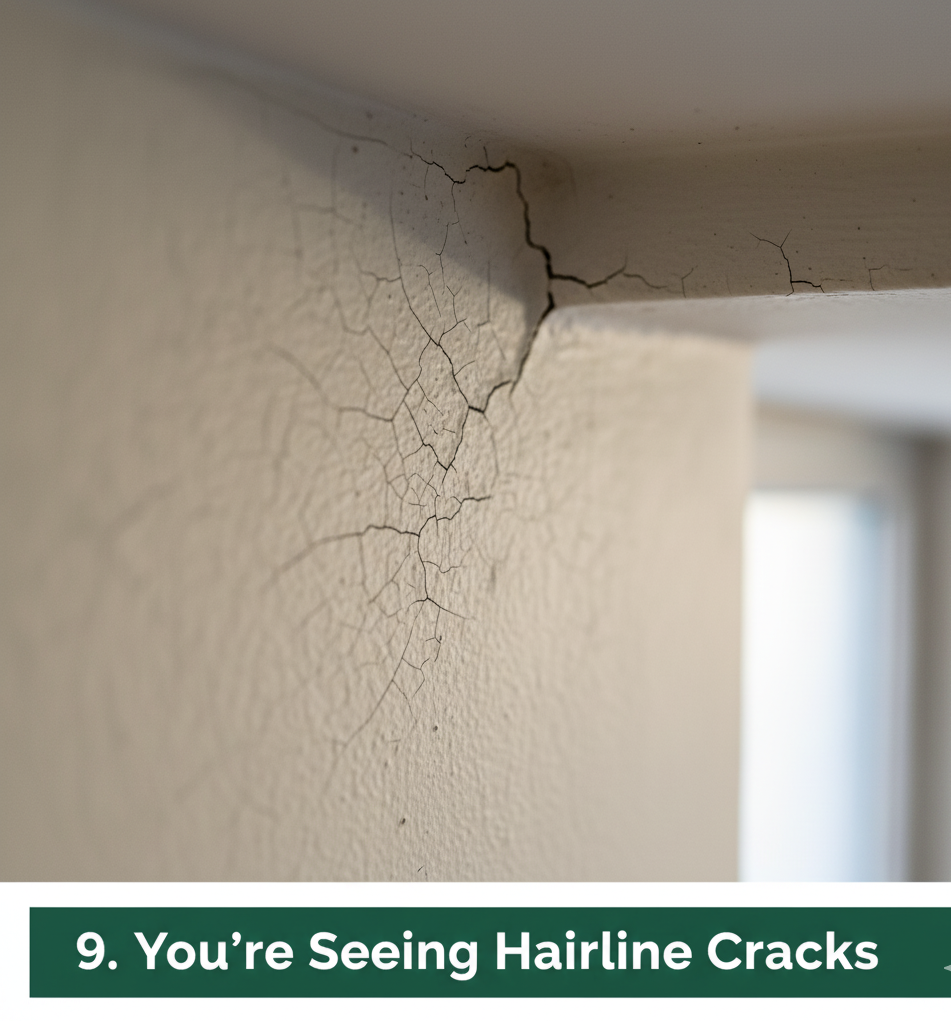
What to look for:

  • Tiny lines that look like spiderwebs on walls or ceilings

  • Cracks that appear after a cold season

  • Uneven paint texture near corners

Why it matters:
Hairline cracks signal that the paint layer has hardened and lost flexibility. A fresh coat seals them before they deepen, protecting the underlying structure and keeping walls smooth.


🧰 10. It’s Been Over 5 to 7 Years Since Your Last Paint Job

Even if everything looks fine, time alone wears down paint.

  • Interiors: usually need repainting every 5 to 7 years

  • Exteriors: every 7 to 10 years, depending on weather exposure

Homes in Airdrie or Cochrane face strong UV exposure, while New Brunswick homes deal with humidity and salt. Both climates shorten paint lifespan.

When paint hits its average age, its surface becomes less elastic and more likely to crack or peel under stress. Repainting before problems show up helps you avoid structural issues altogether.


🎯 Why Repainting Early Pays Off

It’s easy to think of repainting as purely cosmetic, but it’s actually a form of maintenance that saves money long-term.

A home that’s repainted before visible damage appears:
✅ Costs less to prepare
✅ Requires fewer repairs
✅ Keeps siding, drywall, and trim in better shape
✅ Maintains curb appeal and property value

At Lucky Painting Ltd, our goal is to help homeowners in Airdrie, Chestermere, Cochrane, Inglewood, Bridgeland, and New Brunswick keep their homes beautiful and protected—not just today, but for years to come.


📞 Ready to Refresh Your Home?

If you’ve noticed any of these signs, it might be time for a repaint.
Whether you’re in a lakefront Chestermere home, a historic Inglewood property, or a bright family space in Airdrie, our team at Lucky Painting Ltd can help you bring it back to life.

📞 403-891-4138
📧 info@luckypaintingltd.ca
🌐 https://luckypaintingltd.ca/contact-us

Fresh paint doesn’t just change how your home looks. It changes how it feels—and how long it lasts.
color shades

Inside the Painter’s Mind: What We Notice That Homeowners Don’t

Most homeowners think painting is about color choices and applying paint to the walls. For professionals, it is about noticing what others do not.

At Lucky Painting Ltd, we take time to understand every detail before picking up a brush. Our team works in Airdrie, Chestermere, Inglewood, Bridgeland, Cochrane, and New Brunswick, and across all these areas, one thing stays true: the smallest details make the biggest difference.

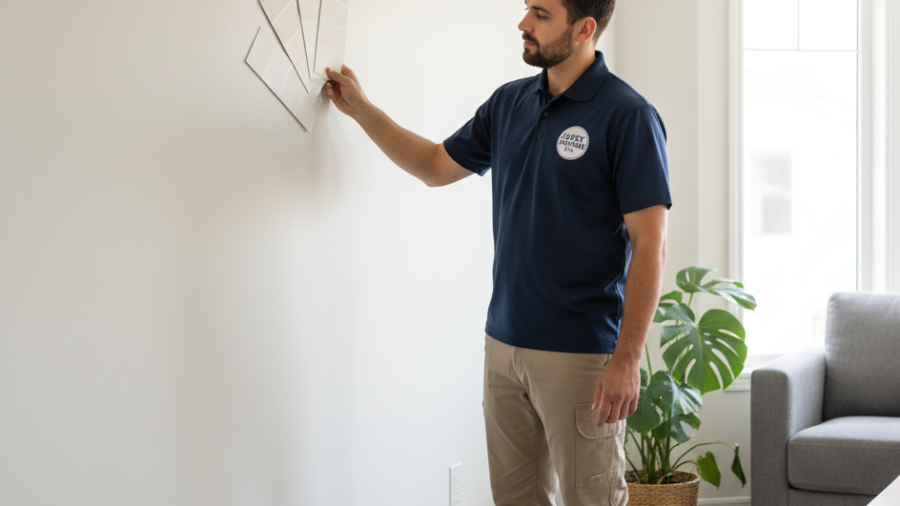
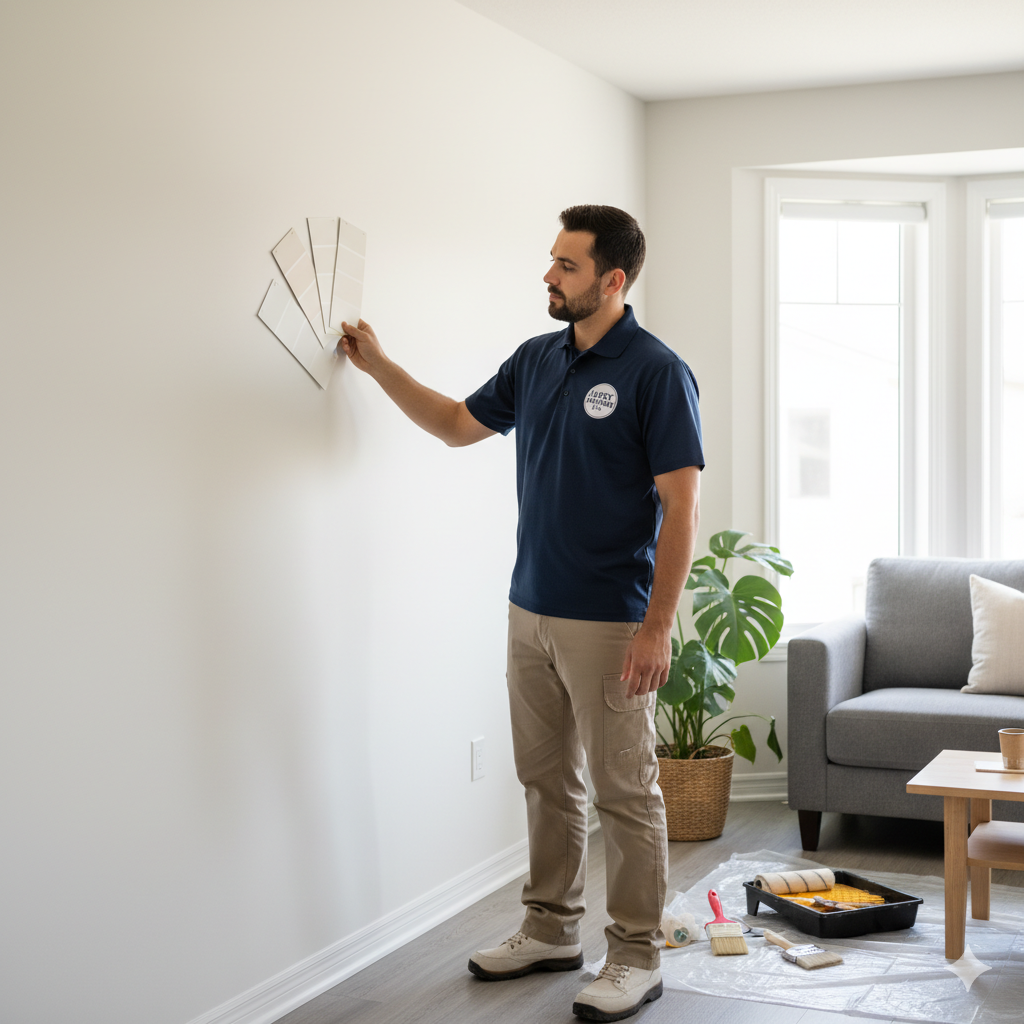
A staff at Luckypaintingltd deciding on which shade of paint works best for a Cochrane home in Calgary

Here is what we look for that most people overlook.


👀 1. We Look at Light Before We Look at Color

Paint color depends on lighting. In Airdrie or Cochrane, sunlight is strong and direct, while in older areas like Inglewood or Bridgeland, natural light might be softer.

Before suggesting colors, we study the light. We check:
✨ The direction the room faces (north, south, east, or west)
✨ The type of lighting used indoors
✨ How much natural light enters during the day

This helps us choose colors that stay consistent in all lighting, not ones that change tone from morning to night.


🧱 2. We Check the Walls Before We Paint

Every wall has a story. In Airdrie, it might be uneven drywall seams. In Chestermere, it could be minor cracking from moisture near the lake. In New Brunswick, we often see small patches of hidden humidity.

A quick coat of paint will not fix these issues. That is why surface preparation is a major part of our process.

We clean, patch, sand, and prime before painting. If you skip these steps, the paint will peel or fade sooner. Preparation is what makes paint last.


🌦️ 3. We Pay Attention to Weather and Conditions

Paint reacts to its surroundings. Temperature, humidity, and air movement can affect how it dries and adheres.

Before we begin an exterior job in Chestermere, Cochrane, or Airdrie, we check conditions carefully.
✅ The surface must be dry and clean
✅ The temperature must suit the paint type
✅ There should be no risk of strong wind or rain

Painting under poor conditions causes peeling, blistering, or early fading. Our planning prevents that.


🎨 4. We Think About How Colors Work Together

Choosing paint is not only about liking a color. It is about how it looks in your space.

A light gray might look calm and balanced in a Bridgeland condo, but in a sunny Chestermere living room, it might appear too cool. That is why we test paint samples on your actual walls before we start.

Seeing colors in context helps you make confident choices and avoid surprises later.


🪞 5. We Notice Texture and Finish

Color is only part of what makes a room look good. The finish (matte, eggshell, satin, or gloss) affects both appearance and durability.

We make sure every surface has a consistent finish. A mismatched sheen can make a wall look patchy even with the same color.

Our painters are trained to notice tiny inconsistencies. We ensure every wall in your Inglewood home or Cochrane bungalow looks even, smooth, and professionally done.


🧠 6. We Consider How Each Home Feels

Every home has its own personality. Some clients in Airdrie prefer bright and modern designs. Families in Chestermere often want warm tones that complement lake views. Homeowners in Inglewood or Bridgeland might lean toward historic or classic colors that match older architecture.

We start by asking how you want your home to feel, then pick colors and finishes that match your lifestyle and taste.

Painting is not just about walls. It is about comfort, tone, and creating a home that feels right for you.


🔍 7. We Pay Attention to the Small Areas

Small areas matter as much as big ones. We always focus on details such as:
🪜 Straight lines where walls meet ceilings
🧱 Clean trim and baseboards
⚡ Even paint coverage behind doors and outlets
🧽 Smooth corners with no paint buildup

These details may seem minor, but they make a paint job look polished and professional.


💡 8. We Plan for How Paint Will Age

We do not just think about how your home looks today. We think about how it will hold up years from now.

Homes in Airdrie and Cochrane experience dry air and strong sunlight. Homes in New Brunswick deal with humidity and salt exposure. Each environment affects paint differently.

That is why we use paints designed for each climate:
🎯 UV resistant coatings for sun exposed exteriors
🎯 Moisture resistant paints for bathrooms and basements
🎯 Durable finishes for high traffic areas such as hallways or kitchens

Planning for the future helps your paint stay fresh for longer.


🧰 9. We Catch Problems Early

A wall can look fine to a homeowner but reveal problems to a trained eye.

We look for:
🔎 Small cracks or bubbles caused by trapped moisture
🔎 Chalky or faded paint from age
🔎 Gaps in old caulking
🔎 Early mildew around windows and trim

We fix these issues before painting so the new finish lasts and performs as it should.


🏠 10. We Match Paint to the Home’s Character

Each neighborhood has its own style.
🏡 Airdrie has newer homes that benefit from clean and modern colors.
🏡 Chestermere homes often use softer tones that reflect the lakeside view.
🏡 Inglewood and Bridgeland homes may have classic trims and historic charm.
🏡 Cochrane homes look great with warm, natural shades that match the surrounding hills.
🏡 In New Brunswick, homes often need protective finishes that handle coastal weather.

We match the paint and finish to your home’s structure and setting so the results look right, not out of place.


🧩 The Lucky Painting Ltd Difference

Wherever we work, in Alberta or across New Brunswick, our approach stays consistent.
We prepare thoroughly, use quality materials, and focus on details.

We notice what others do not. That is what makes our paint jobs look professional and last longer.

When you hire Lucky Painting Ltd, you get more than painters. You get a team that cares about the final result and the long term quality of your home.


📞 Ready to Get Started

Lucky Painting Ltd provides residential and commercial painting services in Airdrie, Chestermere, Inglewood, Bridgeland, Cochrane, and New Brunswick.

If you want your home to look better and stay protected, our team is ready to help.

📞 403 891 4138
📧 info@luckypaintingltd.ca
🌐 https://luckypaintingltd.ca/contact-us

erik-mclean-n8U4Jhf4UWY-unsplash

 Exterior Painting in Chestermere: How Your Home Battles the Elements (And Wins)

Your home is your castle — but in Chestermere, the elements are fierce. Wind, frost, and fluctuating temperatures all conspire to wear down exterior paint over time. Choosing the right paint, prep, and maintenance routines can mean the difference between a fresh look for a few years and one that lasts a decade

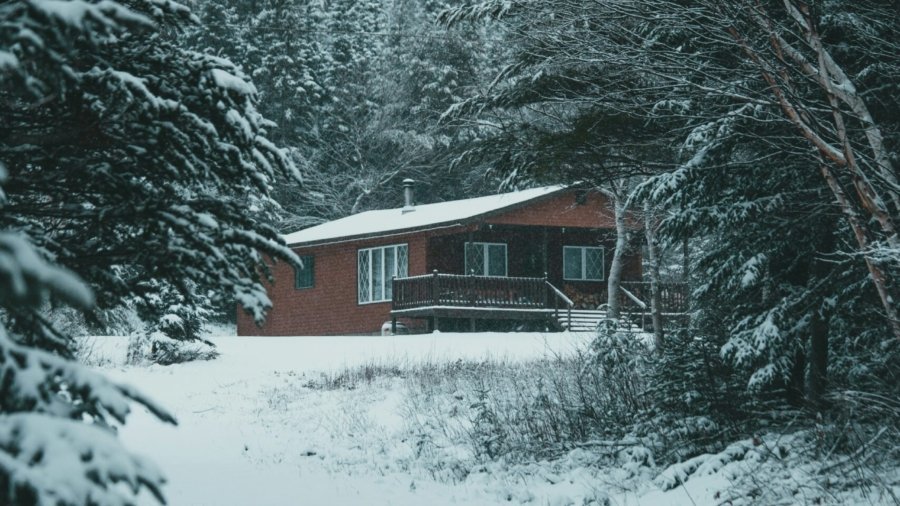
Weathred house in Chestermere during winter

Lucky Painting Ltd is here to help you get color that not only looks great but lasts.


 Why Chestermere’s Weather Demands Smart Painting 🎯

Chestermere sits in Alberta’s zone of extremes. That means:

  • Strong UV exposure — sunlight can fade and break down paint film

  • Freeze-thaw cycles — morning frost, warm afternoons, then overnight cold

  • Wind, dust, and debris — scratching or abrading the outer layer

  • Moisture and humidity near the lake — potential for mildew, mold, or paint blistering

If your paint isn’t formulated to handle these stressors, peeling, cracking, or fading is almost inevitable.


 What to Look for in Exterior Paint for Alberta Homes

A checklist of what to look for when painting a home in Chestermere

Here’s what you want in a paint system for Chestermere:

✅ Flexible or elastomeric paint films — these expand and contract without cracking
✅ UV-resistant pigments — fade resistance matters in our bright summers
✅ High adhesion / advanced acrylate bases — for long-lasting grip on siding, stucco, fiber cement
✅ Mildew / moisture inhibitors — especially for parts of the home shaded or close to moisture sources
✅ Quality primers and bonding agents — bare wood, metal trims, old surfaces all need solid base layers

As you evaluate quotes, ask your contractor which paint brands and systems they use, and why they believe they’re suited for Alberta weather.

 Surface Prep: Where Longevity Really Begins

No matter how good your paint is, poor prep ruins performance. Here’s a pro checklist Lucky Painting Ltd always follows:

  1. Power wash / soft wash to remove dirt, algae, chalking residue

  2. Scrape / sand loose or peeling paint

  3. Inspect and repair damage — rot, cracks, split siding or trim

  4. Prime raw surfaces and bare patches

  5. Caulk and weather-seal gaps, joints, trim to block moisture infiltration

These steps ensure your paint fully bonds and resists the elements.

 Picking the Right Color (And Why It Matters)

Color choice isn’t just aesthetic — it impacts performance:

  • Darker colors absorb more heat → more expansion/contraction → faster fatigue

  • Lighter, neutral tones reflect more sunlight and fade slower

  • Interior Painting in Chestermere, Airdrie and Calgary Area

    Earthy neutrals (taupe, warm greys, gentle greens) complement Chestermere’s landscape and age gracefullyIf you love bold tones (deep blues, saturated greens), consider using them on accents like doors, shutters, trim — rather than full siding. This gives drama without risking overexposure.

 Maintenance Tips to Stretch Your Paint’s Life

Once painting is done, your care matters:

  • Wash your exterior yearly with a mild soap and soft brush

  • Inspect for cracks, peeling, or scuffs every spring & fall

  • Trim back nearby vegetation to keep surfaces dry and sun-exposed

  • Keep leftover paint for small touchups — acting early avoids undercutting moisture

  • Re-caulk or refresh trim seals every few years

With proactive upkeep, many Alberta homes get 8–12 years out of a full exterior repaint.

 DIY vs. Hiring a Pro (And Why Many Choose Lucky Painting Ltd)

Sure — painting your fence or shed can be a weekend job. But for full exterior work on houses in Chestermere, here’s where hiring pros helps:

  • They have access to premium paint systems suited to Alberta

  • They follow rigorous prep & repair workflows

  • They maintain clean lines, crisp edges, safety compliance

  • They offer warranties and guarantee performance

Lucky Painting Ltd, based in Calgary and serving the region, delivers both residential and commercial projects with attention to detail and weather-tested materials. luckypaintingltd.ca

When you’re ready to transform your home’s exterior, Lucky Painting Ltd is here for you. Contact us today for a free, no-obligation exterior painting estimate in Chestermere. We’ll help you pick durable products and flawless finishes that stand up to Alberta’s elements.

📞 Call us at 403-891-4138
📧 Email: info@luckypaintingltd.ca
Or use our contact page: luckypaintingltd.ca/contact-us/

Airdrie 2

Interior Painting in Airdrie: Color Trends and Finish Options That Last

When you walk into a freshly painted room, everything feels different — the light shifts, the mood changes, and the space suddenly feels alive. For homeowners in Airdrie, interior painting isn’t just about covering walls. It’s about creating a lasting atmosphere that matches your lifestyle.

Whether you’re preparing your home for sale or craving a style refresh, knowing today’s color trends and durable finishes will help you choose a look that stands the test of time.

🏡 Why Interior Painting Matters More Than You Think

Paint does more than decorate — it protects your walls, hides imperfections, and even affects how big or cozy a room feels.

In a community like Airdrie, homeowners often repaint interiors to keep homes modern and welcoming. Plus, a clean, well-painted interior adds resale value — nothing says “cared for” like crisp lines and rich color.

🌈 2025 Interior Color Trends for Airdrie Homes

Paint companies may announce a “color of the year,” but real trends come from how people live. These are the shades dominating homes across Airdrie right now:

🎋 1. Nature-Inspired Greens
Soft sage and muted olive bring calm to living rooms and kitchens — especially paired with wood textures.

☁️ 2. Warm Neutrals
Goodbye cold gray, hello greige! These subtle tones keep rooms bright but cozy through Airdrie’s long winters.

💙 3. Deep Accent Colors
Navy, charcoal, and black are being used on cabinets, feature walls, and doors — adding drama without heaviness.


🪵 4. Soft Earth Tones
Terracotta, clay, and rust connect your home to Alberta’s natural landscapes. Warm, welcoming, and timeless.

🌸 5. Pastel Pops
Powder blue, blush, and buttery yellow add gentle personality to bedrooms and bathrooms.

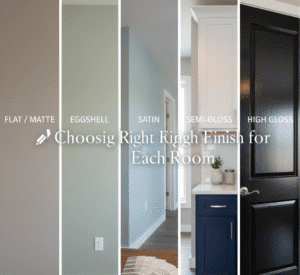
🖌️ Choosing the Right Finish for Each Room

The finish affects both appearance and durability. Here’s a simple cheat sheet:

  • 💤 Flat / Matte: Best for ceilings and low-traffic rooms. Hides flaws but tricky to clean.
  • 🍷 Eggshell: Slight sheen, hides imperfections, easy to wipe — ideal for living or dining rooms.
  • 🚪 Satin: Durable and smooth. Perfect for hallways, kitchens, and kids’ rooms.
  • ✨ Semi-Gloss: Great for trim, doors, and cabinets. Resists moisture and stains.
  • 💎 High Gloss: Reflective, dramatic, and best for accent details rather than walls.


✅ Pro tip: Pair your finish with the room’s activity level — a high-traffic family room needs tougher paint than a quiet study.

🧽 How to Make Your Paint Last

Good prep and maintenance go a long way. To extend your paint job’s lifespan (typically 7–10 years):

🧹 Clean, sand, and prime surfaces before painting.
🎯 Use quality brands with built-in primer and UV protection.
🚫 Avoid flat paint in high-touch zones like hallways.
🪣 Keep extra paint for touch-ups.

🌦️ Local Insight: Painting for Alberta Homes

Homes in Airdrie deal with Alberta’s unique climate — dry winters and bright summer sun. Those conditions can crack paint or fade colors faster. That’s why local painters often recommend:

  • Mid- to high-grade paints with UV and humidity resistance
  • Flexible finishes that expand and contract with seasonal changes
  • Coordinated color palettes for open-concept layouts (a common style in new developments)

This ensures every wall, trim, and ceiling keeps its vibrancy for years.

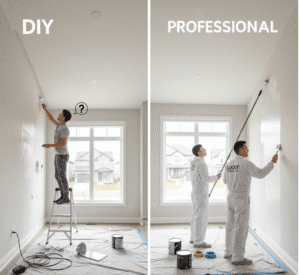
🧰 DIY or Hire a Pro?

Sure, you can grab a roller — but precision takes practice. Painting ceilings, cutting sharp edges, or handling textured walls can turn weekend projects into week-long headaches


Lucky Painting Limited in Airdrie brings:

  • Experience with tricky surfaces
  • Access to better materials and tools
  • Color consultations that help you avoid expensive mistakes

💬 Final Brushstroke

Interior painting in Airdrie goes far beyond picking a trendy color. It’s about designing your daily environment. Choose shades that reflect your energy, finishes that fit your routines, and professionals who care about the result as much as you do.

🌟 Whether you’re drawn to calming greens, bold blues, or timeless neutrals, the right paint can transform not just your walls — but your mood every day.

🖌️ Ready to refresh your space? Call us today for a paint job that adds life to your interior and exterior walls. 

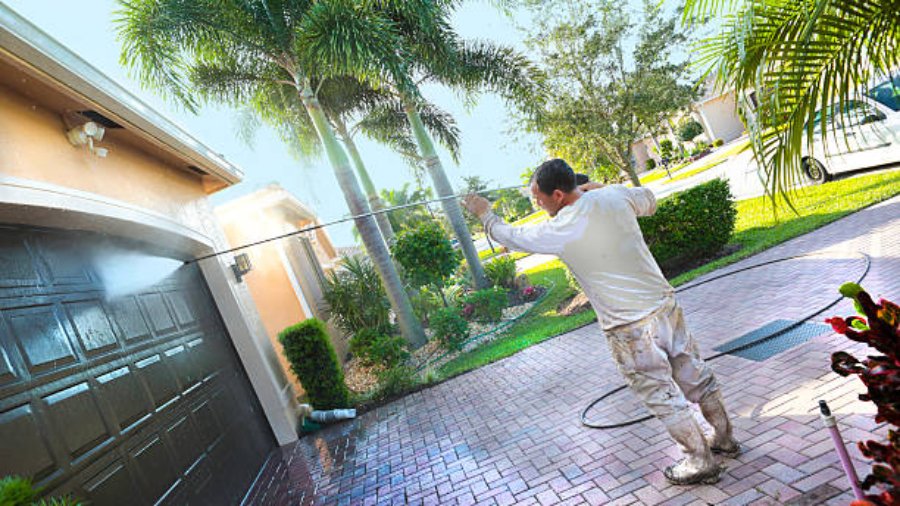
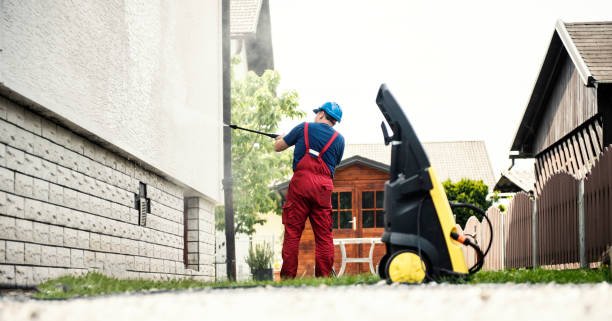
A worker at Lucky Painting Ltd. power washing an upscale home before painting a calgary home

Why Power Washing Is the Secret to a Long-Lasting Paint Job in Calgary

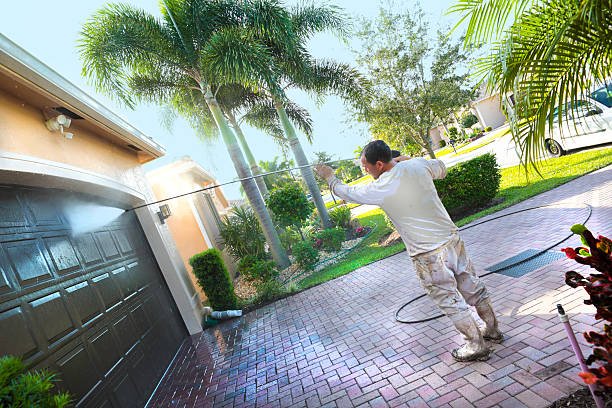
Most people think a great paint job starts with a good brush or the perfect shade. But at Lucky Painting Ltd., we know the truth: it starts with a clean surface. Power washing before painting isn’t optional—it’s essential. Especially in a city like Calgary, where dust, pollen, and freeze-thaw residue cling to every surface, power washing is the first step toward a smooth, long-lasting finish.

A worker at Lucky Painting Ltd. power washing an upscale home before painting a calgary home

Why It Matters in Calgary
Calgary’s seasonal extremes mean your siding, trim, or stucco likely hosts a layer of invisible buildup: dust from windstorms, salt from icy roads, and mold from shaded areas. This debris can create a barrier between the paint and your surface. Without power washing, paint won’t adhere properly and may peel or bubble within months.

Exterior painting is an investment — and skipping the cleaning stage reduces your return. That’s why every exterior painting job we take on includes thorough power washing tailored to the material type.

What Surfaces Should Be Power Washed Before Painting?

  • Stucco — Especially prone to dust and mildew
  • Wood siding — Needs gentle pressure to avoid damage but requires deep cleaning
  • Trim and fascia — Often forgotten but crucial for clean edges
  • Garage doors and fences — Frequently exposed to grit and moisture

What Happens If You Skip It?

  • Peeling and flaking paint
  • Inconsistent color and texture
  • Mold and mildew trapped under paint
  • Reduced paint lifespan (by 2–3 years)

Our 4-Step Power Washing Process

Cleaning with high pressure at an industrial complex in Calgary
  1. Assessment — We test pressure levels for stucco, wood, and composite surfaces.
  2. Eco-safe Detergents — These break down mildew, grime, and pollen safely.
  3. Detail Rinse — We make sure no residue or detergent is left behind.
  4. Drying Time — We wait 24–48 hours before painting to ensure a moisture-free surface


When Should You Schedule Power Washing in Calgary?

  • Spring and fall are ideal for most homes
  • Avoid power washing below 5°C or during rain
  • Book at least 2–3 days before painting for drying time


Painting Starts with Prep
Whether you’re repainting your stucco home or giving your fence a refresh, power washing is step one. Lucky Painting Ltd. brings the right tools, products, and experience to do it safely and effectively.

📍 Serving Calgary and surrounding areas. Book your power washing and prep services today for a paint job that lasts.

A painter prepping a room in Calgary.

The Best Interior Painting Tips for Calgary Homes in 2025

A fresh coat of interior paint can make your home feel brand new, but in Calgary’s dry winters and sunny summers, you need more than just a brush and a color card. Lucky Painting Ltd. has helped homeowners across Calgary upgrade their interiors with finishes that last. Here’s how to do it right from prep to paint.

A painter prepping a room in Calgary.
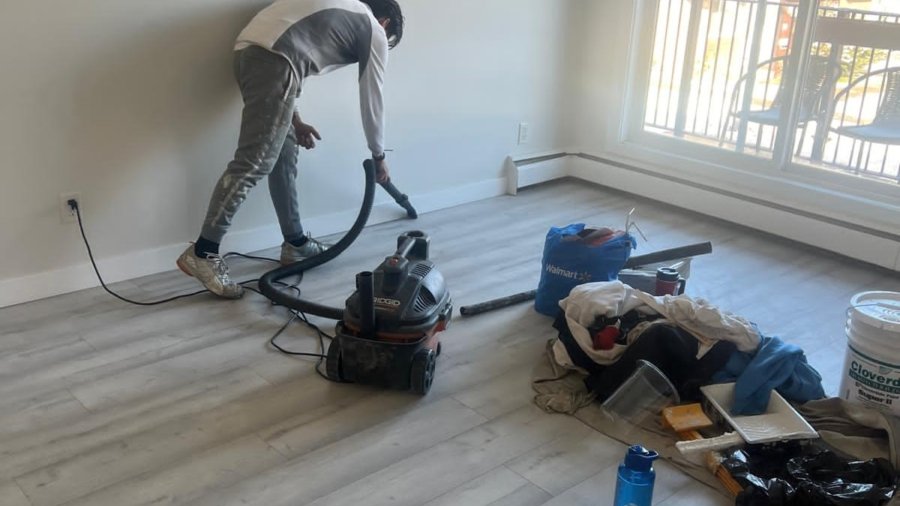
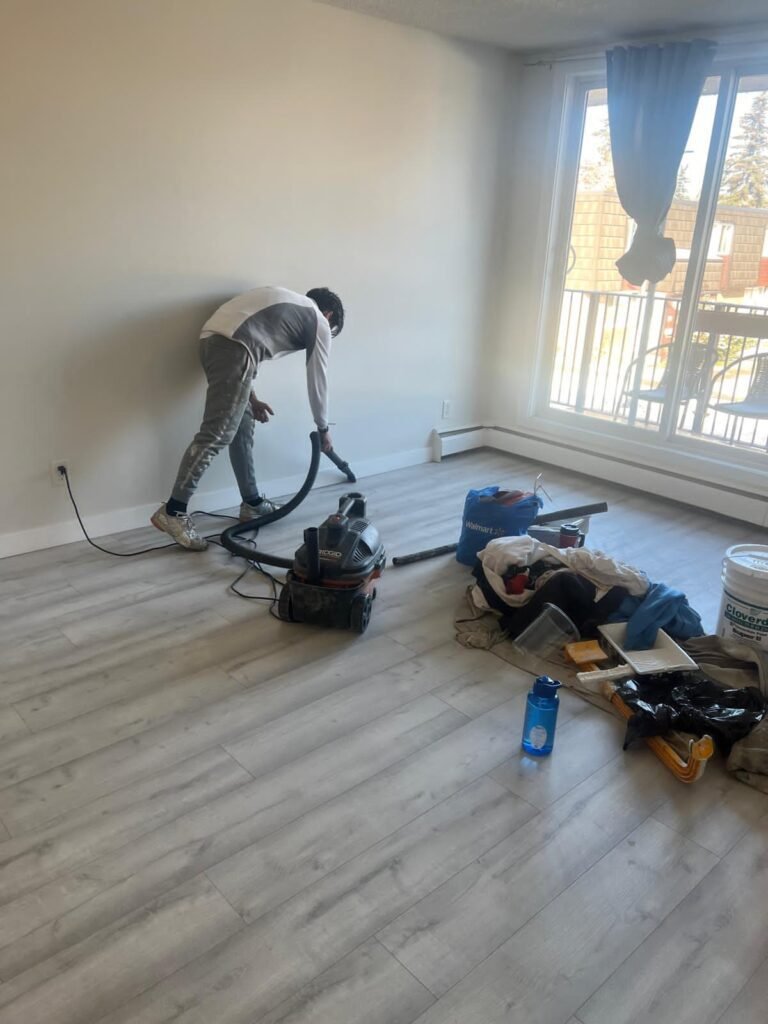
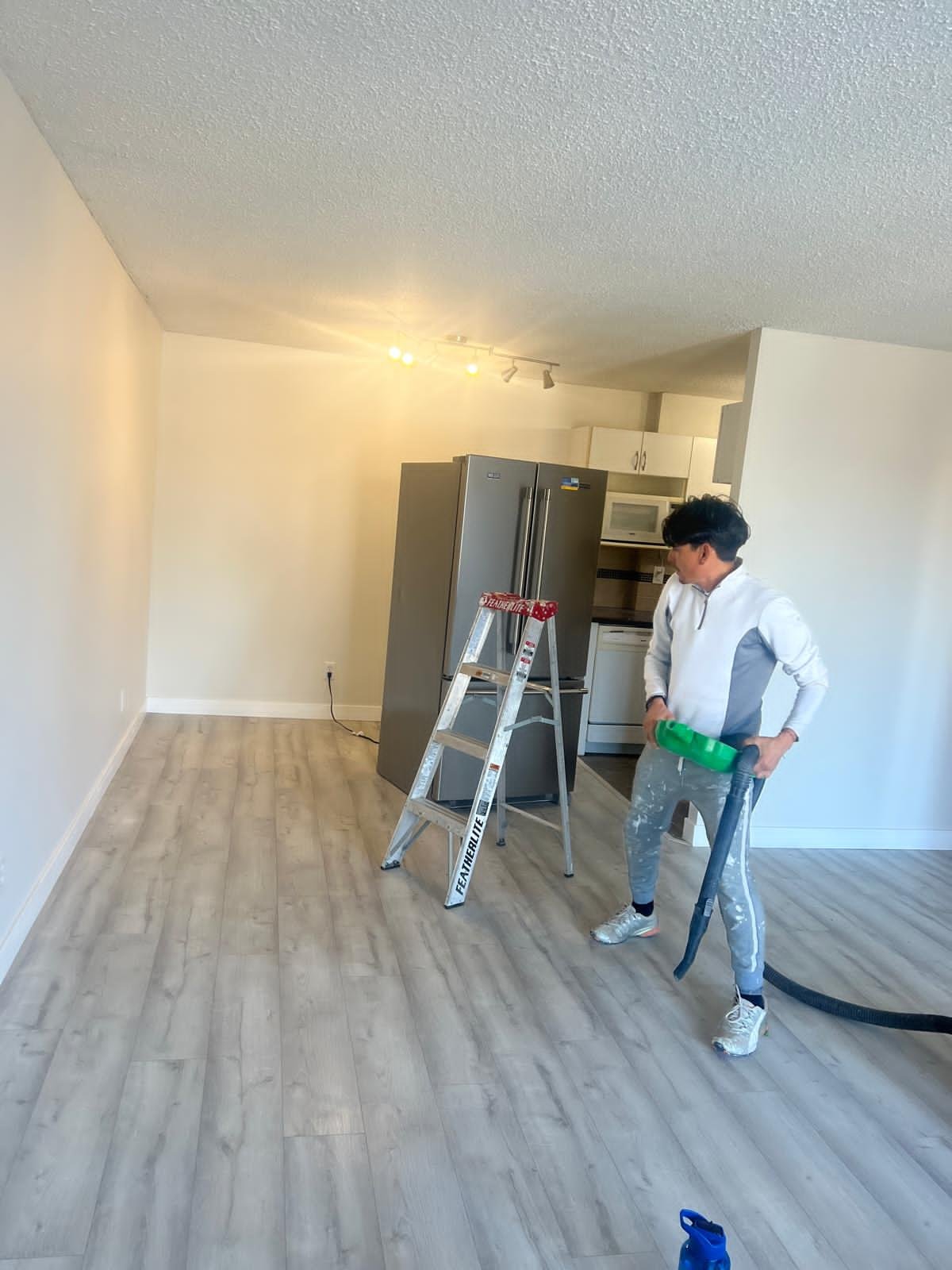
Staff of Luckypainting Limited vacuuming a room after painting

Why Calgary’s Climate Affects Interior Paint

  • Low humidity in winter causes paint to dry too quickly, leading to cracking or uneven finishes.

  • Dry air also affects adhesion, especially on drywall.

  • We recommend using low-VOC, moisture-tolerant paints like Benjamin Moore Regal or Sherwin-Williams Duration.

Most Popular Interior Colors in Calgary Right Now

  • Warm neutrals: Think greige and warm beige, perfect for open-concept homes.

  • Earthy greens and deep blues: Great for accent walls and modern designs.

Most popular paint in Calgary Right Now
  • Soft whites: Perfect for maximizing light in homes with big windows.

How Lucky Painting Preps Your Interior

  1. We move and cover all furniture.

  2. Patch and prime any dents, nail holes, or minor drywall issues.

  3. Tape off trim, vents, and hardware for crisp edges.

  4. Apply two coats using the ideal finish for each room (e.g., satin for living rooms, eggshell for bedrooms).

 FAQ

Q: How long does it take?
A: Most 1–2 bedroom homes take 2–3 days.

Q: Can you paint in winter?
A: Yes! Interior painting is perfect for winter — with proper ventilation and product choice.

Most popular paint in Calgary Right Now

📍 Serving homes across Calgary since 2007
Book your free interior painting consultation today and get your home ready for a fresh season.

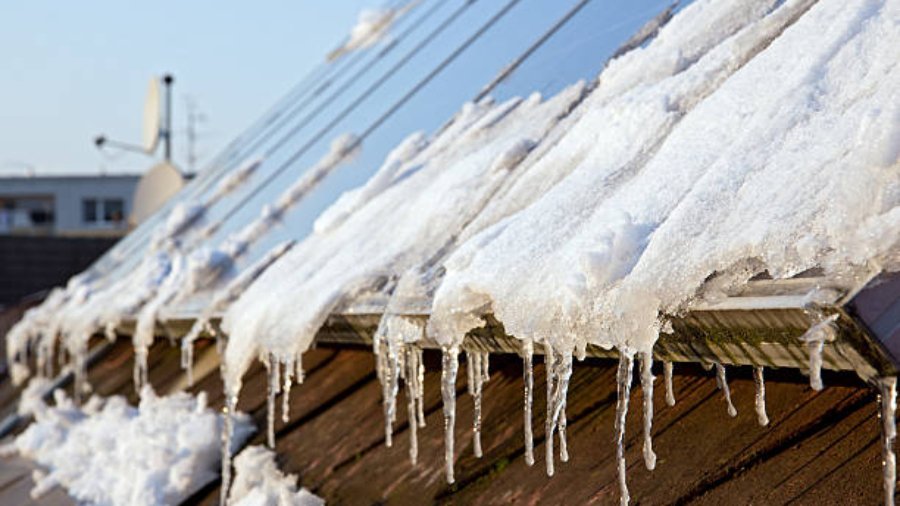
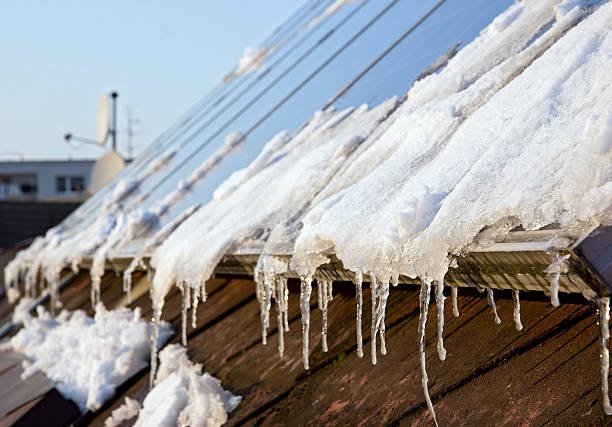
Image of a freeze-thawed roof in Calgary, Alberta.

How Freeze-Thaw Calgary Winters Affect Your Home’s Exterior Paint

If you’ve lived in Calgary long enough, you know the weather can turn on a dime. One minute it’s sunny, and the next, you’re scraping frost off your windshield. But while you’re bundling up, your home’s exterior is taking the real hit, especially the paint.

Calgary’s freeze-thaw cycles aren’t just uncomfortable. They can be brutal on your home’s surfaces, leading to cracked paint, peeling finishes, and moisture damage. Here’s what you need to know and how Lucky Painting Ltd. can help keep your home looking sharp all year round.


Image of a freeze-thawed roof in Calgary, Alberta.
Snow-thawed roof in Calgary

❄️ What Is Freeze-Thaw, and Why Is It a Problem?

Freeze-thaw refers to Calgary’s frequent cycle of temperatures dipping below and then rising above freezing in short periods—sometimes within the same day. When that happens:

  • Moisture seeps into tiny cracks in your paint or siding.

  • That moisture freezes and expands, widening the crack.

  • The next day, it thaws and contracts.

  • Repeat this dozens of times over the winter, and you’re left with flaking, peeling, or bubbling paint—and potentially damaged surfaces beneath.

This issue is especially common in Calgary from October through April, when warm chinooks can cause rapid temperature swings.

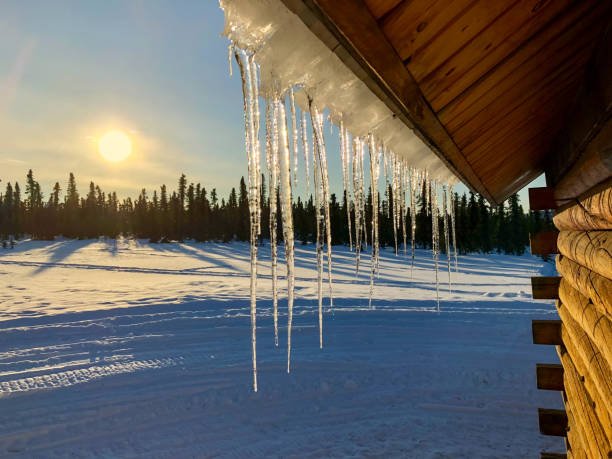
A Calgary home covered in snow

🏠Which Exterior Surfaces Are Most Vulnerable?

Not all materials respond to Calgary winters the same way. Based on what we’ve seen on the job:

  • Stucco: Hairline cracks can grow quickly, leading to paint failure and moisture intrusion.

  • Wood siding and trim: Naturally porous, wood expands and contracts dramatically, stressing the paint.

  • Unsealed brick or concrete: Moisture penetration can lead to flaking or chalky finishes if not properly treated.

A calgary house coated in winter-resistant painting


🎨 Choosing Paint That Stands Up to Calgary Winters

If your paint job is more than a few years old, there’s a good chance it’s not up to today’s standards. We recommend:

  • Elastomeric or flexible acrylic paints that expand and contract with temperature shifts.

  • Low-temp application products, especially for late fall or early spring jobs.

  • Waterproof primers and sealants for added moisture resistance.

At Lucky Painting Ltd., we only use high-performance coatings tested for Western Canadian weather. Whether it’s a stucco home in Bridgeland or wood siding in Calgary NW, we match the product to the environment.


🧰 Our Exterior Prep Checklist (Built for Calgary)

Before any winter paint job—or if you’re planning ahead for spring—here’s how we prep:

  1. Thorough pressure washing to remove dirt, dust, and any flaking paint.

  2. Moisture testing for trouble areas (especially on stucco or wood).

  3. Crack sealing and caulking around trim, windows, and doorframes.

  4. Primer application using breathable, water-resistant primers.

  5. Topcoat with freeze-thaw resilient paint in 2+ layers.

We often work with clients from Midnapore to Hillhurst, planning early to avoid rush jobs when the snow hits.


🛠️ Case Example: Exterior Stucco in Calgary SE

One homeowner in Calgary SE noticed bubbling and discoloration on their stucco siding every spring. We traced it back to a poorly sealed paint job that hadn’t been updated in 10 years. After moisture testing and sealing the cracks, we applied a flexible stucco-specific paint. Two winters later, it still looks brand new.


💬 Frequently Asked Questions

Can you paint in a Calgary winter?
Yes—but only with the right products and when temps are stable above 2–5°C. We help clients time their projects around weather windows.

How long does exterior paint last in Calgary?
With proper prep and premium paint, you can expect 7–10 years—less with cheaper products or poor sealing.

Do I need to repaint if there’s peeling?
If you see peeling, it’s a sign that moisture is already getting in. It’s best to act quickly before it leads to deeper damage.


🧑‍🎨 Let’s Winter-Proof Your Home’s Paint

Your home’s first line of defense against Calgary’s wild weather is a paint job that can take the pressure—literally. At Lucky Painting Ltd., we help Calgary homeowners protect and beautify their homes with painting solutions that are made for Alberta winters.

📍 Serving clients across Calgary since 2007
📞 Contact us for a free consultation and custom quote

The Top 5 Mistakes to Avoid When Painting Your Building’s Exterior

Painting the exterior of a building can give it a fresh, new look and improve its overall appearance. However, painting the exterior of a building is not an easy task and can quickly become a costly and time-consuming project if mistakes are made. From choosing the right paint to avoiding weather-related issues, there are several common mistakes that people make when painting the exterior of their building. In this blog post, we’ll discuss the top five mistakes to avoid when painting your building’s exterior. By following our advice, you can ensure that your painting project is successful, and your building looks great for years to come.

Mistake #1: Skipping the Prep Work

Properly preparing the exterior of a building is critical to ensuring that the paint adheres correctly and provides long-lasting protection. Skipping this step is a common mistake that people make when painting the exterior of their building. While it may seem tempting to jump right into the painting process, taking the time to prepare the surface can save you time, effort, and money in the long run.

Prepping the exterior of a building before painting involves several key steps. First, you should clean the surface thoroughly to remove any dirt, debris, or loose paint. This can be done using a pressure washer or a stiff-bristled brush and water. It’s essential to remove any mold or mildew as well, as these can cause the new paint to peel and crack.

After cleaning the surface, you should inspect it for any damage, such as cracks or holes. These should be repaired using a suitable filler, such as caulk or spackle, and allowed to dry completely. Any rough spots or imperfections should be sanded down to create a smooth, even surface for the paint to adhere to.

Once the surface is clean and free of damage, it’s time to apply a primer. A primer helps to create a uniform base for the paint and ensures that it adheres properly to the surface. It also helps to seal any porous areas and prevent moisture from seeping into the surface, which can cause the paint to peel and crack.

Skipping the prep work can lead to several problems, including peeling, flaking, and chipping of the new paint. Paint that is applied to a dirty, damaged, or uneven surface will not adhere correctly and will likely fail sooner than expected. In addition, painting over mold or mildew can cause health problems for occupants of the building, as these can spread and cause respiratory issues.

In summary, skipping the prep work is a mistake that can lead to a subpar finish and costly repairs in the long run. Taking the time to properly prepare the exterior of your building before painting will ensure that the new paint adheres correctly and provides long-lasting protection. Don’t rush the prep work, as it is a critical step that will pay off in the long run.

Mistake #2: Not Choosing the Right Paint

Choosing the right paint is crucial to achieving a high-quality finish that will stand the test of time. Unfortunately, not everyone takes the time to research and choose the right paint for their building’s exterior. This can result in paint that doesn’t adhere properly, fades quickly, or peels and cracks, leading to costly and time-consuming repairs.

When choosing paint for your building’s exterior, there are several factors to consider. First, you need to decide on the type of paint you want to use. There are two main types of exterior paint: oil-based and water-based. Oil-based paint is more durable and provides a smoother finish, but it takes longer to dry and requires solvents for cleanup. Water-based paint is easier to clean up, dries faster, and is more environmentally friendly, but it is not as durable as oil-based paint.

Another factor to consider is the sheen of the paint. The sheen refers to the level of glossiness or shininess of the paint. High-gloss paints provide a shiny finish but are more susceptible to showing imperfections and require more maintenance. Flat paints, on the other hand, provide a more muted finish and are easier to maintain but are not as durable as high-gloss paints.

In addition to the type and sheen of the paint, you also need to consider the quality of the paint. High-quality paint will provide better coverage, adhere better, and resist fading and peeling better than lower-quality paint. While high-quality paint may be more expensive initially, it will save you money in the long run by reducing the need for touch-ups and repaints.

Not choosing the right paint can lead to several problems, including premature fading, peeling, and cracking. Using the wrong type of paint or the wrong sheen can also result in a less-than-desirable finish that doesn’t look as good as it could. In addition, using low-quality paint may result in a finish that doesn’t hold up as well over time, leading to more frequent repaints and repairs.

In summary, choosing the right paint is essential to achieving a high-quality finish that will stand up to the elements and provide long-lasting protection for your building’s exterior. Take the time to research and choose the right type, sheen, and quality of paint for your project to avoid costly and time-consuming repairs down the road.

Mistake #3: Ignoring the Weather Forecast

The weather can have a significant impact on the success of an exterior painting project. Ignoring the weather forecast and painting in unfavorable conditions is a common mistake that can result in a subpar finish and costly repairs. It’s essential to choose the right time to paint, taking into account the weather conditions and temperature.

When painting the exterior of a building, it’s important to choose a day when the weather is dry and relatively mild. Painting in damp or humid conditions can cause the paint to take longer to dry and lead to issues with adhesion. Similarly, painting in excessively hot or cold temperatures can also cause problems with the paint, leading to cracking, peeling, or other issues.

In addition to the current weather conditions, it’s important to consider the forecast for the coming days. Even if the weather is currently dry and mild, if there is rain or high humidity in the forecast, it’s best to wait until the conditions are more favorable. This will ensure that the paint has the best chance of adhering properly and providing long-lasting protection.

Ignoring the weather forecast can lead to several problems, including poor adhesion, premature fading, and cracking or peeling of the paint. Painting in damp or humid conditions can also lead to the growth of mold and mildew, which can cause health problems for occupants of the building. In addition, painting in extremely hot or cold temperatures can lead to issues with the paint’s performance and longevity.

In summary, ignoring the weather forecast is a mistake that can result in costly and time-consuming repairs down the road. Take the time to choose the right time to paint, considering both the current weather conditions and the forecast for the coming days. This will ensure that the paint adheres properly and provides long-lasting protection for your building’s exterior. Don’t rush the process, as the weather can make a significant difference in the success of your painting project.

Mistake #4: Using Low-Quality Tools and Equipment

When it comes to painting your building’s exterior, the quality of the tools and equipment you use can make a significant difference in the outcome of the project. Using low-quality tools and equipment can result in a subpar finish, wasted time and effort, and costly repairs down the road.

One common mistake people make when painting their building’s exterior is using cheap or inadequate brushes, rollers, and sprayers. Low-quality brushes and rollers can leave behind streaks and brush marks, while sprayers that are not powerful enough can result in uneven coverage and overspray. In addition, using worn-out brushes or rollers can result in a patchy or uneven finish.

Another mistake people make is using low-quality or inappropriate paint thinners, solvents, and cleaners. Using the wrong type of solvent can cause the paint to break down or not adhere properly, while using low-quality thinners can lead to a poor finish and difficulty in cleaning up.

Using outdated or worn-out equipment can also lead to problems with the paint application. For example, using a ladder that is unstable or too short can make it difficult to reach all areas of the building’s exterior, resulting in missed spots or uneven coverage. Using outdated or faulty equipment can also result in accidents or injuries, leading to additional costs and delays.

Using low-quality tools and equipment can lead to several problems, including a subpar finish, wasted time and effort, and costly repairs down the road. Using inadequate brushes, rollers, and sprayers can result in uneven coverage, overspray, and patchy or streaky finishes. Using the wrong type of solvents and thinners can cause the paint to break down or not adhere properly. In addition, using outdated or worn-out equipment can lead to accidents or injuries, causing additional costs and delays.

In summary, using high-quality tools and equipment is essential to achieving a professional-looking finish that will stand up to the elements and provide long-lasting protection for your building’s exterior. Take the time to invest in the right brushes, rollers, sprayers, solvents, and thinners, and ensure that all equipment is in good working condition. This will help you avoid costly mistakes and achieve a successful painting project.

Mistake #5: Rushing the Painting Process

Painting the exterior of a building is a time-consuming and often tedious process. It can be tempting to rush through the job to get it done quickly, but this is a mistake that can lead to a subpar finish and costly repairs down the road. Rushing the painting process can result in missed spots, uneven coverage, and paint that doesn’t adhere properly.

One common mistake people make when painting their building’s exterior is not taking the time to properly prepare the surface. Skipping prep work such as cleaning, sanding, and priming can result in a poor finish and paint that doesn’t adhere properly. Rushing through the prep work can also lead to missed spots or areas that are not properly covered.

Another mistake people make when painting their building’s exterior is not allowing enough time for the paint to dry between coats. Rushing the painting process by applying multiple coats too quickly can result in the paint not adhering properly, leading to cracking, peeling, and other issues.

Rushing the painting process can also result in accidents and mistakes. For example, painting in windy conditions can cause overspray and uneven coverage, while rushing to finish the job before rain can result in the paint being washed away or not adhering properly.

In summary, rushing the painting process is a mistake that can result in a subpar finish, wasted time and effort, and costly repairs down the road. Take the time to properly prepare the surface, allow enough time for the paint to dry between coats, and be mindful of the weather conditions. Don’t rush the job, as taking the time to do it right will result in a professional-looking finish that will stand up to the elements and provide long-lasting protection for your building’s exterior.

Conclusion

In conclusion, painting the exterior of a building can be a daunting task, but avoiding these top five mistakes can make the process smoother and result in a professional-looking finish that will stand the test of time. Skipping prep work, choosing the wrong paint, ignoring the weather forecast, using low-quality tools and equipment, and rushing the painting process are all common mistakes that can lead to a subpar finish, wasted time and effort, and costly repairs down the road. By taking the time to properly prepare the surface, choosing the right paint, paying attention to the weather, using high-quality tools and equipment, and not rushing the process, you can achieve a successful painting project that will provide long-lasting protection for your building’s exterior. So, keep these tips in mind and happy painting!

Maximizing ROI on Your Building Painting Investment: Expert Tips and Strategies

As a landlord, the appearance of your rental property is critical in attracting and retaining tenants. One of the most effective ways to maintain your property’s visual appeal is through regular building painting. However, painting can be a significant investment, and it’s essential to ensure that you’re getting the best value for your money. That’s why in this blog post, we’ll provide you with tips and strategies to maximize the return on investment (ROI) for your building painting project. From understanding your goals and selecting the right contractor to preparing the building, choosing the right paint, and maintaining the painted surfaces, we’ll guide you through the process of achieving long-lasting results within budget. With these strategies, you’ll not only enhance your property’s curb appeal, but also increase its value, minimize vacancy periods, and keep your tenants satisfied. So, let’s dive in and discover how to get the most out of your building painting investment.

Determining the purpose of the painting project for rental properties

When embarking on a building painting project for rental properties, it’s essential to determine the purpose of the painting project. Knowing the goal of the project can help guide decisions related to color, finish, and paint type, and ultimately, maximize the return on investment (ROI) for the landlord.

One important consideration is the target audience. Who are the intended renters, and what type of property are they looking for? The goal of the painting project should align with the desired demographic. For example, a rental property near a university may benefit from bright, bold colors to attract younger tenants, while a property in a more upscale neighborhood may require a more neutral color palette to appeal to a more mature audience.

Another consideration is the property’s surroundings. If the rental property is situated in a rural area, the goal may be to create a harmonious relationship with nature, while a rental property located in an urban environment may require a more modern and contemporary aesthetic.

It’s also essential to consider the condition of the property’s exterior. If the building’s exterior is in poor condition, the goal may be to create a more polished and updated look. In contrast, if the building’s exterior is in good shape, a simple refresh may be all that’s needed to maintain the property’s visual appeal.

Lastly, landlords should consider the long-term goals of the rental property. Are they looking to increase property value, reduce vacancy periods, or retain tenants? The goal of the painting project should align with these long-term objectives to maximize the ROI.

In summary, determining the purpose of the painting project is a crucial first step for landlords looking to invest in building painting. By considering the intended audience, surroundings, property condition, and long-term goals, landlords can make informed decisions about color, finish, and paint type, ultimately maximizing the ROI for the rental property.

Identifying the target audience for rental properties

Identifying the target audience for rental properties is a critical step in determining the purpose of a building painting project. Understanding who the intended renters are can help guide decisions related to color, finish, and paint type, ultimately maximizing the return on investment (ROI) for the landlord.

One way to identify the target audience is by looking at the location of the rental property. Is it near a university or college? Is it located in a family-friendly neighborhood? Is it in a bustling city center or a more rural area? The location can give clues about who the intended audience is.

Another way to identify the target audience is by looking at the amenities and features of the rental property. For example, if the property has a pool, gym, or other luxury features, the target audience may be young professionals or couples without children. Alternatively, if the property has multiple bedrooms and is located in a family-friendly neighborhood, the target audience may be families with children.

Landlords should also consider the demographic and lifestyle of the intended audience. Are they young professionals or retirees? Are they students or families? Are they interested in a modern, urban lifestyle or a more relaxed, rural setting? By understanding the demographic and lifestyle of the target audience, landlords can choose colors and finishes that will appeal to them.

Once the target audience has been identified, landlords should research color and design trends that appeal to that demographic. For example, younger renters may be drawn to bold, bright colors, while older renters may prefer more muted and neutral tones. Landlords can also consider the psychology of color and how it can impact emotions and mood. For example, blues and greens are often associated with relaxation and tranquility, while yellows and oranges can evoke feelings of energy and excitement.

In conclusion, identifying the target audience for rental properties is a crucial step in determining the purpose of a building painting project. By understanding the location, amenities, demographic, and lifestyle of the intended audience, landlords can choose colors and finishes that will appeal to them, ultimately maximizing the ROI for the rental property.

Choosing the Right Contractor

Choosing the right contractor for a building painting project is crucial for ensuring the project’s success and maximizing the return on investment (ROI). Here are some tips for choosing the right contractor:

Research and compare multiple contractors

Don’t settle for the first contractor you come across. Research and compare multiple contractors to find the one that best fits your needs and budget. Look for contractors with experience in painting rental properties and positive reviews from previous clients.

Check for proper licensing and insurance

Ensure that the contractor you choose is properly licensed and insured. This will protect you from liability in case of accidents or property damage during the project.

Ask for references

Ask the contractor for references from previous clients. This will give you an idea of their work quality and professionalism.

Get a detailed written estimate

Before hiring a contractor, get a detailed written estimate that outlines the scope of the project, the materials to be used, and the timeline for completion. This will help you avoid any surprises or additional costs later on.

Communication and responsiveness

Choose a contractor who communicates clearly and is responsive to your questions and concerns. A contractor who is easy to work with and keeps you informed throughout the project will make the process smoother and less stressful.

Warranty and guarantees

Look for contractors who offer warranties and guarantees on their work. This shows that they stand behind their work and are committed to ensuring customer satisfaction.

Price

While price is an important factor, it shouldn’t be the only consideration when choosing a contractor. Avoid choosing the cheapest contractor as they may cut corners or use inferior materials, resulting in a lower quality finish and a shorter lifespan for the paint job.

In conclusion, choosing the right contractor for a building painting project requires careful consideration and research. By following these tips, landlords can find a contractor who is experienced, licensed and insured, provides references, communicates effectively, offers warranties and guarantees, and provides a fair price, ultimately maximizing the ROI for the rental property.

Inspecting and repairing the rental property’s exterior

Inspecting and repairing the rental property’s exterior is an important step in maximizing the ROI for a building painting investment. Here are some tips for inspecting and repairing the rental property’s exterior:

Inspect the building’s exterior

Start by thoroughly inspecting the building’s exterior for any signs of damage, such as cracks, holes, or peeling paint. This will help you identify areas that need to be repaired before painting.

Repair any damages

Repair any damages that you find during the inspection. This includes filling any cracks or holes in the walls, repairing any damaged siding or trim, and fixing any leaks or water damage. Painting over damaged surfaces will not only look unprofessional but also reduce the lifespan of the paint job.

Check for mold and mildew

Check for any mold or mildew on the building’s exterior. If you find any, it’s important to remove it before painting. A power washer or a solution of bleach and water can be effective in removing mold and mildew.

Address any pest problems

If you have any pest problems, such as ants, termites, or carpenter bees, address them before painting. Pests can cause damage to the building’s exterior, which can affect the lifespan of the paint job.

Consider adding a protective coating

Consider adding a protective coating to the building’s exterior to help prevent future damage. A clear coat or a sealer can help protect the building from the elements and extend the lifespan of the paint job.

Hire a professional

It’s always a good idea to hire a professional to inspect and repair the building’s exterior before painting. A professional can identify potential issues that may not be obvious to the untrained eye and provide expert advice on how to address them.

In conclusion, inspecting and repairing the rental property’s exterior is an important step in maximizing the ROI for a building painting investment. By thoroughly inspecting the building’s exterior, repairing any damages, checking for mold and mildew, addressing any pest problems, considering adding a protective coating, and hiring a professional, landlords can ensure a high-quality and long-lasting paint job that will add value to their rental property.

Understanding the different types of paint and finishes for rental properties

Understanding the different types of paint and finishes is an important step in maximizing the ROI for a building painting investment for rental properties. Here are some common types of paint and finishes used for rental properties:

Latex paint

Latex paint is a water-based paint that dries quickly and is easy to clean up with soap and water. It’s a popular choice for rental properties because it’s affordable, durable, and easy to apply. Latex paint is also available in a wide range of colors and finishes, including matte, eggshell, satin, and semi-gloss.

Oil-based paint

Oil-based paint is a solvent-based paint that dries slowly and produces a glossy finish. It’s a good choice for high-traffic areas because it’s more durable and easier to clean than latex paint. However, oil-based paint is also more expensive and has a stronger odor than latex paint.

Matte finish

Matte finish is a flat finish that doesn’t reflect light. It’s a good choice for walls with imperfections because it doesn’t highlight them. Matte finish is also easy to touch up if it gets damaged.

Eggshell finish

Eggshell finish has a slight sheen and is a popular choice for rental properties. It’s easy to clean and can be used on walls and trim. Eggshell finish is also more durable than matte finish and can hide some imperfections.

Satin finish

Satin finish has a soft sheen and is a popular choice for rental properties because it’s easy to clean and resists stains. Satin finish is also durable and can be used on walls and trim.

Semi-gloss finish

Semi-gloss finish has a shiny finish and is a popular choice for trim and doors. It’s durable and easy to clean, making it a good choice for high-traffic areas.

When choosing the type of paint and finish for a rental property, it’s important to consider the durability, ease of cleaning, and overall appearance. Latex paint is often a good choice for rental properties because it’s affordable, easy to apply, and comes in a variety of finishes. However, oil-based paint may be a better choice for high-traffic areas that require more durability. Matte, eggshell, satin, and semi-gloss finishes each have their own benefits and should be chosen based on the room’s use and overall aesthetic.

Choosing the most appropriate paint for the rental property’s exterior

Choosing the most appropriate paint for the rental property’s exterior is crucial in maximizing the ROI for a building painting investment. Here are some tips for choosing the most appropriate paint for the rental property’s exterior:

Consider the climate

The type of paint you choose for the rental property’s exterior will depend on the climate in which the property is located. If the property is located in an area with harsh weather conditions, such as high humidity or extreme temperatures, it’s important to choose a paint that can withstand these conditions.

Choose the right type of paint

There are two main types of paint for exteriors: oil-based and latex-based. Oil-based paint is more durable and better for wood surfaces, but it takes longer to dry and has a strong odor. Latex-based paint dries faster, is easy to clean, and has low VOC levels, making it more environmentally friendly.

Select the appropriate sheen

The sheen of the paint affects the appearance and durability of the paint job. A flat or matte sheen is good for hiding imperfections, while a high-gloss sheen is more durable and easy to clean.

Look for fade-resistant paint

The rental property’s exterior will be exposed to sunlight, which can cause the paint to fade over time. Look for paint that is fade-resistant to ensure that the property looks good for a long time.

Check the warranty

Many paint manufacturers offer warranties on their products. Check the warranty to see if it covers fading, peeling, or cracking.

Hire a professional

Hiring a professional painter can help ensure that the appropriate paint is chosen for the rental property’s exterior. A professional painter will have experience with different types of paint and will be able to recommend the best paint for the property.

In conclusion, choosing the most appropriate paint for the rental property’s exterior is an important step in maximizing the ROI for a building painting investment. Consider the climate, type of paint, sheen, fade-resistance, warranty, and hire a professional painter to ensure that the property looks good and is protected for a long time.

Monitoring ROI

After completing a painting project for a rental property, it’s important to monitor the return on investment (ROI) to ensure that the project was successful. Here are some tips for monitoring ROI:

Keep track of costs

Keep track of all costs associated with the painting project, including the cost of materials, labor, and any other expenses. This will help you calculate the total cost of the project and determine if the ROI is worth the investment.

Compare before and after

Take before and after photos of the rental property to compare the appearance and determine if the painting project improved the property’s value. If possible, obtain an appraisal or a real estate agent’s opinion to determine if the property’s value has increased.

Monitor tenant satisfaction

Talk to the tenants to see if they are satisfied with the painting project. Happy tenants are more likely to renew their leases and recommend the property to others, which can increase the property’s value.

Monitor maintenance costs

Keeping track of maintenance costs after the painting project can help determine if the project has reduced the need for repairs and maintenance. A well-maintained property can increase the property’s value and attract more tenants.

Consider the rental income

If the painting project results in the property being rented for a higher rate, it can increase the ROI. Monitor the rental income after the project to determine if there is an increase in revenue.

Analyze the ROI

Analyze the costs and benefits of the painting project to determine the ROI. If the ROI is positive, it may be worth investing in future painting projects. If the ROI is negative, it may be necessary to consider other improvements that can increase the property’s value.

In conclusion, monitoring ROI is an important step in determining the success of a painting project for a rental property. Keeping track of costs, comparing before and after, monitoring tenant satisfaction and maintenance costs, considering the rental income, and analyzing the ROI can help determine if the project was successful and if future painting projects are worth the investment.

Conclusion

In conclusion, maximizing ROI on a building painting investment for rental properties requires careful planning and execution. It starts with determining the purpose of the project and identifying the target audience. Choosing the right contractor, preparing the building, and inspecting and repairing the rental property’s exterior are also critical steps. Understanding the different types of paint and finishes and selecting the appropriate paint for the rental property’s exterior are also key factors to consider.

After completing the painting project, it’s important to monitor ROI to ensure that the project was successful. Keeping track of costs, comparing before and after, monitoring tenant satisfaction and maintenance costs, considering the rental income, and analyzing the ROI can help determine the success of the project and guide future investments.

By following these tips and strategies, landlords can increase the value of their rental properties, attract more tenants, and ultimately maximize their ROI on building painting investments.

How Often Should You Repaint Your Commercial Building? A Guide to Maintenance and Upkeep

Maintaining the appearance of a commercial building is crucial for creating a positive impression among clients, employees, and the community. One of the most effective ways to keep a building looking its best is through regular repainting. But how often should you repaint your commercial building? The answer depends on a variety of factors, including the building’s location, materials, and previous paint job. In this guide, we’ll explore the different factors that can impact how often a building needs to be repainted, as well as the signs that indicate it’s time for a fresh coat of paint. We’ll also discuss the benefits of regular repainting and provide tips for choosing the right paint and contractor for your building. By the end of this guide, you’ll have a better understanding of how to maintain the appearance of your commercial building and protect your investment for years to come.

Factors That Affect the Frequency of Repainting

There are several factors that can impact how often a commercial building needs to be repainted. The first and most obvious factor is the climate and weather conditions in the building’s location. Extreme heat, cold, humidity, rain, and wind can all cause paint to degrade more quickly, leading to fading, cracking, and peeling. In general, buildings located in areas with harsh weather conditions will need to be repainted more frequently than those in milder climates.

Another factor to consider is the type of materials used in the construction of the building. For example, buildings made from wood or stucco may require more frequent repainting than those made from brick or concrete, as these materials are more susceptible to damage from weather and other environmental factors. Additionally, older buildings may require more frequent repainting, as the existing paint may have degraded over time and become less effective at protecting the building’s surfaces.

The quality of the previous paint job can also impact how often a building needs to be repainted. A poorly done paint job may not adhere properly to the building’s surfaces, leading to early peeling and cracking. If the previous paint job was done using low-quality paint, it may also degrade more quickly than a higher quality paint, necessitating more frequent repainting.

Finally, the amount of foot traffic and activity around the building can impact how often it needs to be repainted. Buildings that are subject to frequent wear and tear from foot traffic, such as storefronts or restaurants, may need to be repainted more often than those that experience less activity.

In general, it’s best to consult with a professional painting contractor to determine how often your commercial building needs to be repainted. They can take into account all of these factors, as well as other considerations such as the age of the building and the type of paint used, to develop a maintenance plan that keeps your building looking its best.

Signs That Your Building Needs to be Repainted

Over time, commercial buildings can start to show signs of wear and tear, including fading, cracking, and peeling paint. If left unaddressed, these issues can worsen and eventually lead to more significant damage to the building’s surfaces. Here are some signs that your building may need to be repainted:

Fading or Discoloration

If you notice that the color of your building’s paint has faded or become discolored, it’s a sign that the paint has degraded and is no longer protecting the building’s surfaces from the elements. This is particularly common in buildings located in areas with harsh weather conditions.

Peeling or Cracking Paint

Peeling or cracking paint is a clear sign that it’s time for a fresh coat of paint. This can be caused by a variety of factors, including poor adhesion to the building’s surfaces, exposure to moisture, and age.

Stains or Water Damage

If you notice stains or signs of water damage on your building’s surfaces, it’s a sign that the paint may no longer be effectively protecting the building from moisture. This can lead to more serious issues such as mold growth and structural damage.

Chalky Residue

If you notice a chalky residue on the surface of your building’s paint, it’s a sign that the paint is breaking down and losing its protective properties. This can be caused by exposure to UV rays, moisture, and other environmental factors.

Rust or Corrosion

If your building has metal surfaces such as doors or railings, rust or corrosion is a sign that it’s time for a fresh coat of paint. This not only improves the appearance of the building, but also protects the metal from further damage.

If you notice any of these signs on your commercial building, it’s important to address them as soon as possible to prevent further damage. A professional painting contractor can evaluate the condition of your building’s surfaces and recommend the appropriate course of action, whether that’s a simple touch-up or a complete repaint.

Benefits of Regular Repainting

Maintaining the appearance of your commercial building is crucial for creating a positive impression among clients, employees, and the community. One of the most effective ways to keep your building looking its best is through regular repainting. Here are some of the key benefits of repainting your commercial building on a regular basis:

Improved Appearance

The most obvious benefit of regular repainting is that it keeps your building looking fresh, clean, and well-maintained. This can help to create a positive impression among potential clients and customers, and can also boost employee morale by providing a more pleasant work environment.

Increased Property Value

A well-maintained building is worth more than one that has been neglected. Regular repainting can help to maintain the value of your property by keeping it in good condition and preventing damage from occurring.

Protection Against the Elements

The paint on your building’s surfaces serves as a protective barrier against the elements, including UV rays, moisture, and wind. Regular repainting helps to ensure that this barrier remains effective, preventing damage to the building’s surfaces and prolonging its lifespan.

Prevention of Structural Damage

Over time, moisture can seep into the surfaces of your building, causing structural damage and leading to costly repairs. Regular repainting helps to prevent this from happening by sealing the surfaces and preventing moisture from penetrating.

Cost Savings

Regular repainting can actually save you money in the long run by preventing the need for costly repairs and replacements. By maintaining your building’s surfaces, you can avoid the need for more extensive repairs down the line, which can be much more expensive.

Compliance with Building Codes

Many cities and municipalities have regulations in place requiring commercial buildings to be properly maintained and kept in good condition. Regular repainting can help to ensure that your building is in compliance with these codes, avoiding potential fines and legal issues.

Improved Energy Efficiency

By choosing the right type of paint and color, you can actually improve the energy efficiency of your building. Lighter colors reflect more heat, reducing the amount of energy needed to cool the building in warmer months.

In order to reap these benefits, it’s important to work with a professional painting contractor who can help you develop a maintenance plan that meets the unique needs of your building. By regularly repainting your commercial building, you can ensure that it stays in top condition and continues to make a positive impression on clients, employees, and the community for years to come.

How to Choose the Right Paint and Painting Contractor

Choosing the right paint and painting contractor is crucial for ensuring that your commercial building looks its best and remains in top condition. Here are some tips to help you make the right choices:

Determine your needs

Before choosing a paint or painting contractor, it’s important to determine your specific needs. Consider factors such as the type of surfaces to be painted, the environmental conditions in your area, and the desired aesthetic.

Choose high-quality paint

The quality of the paint you choose will have a significant impact on the longevity and appearance of your building. Look for high-quality, durable paints that are designed for the specific surfaces you will be painting, such as masonry, metal, or wood.

Consider eco-friendly options

If sustainability is a priority for your business, consider using eco-friendly paint options. Look for paints that are low-VOC (volatile organic compounds) or zero-VOC, which are safer for the environment and for those who work in the building.

Research potential painting contractors

When choosing a painting contractor, research potential options carefully. Look for contractors with a good reputation, positive reviews, and experience working on commercial buildings similar to yours. Check for proper licensing and insurance to ensure that you are working with a reputable contractor.

Get multiple quotes

It’s important to get multiple quotes from different painting contractors to compare pricing and services. Make sure that each quote includes a detailed breakdown of the services to be provided and the products that will be used.

Ask for references

Before hiring a painting contractor, ask for references from previous clients. This can give you insight into the quality of their work and their level of professionalism.

Get a written contract

Once you have chosen a painting contractor, make sure to get a written contract that outlines the scope of work, pricing, payment terms, and other important details. This can help to ensure that everyone is on the same page and that there are no surprises down the line.

By following these tips, you can choose the right paint and painting contractor for your commercial building, ensuring that it looks its best and remains in top condition for years to come.

Conclusion

In conclusion, regular repainting of your commercial building is a crucial component of building maintenance that has numerous benefits. By investing in regular repainting, you can improve the appearance of your building, increase its value, protect it against the elements, prevent structural damage, save on costs, comply with building codes, and improve energy efficiency.

To achieve these benefits, it is important to choose the right paint and painting contractor. When choosing a paint, consider factors such as the type of surface to be painted, environmental conditions, and desired aesthetic. Look for high-quality paints that are durable and designed for the specific surfaces you will be painting. Consider eco-friendly options if sustainability is a priority for your business.

When choosing a painting contractor, research potential options carefully. Look for contractors with a good reputation, positive reviews, and experience working on commercial buildings similar to yours. Check for proper licensing and insurance to ensure that you are working with a reputable contractor. Get multiple quotes and ask for references before making a decision, and make sure to get a written contract that outlines the scope of work, pricing, payment terms, and other important details.

It is also important to be aware of the signs that your building needs to be repainted. These include fading, chalking, cracking, peeling, and rust or corrosion. By addressing these signs early, you can prevent further damage and maintain the overall condition of your building.

In addition to regular repainting, it is also important to maintain the overall cleanliness and upkeep of your commercial building. This includes regular cleaning of windows, gutters, and other surfaces, as well as repairing any damage or wear and tear as soon as possible.

Overall, regular repainting of your commercial building is a wise investment that can pay off in numerous ways. By choosing the right paint and painting contractor and staying on top of maintenance and upkeep, you can ensure that your building looks its best and continues to make a positive impression on clients, employees, and the community for years to come.