
Best Colors for Kitchen Cabinets

Want a new look for your present kitchen but aren’t sure where to start? Forget about a complete makeover. Consider painting your kitchen cabinets a different colour to see if it helps Cabinets take up a lot of room in the kitchen and force you to spend a lot of time staring at them. You’ll quickly tire of them if they’re painted a colour you don’t like.

It might be difficult to pick the correct colour for kitchen cabinets, but there are several options. Consider the other things and colours in the space before making a bold choice in colour. The walls, countertops, backsplashes and floors of your kitchen are all part of the picture. Make sure that your cabinets are white or neutral to match the rest of the room’s decor. Many hues of white are available, but they all have the same effect of making your area seem bright and new.

A gloomy space might benefit from the addition of white cabinetry. Light gray, dark gray, and greige are all terrific options for neutral kitchen cabinet colours (a mix of gray and beige). As a result of the neutrality of these hues, you’ll be able to use them as a base for more vibrant accents and furnishings.

If you want to experiment with colour, your kitchen cabinets are a terrific place to start. A soft buttery yellow or a pastel lemonade colour is two popular choices for cabinetry in the kitchen. The hue sky blue is very popular for kitchen cabinets and walls. It can give off an airy, ethereal feel.

A bold statement may be made with cabinets painted in darker shades, including cranberry red and navy blue. However, these colours work best in big rooms since they can darken smaller ones. Make sure to utilize white walls and lighter accents if you’re using them in a small kitchen.

Any colour you like may be used for kitchen cabinets. Create two-toned cabinets if you’re inclined to both neutrals and brighter hues. To assist stabilize the room; choose a lighter hue on top and a darker one at the bottom. With white or gray cabinets on top and yellow, blue, green, or red cabinets on the bottom, you may create a vibrant colour scheme in your kitchen. A bold statement may be made with cabinets painted in darker shades, including cranberry red and navy blue. However, these colours work best in big rooms since they can darken smaller ones. Use white walls and lighter accessories to counterbalance them in a small kitchen.

When it comes to kitchen cabinet colours, the sky is the limit. Create two-toned cabinets if you’re inclined to both neutrals and brighter hues. To assist stabilize the room; choose a lighter hue on top and a darker one at the bottom. With white or gray cabinets on top and yellow, blue, green, or red cabinets on the bottom, you may create a vibrant colour scheme in your kitchen. White and stainless steel accents make the room seem fresh and modern. There are a lot of ways to incorporate mint or blue-greens into your kitchen cabinetry.

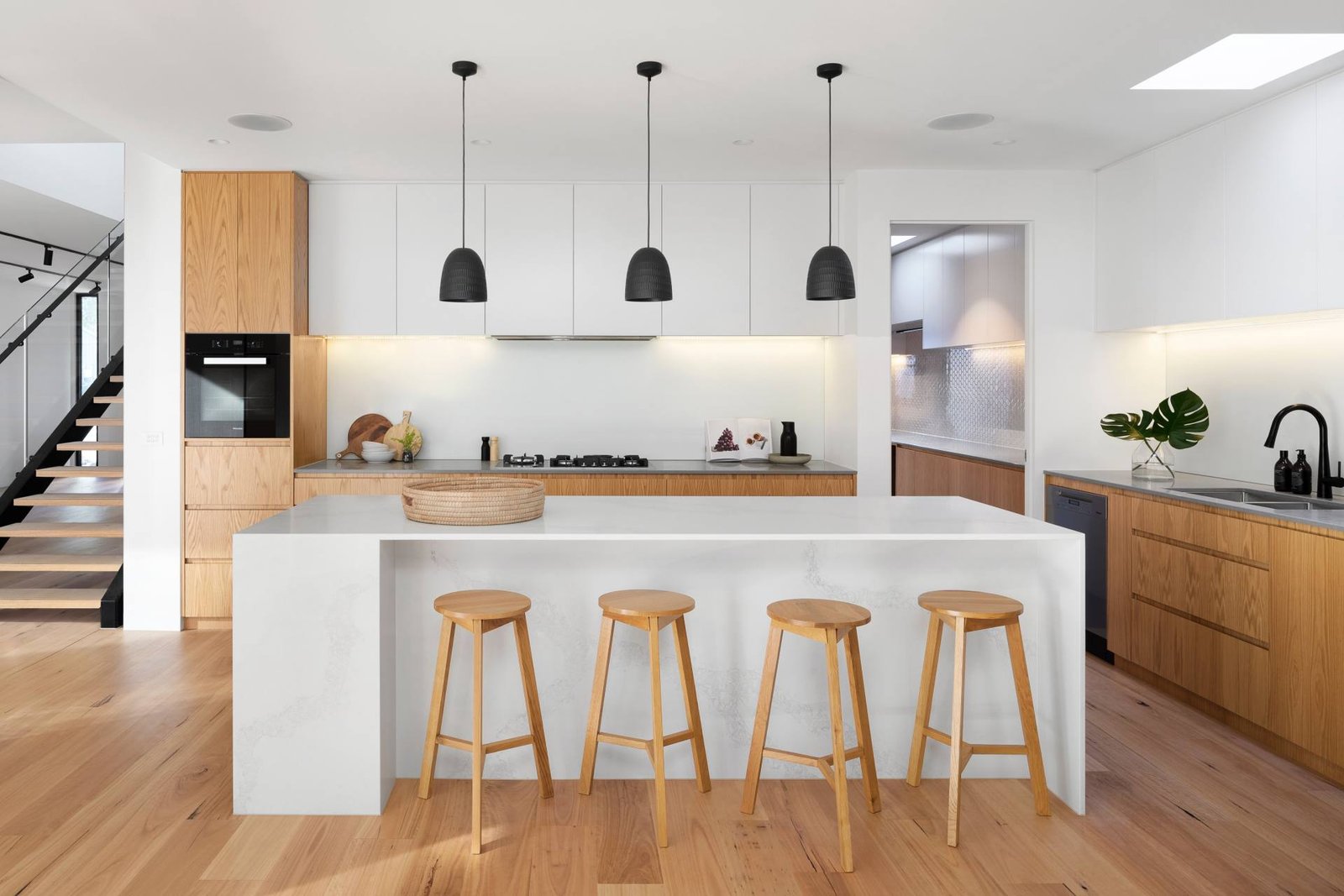
Finally, white kitchen cabinets are here to stay. The starkness of all-white may be overshadowed by the warmth of a butcher-block countertop or a darker floor, making a space more inviting for everyone. For your island or bottom cabinets, go with a creamy white like Sherwin Williams’ Snowbound and accent it with a blue or green!


Best Paint Choice for Condos and Apartments

The most popular colors for interior and exterior painting change from year to year. The 1940s were all about red, while the 1950s were all about turquoise/mint. In the 1960s, vivid green was the go-to hue, but in the 1970s, a more mossy green became the go-to color. The 1980s were all about mauve, while the 1990s were all about purple. We’ve seen tastes change from light blue to gray over the previous several decades, but most lately, we’ve seen a return to blues.

When it comes to painting your condo or apartment, there are things you should do and things you shouldn’t do, just like with any home improvement job. There are several factors to consider when choosing a color scheme, however the following information might assist you.

When it comes to color palettes, there are a few guidelines to follow. Except for the most trusted design specialists, you should follow these guidelines: 60:30:10.

In order to prevent making color combinations that don’t work, you need to know this ratio. Throughout essence, you’re deciding on a dominating hue that will be utilized in at least two-thirds of the area in your apartment or condo.

A color that complements the primary color without dominating it should be your choice for the secondary color in your scheme/combination. You’ll need to use half as much paint with this hue as you did with the primary one. If you’re going to utilize a third color, it should be an accent color. While it will bring a little “pop” to the area, the accent color is not intended to be overpowering.

Colors for the inside of a home

For owners and administrators of apartment and condominium complexes, selecting the proper paint colors may be a difficult task. When it comes to selecting a paint color, there are a plethora of alternatives to consider, as well as other details specific to each house (s). However, there are a few hues that seem to be a safe bet for most people since they fall within their preferences.


White Dove, White Heron, Swiss Coffee, and Calm are some of the most popular Benjamin Moore paints in neutral tones. You may choose the colors of your unit based on what is around you. With natural wood cabinets, for example, you’d select a hue that complemented the color of the cabinetry.


A good painting contractor is essential once you’ve decided on the proper colors for your home’s inside. Professional painters get the work done quickly, effectively, and with results that no do-it-yourselfer can come close to achieving. The investment is well worth it.


Colors for the outside walls

Exterior paint color decisions in apartment and condo buildings are generally made to avoid being either excessively gaudy or dull. The design of the property will play a large role in determining the color palette, but the neighborhood and the preferences of the existing and future inhabitants will also play a role.

Choosing brighter colors may make a smaller structure seem bigger. Line or ivory may be a better option if white is too glaring.

In addition to using dark hues sparingly on the outside, consider doing so on the shutters, doors, and trim. Also, darker hues might be employed to disguise minor defects in the building’s appearance.

It doesn’t matter what colors you pick as long as you get them painted by a reputable painting contractor. Even if you chose the ideal color scheme, you’ll receive no advantage from it if it isn’t implemented properly.

You should experiment with different color schemes in your condos.

To create a certain atmosphere in a space, you need to think about the colors you want to use. If you want to keep things neutral, you may use any mix of beige tones while adhering to the 60:30:10 ratio, if you choose. Gray and brown come in a variety of tones that might also be considered neutral.

Do you want to add some coziness to your abode? It works because they are more bright, make a room stand out a little more, and excite the brain a little more. Colors like sapphire and mustard may be utilized in more daring ways, but they should be used sparingly since they may not appeal to everyone. Royal blue and orchid are a fashionable color combination these days, and they look great in certain kitchens.

Consider using mint and soft gray to brighten up a room. If you’re decorating a kitchen or another area with little natural light, this combo would look fantastic.

Why you should Paint the exterior of your warehouse


Compared to other kinds of structures, the outside of your warehouse may be less of a priority when it comes to routine maintenance and aesthetics. The external walls of some warehouses are overlooked or ignored by owners because they exhibit little or no damage. A solid business option is to paint the exterior of your warehouse since it is beneficial to its appearance and durability.

Take Maintenance Seriously

First and foremost, paint serves as a barrier against a variety of damaging factors. Protecting your warehouse from the sun’s rays, wind, and the elements is made easier with a coat of paint! To keep your warehouse’s outside in good condition, you need to regularly repaint your building’s walls. Keep in mind that if you neglect to maintain the outside paint of your warehouse you are increasing the likelihood you’ll have to spend more money on repairs in the future.

Prevent rust

Metal siding has numerous advantages, such as durability and ease of maintenance, but it also exposes your warehouse to the risk of rusting from the elements. Rust is a persistent hazard to any metal that is utilized on the outside of a structure.

Rust is caused by oxygen and moisture corroding the steel or iron in your metal siding, which weakens the bonding and makes your siding less durable. By painting your metal siding, you may help protect your home from moisture and keep the metal from deteriorating over time.

Insist on preserving the structural integrity of any exterior material

Sun, dampness, and other harsh weather conditions may damage the block or tilt up concrete façade of a warehouse or other structure. Using paint over concrete has various advantages, including enhanced water and ice resistance, temperature resistance (both hot and cold), mold, mildew, and insect proofing, as well as improved aesthetics.

To keep concrete walls and floors structurally sound and functional, paint is more than just an aesthetic choice. It has a practical purpose as a preventative measure.

Involve Your Employees in the Decision-Making Process

When it comes to employee motivation, the workplace environment has a significant impact. The productivity of your workers may be improved and sustained if you continuously clean and maintain your warehouse as a pleasant working environment..

Don’t Let Your Guard Down When Meeting New People

A good first impression is something that every company owner understands. Some companies focus on making a strong first impression at the front office, but overlook the aesthetics of their warehouse. As a result, keeping your warehouse might be a terrific way to show off your company to potential customers. A clean, well-kept warehouse may make a good first impression on customers or investors.

When it comes to a building’s appearance, it may reveal a lot about its internal organization. Your project will be completed to your strict requirements thanks to a team of experienced specialists and cutting-edge technology at our disposal.

When it comes to warehouse and building renovations, contact us at Luckypaintingltd for a no-obligation quote. A walk-around inspection will be conducted by us and our results will be presented to you right away. We’ll present you with a strategy for enhancing your warehouse so that you may reap the advantages for years to come.

Modern Tips on How to Keep Your Commercial Property in Shape

There are many things that property managers need to keep track of in order to keep up with building upkeep in the modern world. Consistent inspections of buildings are essential for spotting and repairing problems before they become major problems. To keep your commercial property in good working order for as long as possible, it’s critical to have frequent inspections and to prepare ahead of time for any necessary repairs.


Repairs

Over time, buildings with a lot of traffic and usage are more prone to suffer from deterioration. Preventing minor faults from becoming major ones requires regular inspections. In addition to the structure itself, an inspection should look at the landscape, parking area, and roof as well.

Floor and wall damage is widespread in areas that are frequently used. A little consideration is all that is needed to protect these surfaces from heavy machines using epoxies and other special coatings. As a structure becomes older, it’s normal to see little fractures appear. Even the tiniest flaws need to be addressed soon, or they will develop into something much more serious. There may be underlying issues with the foundation if cracks are emerging on a regular basis.

Roofs should be inspected often, especially after major storms. The roof should be repaired as soon as possible if there are any leaks or damage, in order to keep the structure safe. Metal roofs may also be vulnerable to rust and UV damage, so regular inspections and the application of protective coatings can help keep your roofing material in peak condition.

Frequently inspect the structure for mold, mildew, or dry rot, particularly in locations where ground exposure or water buildup represent a larger danger. The harm caused by fungi and rot may be reduced and even avoided if you catch it early enough. As soon as mold or mildew is identified, the surface should be cleansed or removed, and the region coated with a long-term protective covering. To avoid further problems, it is necessary to repair and cure any rotted areas.

Air conditioning leaks are often the blame for mold issues. In order to avoid this, it is crucial that the HVAC systems be checked on a regular basis. In addition to looking for leaks, it’s important to look for signs of wear on the system, which might lead to overheating or burnout. Maintenance of this system is essential to ensure the well-being and safety of those who occupy the building.


The plumbing system should also be inspected on a regular basis since it is prone to breakdowns. A little leak may soon escalate to major damage and the growth of mold, which can be quite dangerous. To make sure the system lasts as long as possible, any problems that are discovered during routine inspections should be addressed very afterwards. Consider replacing pipes and other critical pieces while repairing or restoring an older building.

Safety

The safety of your business facilities and their occupants is of the utmost importance, and frequent safety checks should be done. A building and its occupants are at risk from a variety of hazards, including fire, insufficient building security, and natural disasters.

There are a number of issues that need to be addressed to guarantee fire safety. Electrical fires in business buildings are often caused by outdated wiring. As a result, a yearly inspection of the electrical system, which includes the wiring, breakers, and appliances, is highly advised. Receptacles that have become discolored or damaged should be swapped out right away.

Local building regulations should be followed while installing smoke alarms. Keep an eye on them on a regular basis, and change the batteries once a year at a minimum. It’s also an excellent time to look for any fire dangers or obstructions to fire exits during monthly fire alarm checks. Inspect and recharge fire extinguishers on each level of the building to ensure that they are functioning properly and as instructed by the manufacturer. If your facility is located in an area with strict fire safety and prevention standards, follow those guidelines.

In addition to safety, renters and landlords are also concerned about security. For the protection of your facility and the things and people within it, you should put money into a modern security system with cameras, motion detectors, and remote system access. Consistent testing is necessary to guarantee that the system functions effectively and that your firm is using the newest security technology improvements.


It’s easy to forget about the weather while thinking about how to keep a building safe and its occupants secure. Roofs, eaves, and windows may all be damaged by severe weather, such as strong winds or a lot of snowfall. Protect the building from the elements by treating the roof and external walls after each weather event and making sure they are not harmed. Weather conditions may also have an impact on the grounds, parking lot, and pedestrian paths. Make a strategy for winter weather occurrences, such as snowfall. Make sure you have procedures in place to remove snow and ice from walkways and parking lots.

Cleanliness

As a first line of protection against wear and tear, thorough cleanings are critical. Keeping a building’s exterior and interior clean is essential to its overall appearance and function. Cleaning services for bathrooms, windows, and floors should be hired on a regular basis since these are the kinds of places that accumulate grime rapidly. Depending on how much use the carpet receives, you should get it cleaned every 4-6 months to eradicate allergens and keep the room appearing neat and tidy.

To keep them looking their best, clean and repaint the walls on a regular basis. Depending on the usage of the room, this may entail scrubbing the walls using a cleaning solution on a regular basis. For example, in a medical or industrial setting, this is less of a consideration. External walls might benefit from yearly or semiannual power washing to keep grime and debris at bay. In order to keep the quality high, you can plan to repaint interior walls every two to three years and external walls every three to five years.

Pest infestation is one of the most difficult problems to deal with in a structure, and the best technique is to avoid problems before they arise. Consult with a pest control specialist on a regular basis about how to avoid future infestations.

Renovations

Code compliance should have been guaranteed when your business building was first constructed, but conditions have undoubtedly altered since then. It’s imperative that property managers remain on top of the latest changes in building codes and limitations, particularly when it comes to renovations. It’s imperative that you stay on top of local building rules and make necessary improvements to guarantee that your home is always up to date and compliant.

Assume that your building will need frequent upgrades to keep it appearing fresh and appealing rather than shabby. To make your building seem more current and well-maintained, speak with an interior designer or a professional painter about possible color or design modifications.

Always keep an eye on your building’s energy efficiency while making changes or upgrades to it. Improve the energy efficiency of a building by switching out inefficient lighting fixtures, replacing old doors and windows with more energy-efficient ones, replacing broken windows and roofs with newer, more energy-efficient roofing materials, or installing more energy-efficient HVAC or security systems. Renovate or replace aging systems, such as water heaters, pipelines, and other components, when funds allow. Before you are obliged to replace old, damaged gear, look for firms that you can collaborate with to acquire new equipment.

Make sure your external design features wide, clean paths and modern, well-maintained landscaping to raise your property’s curb appeal. When customers or prospective customers see a well-kept façade and attractive landscaping, they’re more likely to become regulars. When it comes to caring for the plants and trees that surround your business, go with a trusted landscaping firm. Landscape experts can assist you choose the right plants and designs for your area’s environment. Regular sprinkler system inspections should be performed by your landscaper to ensure there are no leaks or other problems that might lead to building damage or expensive repairs.

A business facility demands a lot of time and effort to maintain. These four areas – property damage, safety, cleanliness and significant improvements – might help alleviate some of the stress of dealing with it. By concentrating your efforts in this manner, you can ensure that your building is always shown in its finest light. Use a checklist and reminders on your calendar to make sure you don’t forget to do regular inspections and maintenance.

It’s reassuring to know that you aren’t on your own when it comes to maintaining a business property. We, at Painter’s Inc., are here to assist you! Commercial, industrial, and HOA buildings may rely on our cleaning and painting services. In every project we take on, our team leaders guarantee that we complete it on time, within budget, and to the satisfaction of our customers. To set up a free examination, please contact us today.

How to Paint your Hotel, Restaurant and Hospitality Business Place

Regardless of the size or scope, painting a house is a major undertaking. For every house or company, there are distinct issues to overcome and needs to meet. However, there are certain enterprises that need more care and attention. Hotel and restaurant painting takes more thinking and preparation than other types of painting. A painting contractor for your hotel, motel, or restaurant should take the following factors into mind while bidding on the project.

Create a Painting Blueprint that doesn’t put business at risk

Some company owners ask whether closing their doors during cleaning and painting is the best option while having their commercial facility painted. If you plan and coordinate with your contractor, you should be able to minimize the impact of the work on your normal business hours.

Having the painting done after business hours is a typical and understandable request from companies. If you are unable to finish the task in that time limit, then altering the hours of your business should be sufficient.

It might be as easy as painting a piece of the building at a time with a hotel or motel. It’s possible to have visitors every night while yet gradually repainting your hotel using this strategy. Guest safety is assured by enclosing sections that are currently being painted. As soon as the regions are dry, fresh construction may begin in their place. Painting may be accomplished with little to no disruption to your company if proper planning and preparation are used.

Secondly, there are additional precautions and rules to adhere to.

Generally, hotels and restaurants have higher foot traffic than offices, especially foot traffic from non-employees. As a result, your painter will have to take additional care to do the job in a safe and professional manner.

When working on a project that will see a lot of foot traffic, it’s critical to have experience painting high-traffic areas like kitchens and hotel rooms. In addition, your painter must ensure that any items in the rooms they are painting are either covered or removed. Hire a contractor that will observe all safety requirements and keep your workplace safe while the job is underway.

Safety precautions

In addition to the usual precautions that a company owner might take while having their property painted, painting contractors must adhere to industry standards and norms. In order to safeguard you, your workers, your property, and the painting and decorating contractor you select, the Painting and Decorating Contractors of America (PDCA) has developed a set of guidelines. Check to see whether your painting contractor adheres to the PDCA guidelines before using them for your next painting job.

Aside from ladder safety and fall protection, PDCA requirements also require that you use the right materials and equipment for your company. If you’re having work done in a kitchen, be careful to cover everything and remove any food before the painter begins. These kinds of paint may be used to eliminate the “new paint” odor in settings such as hotel rooms and restaurants. Your project’s PDCA contractor will see to it that all of these steps are taken.

Painting your hotel or restaurant is a big decision that should not be taken lightly. In addition, the look of your hotel, restaurant, or other service company has a direct influence on your customer and, eventually, your firm’s success.

At Lucky Painting Limited, we are driving by a different kind of passion that places your individual expected painting outcomes into scope, focusing on your painting objectives even to the smallest of details. We can transform your hotel, restaurant and business face to tell your brand story and upshot sales through thoughtfully crafted painting.


How to Get Your Home ready for the holiday


We are in full gear with the festive season! Many families will be spending the Thanksgiving holiday together at home this year. Whatever the scale of your Christmas gathering, make sure that your house is ready for all of your visitors and looking its best. You don’t have to wait until your visitors arrive to make your house ready for the holidays; just follow these easy procedures.

Get Your House in Shape for the New Year with a Clean.

Getting your house in order is usually an excellent place to begin. Your area will seem more open and spacious if you spend some time decluttering it. You don’t have to get rid of anything that’s taking up room, but if you do, make sure that everything you decide to retain is out of the way of your visitors when they arrive.

De-cluttering is followed by comprehensive cleaning. If your in-laws or parents-in-law are coming to visit, cleaning the house can help you create a good first impression and set the tone for a fun celebration. While you can clean everything in one day, it is frequently faster and less daunting to split the duties down and perform them in the lead-up to the event. A Christmas party is stressful enough without having to worry about cleaning the day before all of your surfaces and surfaces in and around your house. Don’t forget to leave some room in your fridge for those leftovers.

Make a Winter Wonderland Décor

You may now decorate your house for the holidays after the debris and cleaning has been dealt with. No matter what holiday you’re celebrating, a few well-placed decorations may go a long way toward establishing the tone. It’s entirely up to you how you design your home, and it’s a terrific way to get the whole family involved in the process.


Make Arrangements to Receive Visitors

It’s a huge difference between getting your house ready for company and your normal daily routines. For the holidays, if you know you’ll be hosting guests, make sure your house and shared spaces are ready. In order to have a pleasant stay away from home, it is important to have a supply of towels, blankets, pillows, and amenities in the room.

Set the Scene with a Few Festive Aromas

For the holidays, it’s also important to get the scent exactly perfect. When it comes to setting the mood for the holidays, there is no shortage of smells to pick from. Whether you’re looking for an autumn pumpkin spice candle or a winter peppermint candle, there are a plethora of options available. For your visitors, make sure the perfume you chose isn’t overwhelming at all.

Take a Look at a New Coat of Paint

The outside and interior of your house should be in peak condition at all times. It’s time to give your home a facelift! Giving your home a new coat of paint for the holidays is a great way to make an impression on your guests and give your house a makeover while also serving as a present that goes on giving. A fresh coat of paint will look fantastic for years to come and even safeguard your family.

When is the best time in the year to paint your home and workplace?


The quality of a paint work, especially on outside surfaces, may be affected by weather conditions. Painting projects are affected by a variety of weather conditions, including hot summers and cold winters, dry days and rainy da  ys, high humidity and low humidity. Even while we know the best and worst times of year to paint, we also have the equipment and expertise to provide excellent results no matter what time of year it is.

Aside from the time of year, your local climate has a role in determining the optimum time to paint your home’s interior or exterior. You may want to hire a painting team in spring when there aren’t as many trees in the way, rather than in summer, when the foliage gets in the way and impedes their ability to complete their work.

In addition to the time of year, the kind of paint used to paint the inside might have an impact on the ideal time to paint the interior. You don’t want to use oil or solvent-based specialty paints during the winter months since they emit a lot of fumes, so you should avoid doing so (super hot summer days or bitter cold winter days and nights). The best time to paint your home’s exterior or interior depends on several factors, all of which may be discussed with your painting contractor.

It takes longer for paint to cure when there is a lot of moisture in the air (humidity). How quickly paint dries depends on the temperature. Temperature and humidity have an influence on paint quality, which is why reputable painting contractors take precautions to minimize these effects.

When it’s chilly outside, paint thickens, which means that the paint never dries and you run the chance of seeing lengthy lines and/or wrinkles in your paint. In addition, paint application is more difficult in the winter. Although Benjamin Moore and Sherwin-Williams have created formulations for some of their paints that enable painters to complete their job in temps as low as 35 degrees, most paint manufacturers suggest painting in temperatures between 50 and 90 degrees.

Overheated conditions cause paint to dry too quickly, resulting in bubbles and creases. A lack of time to allow the paint’s bonding qualities to perform their intended function results in wrinkling and bubbles or blistering. When the surfaces are exposed to direct sunshine, this is particularly true.

The amount of moisture in the air affects how paint clings to a surface. You’ll see bubbling and peeling paint in regions where there is a lot of moisture in the air, for example, when the humidity is high.

In order for paint to attach to surfaces, a humidity level of between 40 and 70 percent is ideal.

It’s not usually the consequence of heat, humidity, or age that causes paint to crack or blister; it might be because the paint was put on a windy day. If you’re painting in the wind, the paint dries too quickly and doesn’t stick correctly to the surface.

Hiring a professional painting company  is your surest bet to making the right painting decision irrespective of the weather conditions at the time of painting. You should call us on (+1)403-891-4138 today for free professional advice and quote. 

The Best Ways to Clean Vinyl Plank Flooring

The Best Ways to Clean Vinyl Plank Flooring

Vinyl flooring is one of the most popular flooring options because of its versatility and affordability. It’s attractive, versatile, long-lasting, and available in practically any pattern or design to flawlessly resemble other materials. It’s also affordable! Vinyl is a popular flooring option for both residential and commercial properties since it is made of PVC and a variety of different chemicals.

In contrast to many other kinds of flooring, this one is scratch and water resistant, so it’s easy to work with. As a result, these advantages make cleaning and maintaining vinyl flooring a snap! However, there is a proper and incorrect technique to clean the material, and you don’t want to wind up performing the wrong one! Cleaning and maintaining vinyl plank flooring correctly can ensure that it looks great for many years to come!

Tools you need for Vinyl Cleaning

Vinyl floors are well-suited to most equipment and cleaning solutions due to their long-lasting resilience and water resistance. If you’re going to get the greatest results, you’ll need to know what is and what isn’t safe to clean with. To find out more, continue reading.

To Maintain a Clean Environment

There is no need for specific cleaning equipment or supplies in families where the floor is cleaned daily or weekly. The following advice will help you get the most out of your normal cleaning tools/cleaners on vinyl plank flooring:

Vacuum Cleaner

Although vacuuming vinyl is okay, utilizing accessories such as a beater bar that is meant for carpeting is not. Vinyl planks should be vacuumed with a normal brush attachment to remove small dust and dirt.

Mop heads

Cleaning vinyl flooring with a dust mop is simple and fast because to the material’s silky smooth surface. Cleaning on a daily or light basis is a great application of this product.

Thick Mop Heads

Brooms with soft bristles and dustpans are ideal for cleaning vinyl floors. As a result, avoid using them to sweep up dust and debris since they might create microscopic scratches on the surface of the material if used too vigorously.


Cleansing at the Depths

While vacuuming and sweeping may do for a basic clean, the sort of mop and floor cleaner you use will make all the difference between mediocre cleaning results and a spotless, stain-free vinyl floor.

Here is a list of the best cleaning equipment and products for vinyl plank flooring:

Mop the Floor with A Spin Mop

Because vinyl flooring is water-resistant but not waterproof, a spin mop is the best cleaning tool to use. Spin mop heads come in a range of materials and are simple to wring. When it comes to cleaning vinyl floors, microfiber and nylon spin mops come highly recommended.

Spritz the floor with a hose

Water and floor cleaning are never a concern with a spray mop since they are cleaned up as soon as you sprinkle the floor. Spot cleaning vinyl planks has never been easier, thanks to this simple-to-use product.

Homemade Vinyl Floor Cleaner

Simply diluting vinegar in water and adding an essential oil of your choice may be used to safely clean vinyl plank floors. Adding a few drops of dishwashing liquid might help remove tough grease and stains from your floor if it’s particularly grimy; however, cleaning vinyl flooring with dish detergent on a frequent basis can create a residue or buildup on the surface.

Cleaner for Industrial Vinyl Surfaces

Vinyl plank flooring may be cleaned using a variety of professional materials. You may use them to thoroughly clean vinyl once a month since they are so effective.

Guide to Cleaning Vinyl Floor

Knowing what to use and not to use while cleaning vinyl flooring is now a whole lot easier with the knowledge you’ve gained from this article. The only thing left to figure out is the proper order in which to clean the surface. To do so, please follow the following instructions.

1 Remove Surface Debris

Knowing what to use and not to use while cleaning vinyl flooring is now a whole lot easier with the knowledge you’ve gained from this article. The only thing left to figure out is the proper order in which to clean the surface. To do so, please follow the following instructions.

  1. Choose the appropriate cleaning solution

If you’re looking for a fragrant cleaning solution, combine 1 cup apple cider vinegar with 1 gallon of water and 5-10 drops of your favorite essential oil. Give the mixture a good toss before using. Store-bought vinyl floor cleaners are an option for light and extensive cleaning, but be sure to choose one that’s made for your finish type. If your vinyl is wax-coated, for example, look for a cleaning agent made specifically for wax finishes.

  1. Get the floor mopped

When cleaning vinyl plank flooring, the only guideline is to avoid over-saturating the material. Some broad rules of thumb are necessary to get the greatest outcomes. You should always start at the farthest corner from the exit to avoid walking over freshly mopped or damp areas of the floor; discard the water when it appears dirty and use a new batch of your cleaning solution; and pay extra attention to stubborn stains or marks by using more elbow grease when necessary.

  1. Rinse the Floor

When it comes to cleaning vinyl flooring, this is a crucial step that many people overlook. When cleaning solutions are left on a vinyl surface, a film forms over the material, making the floor seem dull even after it has been well cleaned. Simply cleaning the floor with a clean mop wet with simple water can prevent this problem. A clean cloth is all that is needed to polish the vinyl floor to a high shine.

The Best Way to Clean Window Sills


When you open your windows to allow some fresh air in, you can count on a little bit of dust and dirt to accompany it. Your window sill is one of the first places these particles land once they’ve made their way throughout your home. Glass, flower pots, and other household utensils leave fingerprints, stains, and rings all over the inside surfaces of these items.

A filthy window sill is an eyesore and a health hazard, especially because it is a regularly touched area in the house. When it comes to your window sill, cleanliness and sanitation are essential.

There are times when the external window sill is overlooked by homeowners since it is generally dirtier than the inside sill. With that in mind, Lucky Painting Limited offers a solution for cleaning both inside and exterior window sills!

Here are some easy, step-by-step instructions on how to clean the window sills in your home.

Window Sills: Interior Cleaning

Window sills may be cleaned quickly and easily. A spray bottle, some liquid dish soap, and some clean microfiber towels are all you’ll need. As soon as you’ve collected these objects, go outside and follow these instructions:

Make sure the window treatment is out of the way and that the window sill is clear of any ornamental objects. Because dust and debris are certain if you haven’t cleaned the sill in some time, the first step is to wipe it thoroughly. This may be accomplished using a microfiber dust cloth.

Fill the spray bottle with 2 cups of water and a few drops of dishwashing detergent to make your cleaning solution. Shake vigorously before closing the container to ensure that the soap and water are well combined. Using warm-hot water and adjusting the intensity of the cleaning solution as required can work better on extremely filthy or greasy window sills.

Spray the cleaning solution on a clean micro-fiber cloth (just enough to dampen it). If the sealant on your wooden window sills has cracks in it, don’t use a soaked towel since it might harm the wood. The same is true for painted surfaces, which may be damaged or faded by moisture, depending on the kind of finish.

The wet cloth may be used to thoroughly wipe your window sill. With tenacious stains like adhesive residue, muck, or smudges, use additional pressure to scrape them away. You may also need a little extra cleaning solution, but you should wait for the surface to dry before trying a deeper clean if you are going to dampen the cloth more (unless, of course, it is a water-resistant material).

The next step is to wipe off the window sill with a dry, clean towel after you are pleased with the cleaning job. Especially if you have a wooden window sill, this is essential since any moisture that can be absorbed from the surface will help speed up the drying process of the material.

Cleaning your window sill on a regular basis can help keep it free of tough stains and filth. A weekly wipe down with a disinfectant and moist cloth will maintain the surface clean and hygienic for a longer amount of time than just dusting it.

Window Sills: Exterior Cleaning

Because it is difficult to see from within the home, the outside window sill is often neglected. It’s only when you’re looking out the window that you can notice just how filthy the exteriors are! However, you shouldn’t let the state of your external window sills slip your mind just because they are out of sight and out of mind. You don’t want dirt and dust gathering on the outside of your windowsills, which can ultimately blow inside your home!

However, with the correct cleaning products and procedures, even the dirtiest of window sills may be restored to their former glory. Take a look at the strategy outlined in detail below the break for additional information.

Sweep the outer window sill clean with a small whisk broom or medium-bristle cleaning brush.

If you see a lot of dust on the surface, wipe it off with a dry cloth. Use a clean, moist towel to do a second wipedown after the first.

Scrubbing away stubborn dirt and grime will follow the removal of dust and loose debris. Baking soda and liquid dish soap should be blended with 2-3 cups of water to create the somewhat abrasive cleaning solution needed. Before using it, mix the solution well.

Using a medium-bristled cleaning brush, scrub your outside sills from left to right with the solution. In certain cases, further effort may be required to remove stubborn stains and filth. Continue cleaning as necessary, rinsing the brush off after each use.

Using a damp towel, wipe away any soap suds that remain after scrubbing. You may now inspect the surface to see if there are any areas that were overlooked during the brushing process. Then wash the surface off and repeat step ‘4’ if necessary.

To prevent dust and grime from sticking to the surface, wipe the outer window sill dry.

Cracks, faded paintings and other damages are not uncommon with window sills. We at Lucky Painting Company have the best team to help repair and repaint your window sills like they never went bad.

Best Colors for Kitchen Cabinets


Best Colors for Kitchen Cabinets


Want a new look for your present kitchen but aren’t sure where to start? Forget about a complete makeover. Consider painting your kitchen cabinets a different colour to see if it helps Cabinets take up a lot of room in the kitchen and force you to spend a lot of time staring at them. You’ll quickly tire of them if they’re painted a colour you don’t like.

It might be difficult to pick the correct colour for kitchen cabinets, but there are several options.

Consider the other things and colours in the space before making a bold choice in colour. The walls, countertops, backsplashes and floors of your kitchen are all part of the picture. Make sure that your cabinets are white or neutral to match the rest of the room’s decor. Many hues of white are available, but they all have the same effect of making your area seem bright and new.

A gloomy space might benefit from the addition of white cabinetry. Light gray, dark gray, and greige are all terrific options for neutral kitchen cabinet colours (a mix of gray and beige). As a result of the neutrality of these hues, you’ll be able to use them as a base for more vibrant accents and furnishings.

If you want to experiment with colour, your kitchen cabinets are a terrific place to start. A soft buttery yellow or a pastel lemonade colour is two popular choices for cabinetry in the kitchen. The hue sky blue is very popular for kitchen cabinets and walls. It can give off an airy, ethereal feel.

A bold statement may be made with cabinets painted in darker shades, including cranberry red and navy blue. However, these colours work best in big rooms since they can darken smaller ones. Make sure to utilize white walls and lighter accents if you’re using them in a small kitchen.


Any colour you like may be used for kitchen cabinets. Create two-toned cabinets if you’re inclined to both neutrals and brighter hues. To assist stabilize the room; choose a lighter hue on top and a darker one at the bottom. With white or gray cabinets on top and yellow, blue, green, or red cabinets on the bottom, you may create a vibrant colour scheme in your kitchen. A bold statement may be made with cabinets painted in darker shades, including cranberry red and navy blue. However, these colours work best in big rooms since they can darken smaller ones. Use white walls and lighter accessories to counterbalance them in a small kitchen.


When it comes to kitchen cabinet colours, the sky is the limit. Create two-toned cabinets if you’re inclined to both neutrals and brighter hues. To assist stabilize the room; choose a lighter hue on top and a darker one at the bottom. With white or gray cabinets on top and yellow, blue, green, or red cabinets on the bottom, you may create a vibrant colour scheme in your kitchen. White and stainless steel accents make the room seem fresh and modern. There are a lot of ways to incorporate mint or blue-greens into your kitchen cabinetry.

Finally, white kitchen cabinets are here to stay. The starkness of all-white may be overshadowed by the warmth of a butcher-block countertop or a darker floor, making a space more inviting for everyone. For your island or bottom cabinets, go with a creamy white like Sherwin Williams’ Snowbound and accent it with a blue or green!