27552329865_10e4756e7b_b

Painting Kitchen Cabinets: Is it a Good Idea (Pros and Cons)

Painting your kitchen cabinets can be a great way to give your kitchen a fresh, updated look without spending a lot of money on a full remodel. However, painting cabinets is not without its drawbacks. In this post, we’ll explore the pros and cons of painting your kitchen cabinets to help you decide whether it’s the right choice for your home.

Pros of Painting Kitchen Cabinets

Cost-effective

Painting your kitchen cabinets is a cost-effective way to update your kitchen. It is much less expensive than replacing your cabinets entirely. You can achieve a whole new look for a fraction of the cost of new cabinets.

Quick and easy

Painting your cabinets is a relatively quick and easy process. It can usually be done within a few days, depending on the size of your kitchen. You can have a fresh, updated look in no time.

Customizable

When you paint your cabinets, you have complete control over the color and finish. You can choose any color you want and create a customized look that matches your style and preferences.

Sustainable

Painting your kitchen cabinets is a sustainable option. By repurposing your existing cabinets, you can avoid adding to the waste stream and reduce the demand for new materials.

Increase the value of your home

Upgrading your kitchen is one of the most effective ways to increase the value of your home. By painting your kitchen cabinets, you can give your kitchen a fresh, updated look, which can increase the perceived value of your home.

DIY Project

Painting your kitchen cabinets is a DIY project that many homeowners can tackle themselves. With the right preparation and techniques, you can achieve a professional-looking finish and save money on labor costs.

Easy to maintain

Painted kitchen cabinets are easy to maintain. You can simply wipe them down with a damp cloth to keep them clean. If you choose a high-quality paint and apply it correctly, your cabinets should be durable and long-lasting.

Overall, painting your kitchen cabinets is a great option for homeowners who want to update their kitchen without breaking the bank. It is a cost-effective, customizable, and sustainable way to achieve a fresh, updated look.

Cons of Painting Kitchen Cabinets

Time-consuming

Painting kitchen cabinets is a time-consuming process. It involves a lot of preparation work, such as cleaning, sanding, and priming, before you can even begin to apply the paint. Depending on the size of your kitchen, the process can take several days or even weeks to complete.

Labor-intensive

Painting kitchen cabinets is a labor-intensive process. It requires a lot of manual labor, such as sanding, painting, and applying multiple coats of paint. If you are not comfortable doing this type of work, you may need to hire a professional, which can add to the cost.

Not as durable as new cabinets

Painted cabinets are not as durable as new cabinets. The paint can chip or peel over time, especially in high-traffic areas like the kitchen. If you have young children or pets, your cabinets may be more prone to wear and tear.

Limited color options

While painting your cabinets does offer a range of color options, the choices are still somewhat limited compared to new cabinets. If you want a specific color or finish, you may not be able to achieve it with paint.

May not match other kitchen elements

If you paint your cabinets, they may not match other elements of your kitchen, such as your countertops or backsplash. This can create a disjointed look that may not be aesthetically pleasing.

Can be difficult to achieve a professional-looking finish

Achieving a professional-looking finish when painting your kitchen cabinets can be challenging. It requires careful preparation and application techniques, which can be difficult to master for the average homeowner.

Can be difficult to undo

Once you paint your cabinets, it can be difficult to undo the process. If you change your mind or want to sell your home in the future, you may need to invest in new cabinets, which can be expensive.

Overall, while painting your kitchen cabinets can be a great way to update your kitchen, there are some potential drawbacks to consider. It is important to weigh the pros and cons before deciding whether to paint your cabinets or invest in new ones.

Tips for Painting Kitchen Cabinets

If you’re considering painting your kitchen cabinets, it’s important to choose the right paint and materials for the job. With so many options available, it can be overwhelming to know where to start. In this article, we’ll explore the best paint and materials to use for painting kitchen cabinets.

Primer

Before you begin painting your kitchen cabinets, it’s important to apply a coat of primer. Primer helps the paint adhere to the surface and prevents the wood from absorbing the paint. The best primer to use for kitchen cabinets is a high-quality oil-based primer. Oil-based primers are more durable and better at blocking stains than water-based primers. Additionally, oil-based primers are less likely to raise the grain of the wood, which can create a rough surface that’s difficult to paint.

Paint

When it comes to choosing paint for your kitchen cabinets, there are several options to consider. Here are some of the best types of paint for painting kitchen cabinets:

Acrylic paint

Acrylic paint is a popular choice for painting kitchen cabinets because it dries quickly and is easy to clean up with water. Additionally, acrylic paint is durable and resists fading and cracking over time. Look for a high-quality acrylic paint that is specifically designed for cabinets.

Oil-based paint

Oil-based paint is another good option for painting kitchen cabinets. It’s more durable than acrylic paint and has a smoother finish. However, oil-based paint takes longer to dry and requires solvents for cleanup, which can be messy and time-consuming.

Chalk paint

Chalk paint has become increasingly popular in recent years for its matte finish and vintage look. It requires little preparation work and can be applied directly to most surfaces without sanding or priming. However, chalk paint is not as durable as other types of paint and may require additional coats or a protective sealant.

Milk paint

Milk paint is a natural, eco-friendly option that is made from milk protein, lime, and pigment. It has a unique matte finish and is often used to create a distressed or shabby-chic look. Milk paint requires a bonding agent to adhere to surfaces like kitchen cabinets, and may require additional coats for full coverage.

Regardless of the type of paint you choose, it’s important to select a high-quality paint that is specifically designed for kitchen cabinets. Look for a paint that is durable, washable, and resists chipping, fading, and yellowing over time.

Brushes and Rollers

The type of brush or roller you use for painting your kitchen cabinets can make a big difference in the quality of the finished product. Here are some tips for choosing the right brushes and rollers:

Brushes

Look for high-quality, synthetic bristle brushes that are designed for use with the type of paint you’ve chosen. Avoid using natural bristle brushes, which can leave streaks and shed bristles. A 2-inch angled brush is ideal for painting cabinet frames and doors.

Rollers

For large, flat surfaces like cabinet doors, use a high-density foam roller. Foam rollers provide a smooth, even finish and are less likely to leave brush marks than traditional rollers. Be sure to choose a roller that is the appropriate size for your cabinets.

Sandpaper

Sanding your cabinets before painting them helps to smooth out any imperfections and create a surface that the paint will adhere to. Use a fine-grit sandpaper, such as 220-grit, to lightly sand the cabinets. Be sure to sand in the direction of the wood grain to avoid creating scratches or gouges.

Protective Coating

To help protect your newly painted cabinets from wear and tear, it’s a good idea to apply a protective coating. A clear, water-based polyurethane is a good choice for this purpose. It provides a durable, clear finish that resists chipping and scratching. Look for a polyurethane that is specifically designed for use on painted cabinets, as some types may yellow over time.

Preparation

Proper preparation is key to achieving a professional-looking finish on your kitchen cabinets. Here are some tips for preparing your cabinets for painting:

  • Clean the cabinets thoroughly with a degreaser or soap and water. Remove any dirt, grime, or grease from the surface.
  • Remove all hardware, including cabinet knobs and drawer pulls.
  • Use painter’s tape to protect any areas you don’t want to paint, such as countertops, walls, and floors.
  • Sand the cabinets lightly to create a surface that the paint will adhere to.
  • Apply a coat of primer to the cabinets before painting.

Tips for Painting Kitchen Cabinets

Here are some additional tips for painting your kitchen cabinets:

  • Work in a well-ventilated area to avoid inhaling fumes from the paint.
  • Use a high-quality brush or roller to achieve a smooth, even finish.
  • Apply thin, even coats of paint, and allow each coat to dry completely before applying the next.
  • Consider using a paint sprayer for larger areas, such as cabinet doors, for a smooth, professional-looking finish.
  • Be patient! Painting kitchen cabinets is a time-consuming project that requires attention to detail and patience. Allow plenty of time for each coat of paint to dry before moving on to the next step.

Conclusion

Painting your kitchen cabinets can be a cost-effective way to give your kitchen a new look, but it’s not without its drawbacks. While it’s a relatively quick and easy process, it can be time-consuming and labor-intensive. Painted cabinets are not as durable as new cabinets, and the paint can chip or peel over time. However, painting your cabinets can be a sustainable way to update your kitchen and increase the value of your home.

If you decide to paint your kitchen cabinets, make sure to choose the right paint and follow the proper preparation and application techniques. If you’re not confident in your ability to do a professional-looking job, consider hiring a professional painter.

In summary, painting kitchen cabinets can be a great option for those looking to update their kitchen on a budget. However, it’s important to carefully consider the pros and cons before making a decision. By doing so, you can ensure that you make the best choice for your home and your needs.

 

To paint a wall white

Painting Exterior Bricks: Pros and Cons of Painting Exterior Bricks

If you’re looking to give your home a new look, painting the exterior brick is one way to do it. Brick is a durable material that can last for decades, but it can also become dated and unappealing over time. Painting your brick exterior can breathe new life into your home and give it a fresh, modern look. However, like any home improvement project, there are pros and cons to consider before diving in. In this article, we’ll explore the pros and cons of painting exterior brick, so you can make an informed decision.

Pros of Painting Exterior Brick

The following are some of the pros of painting exterior blocks

Enhances Curb Appeal

One of the most significant advantages of painting exterior brick is the improvement in curb appeal. A fresh coat of paint can transform the appearance of your home and make it stand out from the rest. Painting your exterior brick allows you to personalize the color scheme and give your home a unique look. It can also increase the value of your home, making it more attractive to potential buyers if you decide to sell in the future.

Protects Against Moisture Damage

Brick is a porous material that can absorb moisture, which can cause damage to the brick and surrounding areas. Painting the brick can provide an extra layer of protection against moisture, preventing it from seeping into the brick and causing issues such as mold, mildew, or rot. This is especially important in areas that are prone to heavy rainfall or humidity.

Hides Imperfections

Over time, brick can become stained or discolored, and its surface can become uneven due to weathering or other factors. Painting exterior brick can help conceal these imperfections and give your home a fresh and polished look. It can also cover up any unsightly repairs that may have been made to the brick.

Cost-Effective Solution

Painting exterior brick can be a cost-effective alternative to replacing or re-stuccoing the exterior of your home. The cost of painting is significantly lower than the cost of replacing or re-stuccoing. It is also less disruptive to your daily routine, as the painting process typically takes less time than other home improvement projects.

Low-Maintenance

Painted brick is much easier to maintain than unpainted brick. It requires less cleaning and upkeep, as it is less prone to staining or discoloration. Additionally, the paint provides an extra layer of protection against weathering and fading, which can prolong the lifespan of the brick.

More Color Options

When you paint your exterior brick, you have an endless number of color options to choose from. You can select a color that complements the existing color scheme of your home, or you can choose a bold and bright color to make your home stand out. The color options are limitless, and you can find a shade that matches your personal style.

Painting exterior brick can be a great way to refresh the look of your home’s exterior and improve its value. It provides many advantages, including enhancing curb appeal, protecting against moisture damage, hiding imperfections, being a cost-effective solution, requiring low maintenance, and offering more color options. If you’re considering painting your exterior brick, it’s essential to hire a professional painter to ensure that the job is done correctly and to avoid any potential issues. Overall, painting exterior brick can be a smart and practical home improvement project that will give your home a fresh and updated look.

Cons of Painting Exterior Brick

The following are some of the cons of painting exterior blocks

Reduced Breathability

One of the main disadvantages of painting exterior brick is that it reduces the brick’s breathability. Brick is a porous material that allows moisture to escape, and painting it can prevent this natural process from occurring. This can cause moisture to become trapped within the brick, leading to issues such as mold, mildew, or deterioration over time.

Difficulty in Removing Paint

Once exterior brick has been painted, it can be challenging to remove the paint. Stripping paint from brick can be a time-consuming and expensive process, and it may cause damage to the brick in the process. This can make future repairs or updates more difficult and costly, as the brick may need to be replaced instead of simply repaired.

Maintenance Requirements

While painted brick may require less maintenance than unpainted brick, it still requires upkeep to ensure that it stays looking its best. Painted brick may need to be touched up or repainted over time to maintain its appearance, especially in areas that are exposed to harsh weather conditions. This can add additional maintenance costs over the long term.

Potential for Fading or Peeling

Over time, painted exterior brick may fade or peel, especially in areas that are exposed to direct sunlight. This can lead to a patchy or uneven appearance and may require touch-ups or repainting to fix. Additionally, the use of improper paint or application techniques can increase the risk of fading or peeling.

Decreased Resale Value

While painting exterior brick may improve the appearance of your home, it may not be the best choice if you plan to sell your home in the future. Many potential buyers prefer the natural look of unpainted brick, and painting it may decrease the resale value of your home. Additionally, if the paint job is not done correctly, it can be a turnoff to potential buyers and impact the value of your home negatively.

Limited Design Flexibility

Once you paint your exterior brick, it can be challenging to change the color or design. This is because the paint becomes an integral part of the brick, and removing or altering it can be difficult and expensive. This limits your design flexibility and may make future updates or renovations more challenging.

Painting exterior brick has many advantages, but it is important to consider the potential cons before making a decision. These cons include reduced breathability, difficulty in removing paint, maintenance requirements, potential for fading or peeling, decreased resale value, and limited design flexibility. If you are considering painting your exterior brick, it is essential to work with a professional painter to ensure that the job is done correctly and to avoid any potential issues. Ultimately, the decision to paint exterior brick should be based on your personal preferences and the specific needs of your home.

Tips for Painting Exterior Brick

If you’ve decided to paint your exterior brick, here are some tips to help you achieve the best results:

Clean the Brick

The first step in painting exterior brick is to clean it thoroughly. Use a pressure washer or a scrub brush to remove any dirt, debris, or mildew from the surface of the brick. Allow the brick to dry completely before proceeding to the next step.

Repair Any Damage

Before painting, it is essential to repair any damage to the brick. This may include filling in cracks, repairing mortar joints, or replacing damaged bricks. This will ensure a smooth surface for painting and prevent any further damage from occurring.

Use the Right Paint and Materials

When it comes to painting exterior brick, it is crucial to use the right type of paint and materials. Choose a high-quality, 100% acrylic paint that is designed specifically for masonry surfaces. This type of paint is durable, resistant to fading, and can withstand harsh weather conditions.

Additionally, use a high-quality primer before painting to ensure proper adhesion of the paint to the brick. It is also essential to use a high-quality brush or roller to apply the paint evenly and avoid streaks or uneven coverage.

Apply Multiple Coats

To ensure a long-lasting and durable paint job, it is recommended to apply multiple coats of paint. This will provide additional protection for the brick and improve the overall appearance of the painted surface.

Allow for Proper Drying Time

After applying the paint, it is important to allow for proper drying time. This can vary depending on the type of paint used, humidity levels, and temperature. Follow the manufacturer’s instructions for drying time and avoid exposing the painted surface to any moisture or extreme temperatures during this time.

Consider Hiring a Professional

While painting exterior brick is a doable DIY project, it may be best to consider hiring a professional painter for larger or more complex jobs. A professional painter will have the expertise and equipment needed to achieve the best results and ensure that the job is done correctly.

Painting exterior brick can be a great way to update the look of your home and enhance its curb appeal. However, it is important to follow the proper steps and use the right materials to ensure a successful and long-lasting paint job. This includes cleaning the brick, repairing any damage, using the right paint and materials, applying multiple coats, allowing for proper drying time, and considering hiring a professional. By following these tips, you can achieve a beautiful and durable paint job that will last for years to come.

Conclusion

Painting exterior brick can be a great way to refresh the look of your home, but it’s important to weigh the pros and cons carefully. While it can be a cost-effective way to improve your home’s appearance, it’s essential to consider the long-term maintenance and potential damage to the brick. If you’re not sure whether painting your brick is the right choice, it’s always a good idea to consult with a professional painter or a real estate agent to get their expert opinion.


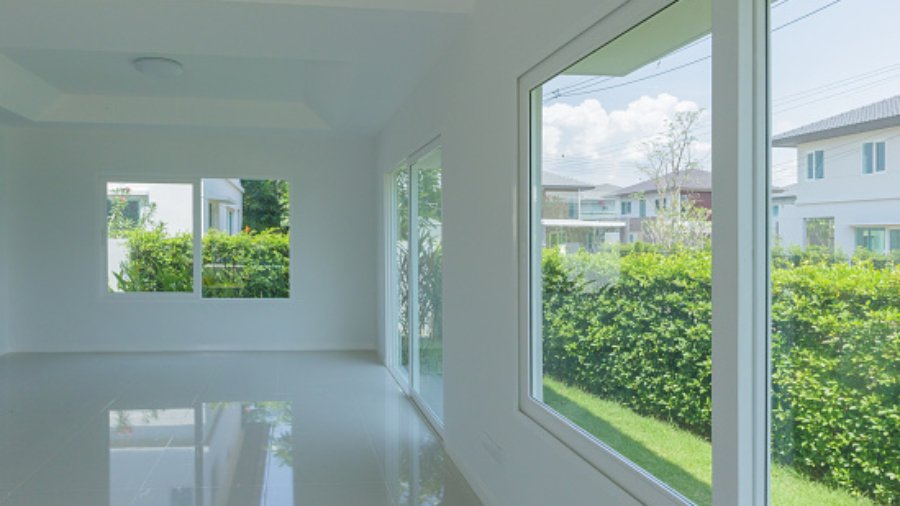
Empty room with glass window frame house interior on concrete wall

Is Painting Your House White a Bad Idea: The Hard Truth

Choosing the right color for your home’s exterior can be a daunting task. With so many options available, it can be challenging to know where to start. One color that has stood the test of time is white. White is a classic color that is often associated with cleanliness, modernity, and versatility. It can complement different architectural styles and create a bright and welcoming atmosphere. However, despite its many advantages, some people believe that painting your house white is a bad idea. In this blog post, we’ll explore both the advantages and disadvantages of painting your house white and help you decide whether it’s the right choice for your home.

So below, we shall be examining the various advantages and disadvantages of painting your house white. However the truth still boils down to your preferences and taste

Advantage of Painting your House White

White is a classic and timeless color that is often used for home exteriors. It is a popular choice among homeowners because of its ability to create a clean and modern look, as well as its versatility in complementing different architectural styles. In this article, we’ll explore some of the advantages of painting your house white and why it could be the perfect choice for your home.

Reflects sunlight and heat, keeping the house cool

One of the most significant advantages of painting your house white is its ability to reflect sunlight and heat. This can be especially beneficial in areas with hot summers, as it can help to keep your home cool and reduce your energy bills. White reflects more sunlight than darker colors, which absorb it, causing the home’s interior to heat up more quickly. By choosing white paint for your home’s exterior, you can keep your home cooler and more comfortable during the summer months.

Makes the house look larger and more spacious

White paint can make a house look larger and more spacious than it actually is. This is because white reflects light, which can create an illusion of depth and space. By painting your house white, you can make it appear more open and welcoming, which can be especially beneficial if you have a smaller home or are looking to create a more airy and spacious feeling. This can also be beneficial if you’re planning to sell your home, as a bright and spacious interior can be a selling point for potential buyers.

Complements any architectural style

White is a versatile color that can complement any architectural style. Whether you have a modern or traditional home, white paint can create a clean and timeless look that will never go out of style. This is because white is a neutral color that can blend seamlessly with any other color or design element. Whether you want to add colorful accents or keep your home’s exterior simple and minimalist, white can be the perfect backdrop to showcase your personal style.

Easy to touch up and maintain

White paint is also relatively easy to touch up and maintain compared to other colors. This is because any chips or scratches in the paint will be less noticeable against a white background. Additionally, any stains or dirt on the surface of your home will be easier to clean off against a white background, meaning you can maintain the appearance of your home with minimal effort. This can be especially beneficial if you’re looking for a low-maintenance paint color that will keep your home looking fresh and clean for years to come.

Enhances curb appeal

White paint can enhance the curb appeal of your home by creating a bright and clean appearance that is sure to catch the eye of passersby. This is because white paint reflects light, making your home’s exterior appear brighter and more inviting. Additionally, a white house can create a sense of luxury and sophistication, which can be especially beneficial if you’re looking to sell your home or impress guests.

Can be combined with other colors for a unique look

White paint can also be combined with other colors for a unique and personalized look. Whether you want to add colorful shutters, a bold front door, or unique landscaping, white can be the perfect backdrop to showcase your creative vision. This can be especially beneficial if you’re looking to create a one-of-a-kind home that stands out from the rest.

Painting your house white has many advantages that make it a popular choice among homeowners. It reflects sunlight and heat, making your home cooler and more comfortable during the summer months. It makes your house look larger and more spacious, creating a bright and welcoming atmosphere. It complements any architectural style, making it a versatile and timeless choice. It’s easy to touch up and maintain.

Disadvantages of Painting Your House White

White is often regarded as a classic and elegant color choice for a home’s exterior. Its bright and clean appearance can create a stunning contrast against natural surroundings, and it’s often associated with a sense of luxury and sophistication. However, as with any color choice, there are some significant disadvantages to painting your house white that should be considered before making a final decision. In this article, we’ll explore the main disadvantages of painting your house white.

Shows dirt and grime more easily

One of the most significant disadvantages of white paint is that it shows dirt and grime more easily than other colors. Any dirt, dust, or debris that accumulates on the surface of your home will be highly visible against a white background, making it look dirty and unkempt. This can be especially problematic if you live in an area with a lot of pollution, as the dirt will accumulate faster and require more frequent cleaning. Over time, the appearance of your white house may start to look dingy and less impressive than it did when it was first painted.

Can look plain or boring if not complemented with other colors or textures

Another disadvantage of white paint is that it can look plain or boring if not complemented with other colors or textures. While white paint can create a clean, modern look, it can also make a house look sterile and uninviting. To avoid this, homeowners must add some texture or color to their exterior by incorporating elements such as wood or brick accents, colorful shutters, or unique landscaping. If you’re not interested in adding these types of features, it might be worth considering a more colorful paint scheme for your home.

May not be suitable for certain climates or environments

White paint may not be suitable for homes in certain climates or environments. For example, homes located in areas with a lot of rain or humidity may be more prone to mold and mildew growth, which can be highly visible against a white background. Additionally, homes located in areas with a lot of dust or dirt may require more frequent cleaning to keep the white paint looking clean and fresh. If you live in an area with harsh weather conditions, it might be worth considering a more durable and weather-resistant paint color for your home’s exterior.

Requires more frequent maintenance and cleaning

Finally, white paint requires more frequent maintenance and cleaning than other colors. Any dirt or debris that accumulates on the surface of your home will be highly visible against a white background, meaning you’ll need to clean it more often to keep it looking fresh. Additionally, any chips or scratches in the paint will also be highly visible against a white background, meaning you may need to touch up the paint more frequently than you would with other colors. This can be a time-consuming and costly process, so it’s important to consider the long-term maintenance needs of a white house before making a final decision.

Best Parts of the House to Paint with the Color White

When it comes to painting your home, choosing the right color is important. While there are many colors to choose from, white is a popular choice for a number of reasons. Not only is white versatile and timeless, but it can also make your home feel larger and more spacious. If you’re considering painting your home white, here are some of the best parts of the house to paint with this classic color:


Exterior: Painting the exterior of your home white can create a clean and classic look. It’s a popular choice for traditional-style homes, but can also look great on modern and contemporary homes. White can make your home stand out from other houses in your neighborhood and create a welcoming atmosphere for guests.


Kitchen: The kitchen is often the heart of the home, and painting it white can create a bright and clean environment for cooking and entertaining. White cabinets, walls, and countertops can make your kitchen feel more spacious and inviting, and can complement a variety of design styles.


Bathroom: White is a popular choice for bathrooms, as it creates a spa-like atmosphere and can make the room feel larger and more open. White tiles, walls, and fixtures can create a timeless look that will never go out of style.


Trim and Molding: Painting your trim and molding white can create a clean and elegant look that complements any wall color. It can also make your home feel more cohesive and put-together, and can highlight architectural features like crown molding and baseboards.


Doors and Windows: Painting your doors and windows white can create a crisp and clean look that adds to your home’s curb appeal. White doors and windows can also create a sense of unity and continuity throughout your home’s exterior.


Overall, painting your home white can create a timeless and versatile look that can complement any design style. Whether you’re painting the exterior, kitchen, bathroom, trim, or doors and windows, white can make your home feel more spacious, elegant, and welcoming.


In conclusion, while white paint can create a bright and clean look for your home, it also has some significant drawbacks that should be carefully considered. It shows dirt and grime more easily, can look plain or boring if not complemented with other colors or textures, may not be suitable for certain climates or environments, and requires more frequent maintenance and cleaning. Before choosing white paint for your home’s exterior, it’s important to weigh these disadvantages against the aesthetic benefits to determine if it’s the right choice for your specific needs and preferences.


Painting your house white can be a great idea for many reasons, such as its ability to create a clean and modern look, its versatility in complementing different architectural styles, and its ability to reflect sunlight and heat, keeping your home cooler during hot summer months. However, it’s important to consider the potential disadvantages of painting your house white, such as its susceptibility to stains and dirt, its potential to make your home appear too stark and cold, and its potential to blend in too much with the surrounding neighborhood.


Ultimately, the decision to paint your house white depends on your personal preferences, the style of your home, and the surrounding neighborhood. We hope this article has helped you weigh the pros and cons of painting your house white, and that you are now equipped with the knowledge you need to make an informed decision. Remember, no matter what color you choose for your home’s exterior, the most important thing is that you love it and that it reflects your personal style and tastes.


The Ultimate Guide To Choosing a Paint Color for Your Office in 2023

The Ultimate Guide To Choosing a Paint Color for Your Office in 2023

When it comes to picking a color for your office, it can be a little confusing especially when you don’t have an idea in mind to model.

Unlike homes, there is no general color that does with office painting.

Choosing a color for your office should appeal to your brand color and work ethics. The color you pick can have an effect on how productive you are in it.

So when picking a color you would want to put into consideration your branding and work ethics.

A study carried out around 2012 revealed that a plain white office read as clinical and boring.

That is how important your choice of color is when it comes to your workplace.

Factors To Consider When Choosing the Paint Color of Your Office Space

Here are some of the major factors you should consider when choosing the right paint color for your office space

What is the Purpose of Your Office Space

Some colors are more societally associated with some industries than others, for instance, the use of blue and white will certainly denote health care in almost all parts of the world.

What is the Size of Your Office Space

Here is a principle that always works when it comes to the relationship between size and color. If you got a tight space, you would want to use lighter variations of colors to open it out. However, when you get a whole lot of space, you would want to make use of darker colors to make your space more intimate.

What is the Desired Temperature of Your Office Space

Just like the atmosphere, colors can be either hot or cold. For instance, I’d you want to warm up your space, you should consider using any of the follow colors

  • Orange
  • Red
  • Yellow

While to cool down the space, consider using light blue or light green.

What is the Amount of Natural Light in your Office Space

The human eye basically detects differences in wavelength and energy as differences in color. Therefore natural light plays a major role when it comes to how your choice of paint colors appears.

Rooms with a lot of natural light would benefit a great deal from using dark colors while rooms with less amount of light may want to consider using light colors.

What are the Colors of Large Elements in Your Room

Another way to easily pick a color to go with us considering all the large elements in your work space.

For instance, do you have a table, piano, or art works? These elements already dictate a color tone and you may just want to go with them.

Popular Choice Colors and Their Effect

Yellow

The color yellow is an emotional one and therefore a great choice for creative industries. You can easily notice that most children cartoons make use of the color yellow as it is a happy color.

Definitely, being happy boosts productivity .

This is the reason why it is regularly painted in therapy offices and counselor’s quarters.

Gray

Gray most of the time won’t work as a standalone color for an office but when paired with other bright and mood helping colors could make a lot of sense.

Green

If you are in the healthcare or financial industry, green comes in very handy as it is seen as credible, trustworthy and also authoritative.

Red

Red all the time denotes a sense of urgency or emergency, and that is the reason it is used in almost everything that denotes danger on the planet ranging from fire trucks, road signs, ambulances etc.  Also, if you are into construction, the color red may also be a nice pick for you.

Off white

The use of off white gives your office a warm and clean appearance.

This is a brilliant alternative to the use of white itself as that may have a clinical look.

The Best Paint Colors for the Healthcare Industry

If you are in the healthcare industry, you will want a clean color that will make people feel comfortable or have the feeling they are in an hygienic environment.

Most offices in the healthcare industry are painted with light colors because it makes the room look clean and open. Colors such as red and orange are diligently avoided.

Here are some of the colors mostly used in the healthcare industry and why they are used.

Light Pink

This is a warm, yet nurturing and feminine, light pink is often the color of choice in women’s clinics.

It is also a popular choice in healthcare centers specialized in children.

Pink in itself is a calm color that has the ability to alleviate negative energy such as anger.

Off-white

This is a popular color because it is clear and almost sterile when considered aesthetically.

It is a brilliant alternative to a plain white because it is more soothing and still opens up the room with its lightness.

Light blue

According to science, the human body synthesizes a coming home when blue light is introduced into the eyes. It is considered one of the most perfect backdrop colors for any health care facility worldwide.

Green

Green is a comfortable color which goes well with any health facility in fact it is one of the few colors that have chemotherapeutic effects

The Best Paint Colors for Offices in the Technology Industry

Another profession that necessitates spending a lot of time at a computer is the technology sector. The most productive workers in these spaces remain focused on minute details, such when they’re coding or troubleshooting technical problems. Additionally, there is a need to promote calmness because working extended hours and meeting deadlines can strain employees.

How Should Technology Professionals Consider Paint Colors?

Green: Painting side walls a deeply saturated shade of green will encourage workers to think creatively and innovatively about their work. Green is also calming to the eyes, which can ease tense circumstances in workers who must maintain concentration for long stretches of time.

The color blue is ideal for the technology sector because it is calming and can offer peace when it is most needed. In situations where intellectual prowess is needed, blue is also beneficial.

Hot Colors: Red, yellow, and orange paints can add jolts of energy that workers in the technology industry need to remain focused. However, these hues work best as accents or in artwork in particular sections of the facility rather than covering the entire wall.

The Best Paint Colors for Offices in the Construction Industry

The construction sector is one that demands effort and concentration. While most of the energy is expended on the work site, planning also takes place in offices frequently, so it is advised that the color scheme include hues that support the ability to stay on task, concentrate, and be precise.

The office is also a space where contractors interact with clients, so there has to be a degree of professionalism and trust conveyed through the interior design of the office.

How Should Construction Professionals Consider Paint Colors?

Brown: Brown is a wise color option for contractors’ offices because it conveys a feeling of trust. Additionally associated with warmth and reliability, brown can promote stability and confidence.

Hot Colors: You can increase the vigor of the space by using red, yellow, and orange accessories. This will keep workers motivated and prepared to take on challenging projects.

Blue: It’s important to be able to communicate with clients clearly, and blue colors in the workplace add a sense of calm that helps everyone concentrate and work out the specifics of a project.

Numerous water, chemical, and gas pipes, as well as electrical conduit, are examples of sections of the facility that must be color coded in the manufacturing sector. However, there are other areas of the facility where decisions about pain color must be made.

The finest hues are those that inspire feelings of cooperation, efficiency, safety, and productivity. When choosing paint colors, one must also consider the unique stressors that this business can create.

How Should Manufacturers Take Paint Colors into Account?

Blue: One of the most popular hues for boosting morale, manufacturing facilities frequently feature different shades of blue. Calm employees are more productive employees, which is another reason this color is so common in manufacturing.


Red: Red is used in manufacturing sites because it can give workers an energy boost that will enable them to concentrate better on their tasks. Red is used to increase power and speed, but when used excessively, it can also engender stress.


Green: Although monotonous manufacturing positions are common, green can keep workers focused throughout their shift. Green color can help give these frequently huge and windowless spaces—manufacturing facilities—a sense of the outdoors since many of them are devoid of nature.

Colors to Avoid As Standalone Colors When Painting the Interior of Your Office

Yellow

Despite the fact that yellow is a color that energizes, too much yellow used in the interior of your office can over stimulate your employees and cause instability within the office.

So instead, you should have yellow contribute a minor part to your choice color.

Lime

Just like every other color on this list, line is a great color that can be deployed in spaces where creativity is needed, however when used in excess can make it difficult for office workers to concentrate on the task at hand.

The closest alternative to this will be using a light variation of lime as that helps workers in the office space concentrate better.

Gray

If you are searching for a moody color, Gray is a cool option and that makes it a really odd color for an office. It literally drains the energy out of the office and everyone in it.

However, if you are using a color that is very bright, you can add a touch of gray in some dark areas of the office to make it more stylish.

Bright Pink

Pink is a wonderful color when it comes to painting a baby’s room. A lot of girls also like to be associated with the color pink.

However, for an office, the color pink may be too distracting. It is a bold and distracting color that lacks sincerity and should be avoided.

Red

Red is a sharp color that is usually associated with danger and for an office, it should be sparingly used or not used at all.

Use of colors such as red as the main color of an office paint tends to increase the metabolic rate of workers and as such promote aggression

Conclusion
In conclusion, selecting the right paint color for your office can have a significant impact on productivity, mood, and overall atmosphere. By following the ultimate guide to choosing a paint color for your office in 2023, you can create a space that inspires creativity, reduces stress, and increases motivation. Whether you prefer calming neutrals or bold and energizing hues, it is essential to consider the specific needs of your business and the nature of your work. Remember to take into account lighting, room size, and the desired mood when making your selection. By carefully selecting the perfect paint color for your office, you can create a professional and inviting environment that reflects your brand and supports your team’s success.

Best Paint Colors For Apartments & Condos (2023 Trends)

Best Paint Colors For Apartments & Condos (2023 Trends)

Searching for the best paint colors for apartments & condos in 2023?

The colors chosen for condos and flats convey a lot about what living there is like. Along with picking the appropriate colors, you’ll need a qualified team to complete the project on time and within your specified budget.

It might be difficult to choose colors that complement your architectural characteristics and other property features. Yet when it comes to the newest interior and outdoor paint trends, we’ve got you covered from kitchens to bathrooms, living rooms to bedrooms.

Exterior Paint Colors

The aim is frequently to avoid being either too flamboyant or too boring for those in charge of choosing the outside paint color of apartments and condominiums.

The design of the property will determine a lot of the color scheme, but it’s also important to consider the area and the interests and preferences of the current and potential residents.

If the building is small, consider using lighter hues to accentuate its size. Consider line or ivory if white is too glaring.

Dark colors, such as on shutters, doors, and trim, can also be used sparingly to lend a little drama to the outside. Darker hues can also be employed to partially conceal any aesthetic defects that the structure may have.

Whichever colors you decide on, be sure to choose a reputable painter to apply them to the walls. If the colors aren’t used properly, even if you pick the ideal mix, you won’t reap the rewards.

10 Best Paint Colors for Apartments and Condos

Color preferences for paint change from year to year. The colors of the 1940s and 1950s were red and turquoise/mint, respectively. Green became the in-thing in the 1960s, but in the 1970s it changed to a more mossy green. The 1980s were the decade of mauve, and the 1990s were the decade of purple. Over the past few decades, preferences have shifted from light blue to gray, but more lately, we’ve noticed a return to blues.

If you ask anyone what the ten trendiest paint colors are right now, you’ll probably receive a variety of answers, but these are certainly within the top ten for many people in charge of painting apartments and condominiums:

Deep Blue

It follows the current fashion in which blues are the color of choice for spaces where architectural details can be emphasized.

Sage

Sage is a quiet and soothing color that soothes residents’ stressed-out nerves.

Earthy Ochre 

This color works beautifully in living rooms and other spaces where warmth is crucial when combined with other warm tones.

White oyster

Oyster White is a better option than sterile white paint and is sometimes referred to as “greige” due to its location between beige and gray.

Heavenly White

Some areas require more sterile hues, but Divine White can help you avoid crossing too much of that line.

Silver

Silver is a fantastic hue for smaller rooms since it has a more contemporary vibe and a hint of refinement.

Green

Green tones are another popular trend; they look great in spaces that require the extra warmth this color provides.

Sky Blue

Sky Blue will brighten a dimly lit room or one that is closed off.

Beige

Apartments and condos frequently use neutral colors, but mixing beige with other neutrals can have a striking effect.

Light Gray with White Trimming

It’s a traditional combo that has never truly lost favor in condos and apartments.

Suggested Paint Colors for Different Parts Of Your Home

Whole Interior

You can keep a neutral theme throughout a unit without sacrificing aesthetics rather than painting the entire apartment or condo a flat white color. Consider decorating the space in a variety of shades of gray, white, beige, and earth tones if the aim is to make it appear welcoming but you know the new occupants will eventually select colors that reflect their own preferences.

Living Room

You can use paint to add interest to your living room if it lacks any architectural characteristics that are particularly noteworthy. But paint can also draw attention to architectural details that are already there and that you wish to stand out a little more.

For a stunning look in your living room, use the colors Pure White, Charcoal Blue, and Austere Gray in the proportions of 60:30:10. Use a blend of Moderate White, Dover White, Macadamia, and Wool Skein for a look that is more natural.

Bathroom

Bathrooms are small areas that might benefit slightly from a color combination, so in some cases you can be a little more daring in your selections. A dark Black Magic accent, for instance, works beautifully with the mid-green Garden Spot and the tan Double Latte hues from Sherwin Williams. You can choose several gray hues, such as Rhinestone and Gray Clouds, for a lighter look, but you can also add a vivid accent color, like Cajun Red, to make the space stand out.

Kitchen

Kitchens can have a variety of characteristics based on the hardware, flooring, countertops, and cupboards that are already there. You can adopt a modern, rural, rustic, or traditional strategy. One of Sherwin Williams’ best kitchen paint colors, Blue Sky, will provide airiness to the space if your kitchen receives little natural light.

You might use the rust-colored Cayenne paint in kitchens with lots of natural light and a paler shade of grayish-tan Wool Skein to balance it out.

Bedroom

Choosing a soothing color scheme for bedrooms is a common trend. Nowadays, Neutral Ground, an off-white color, is a popular paint color for bedrooms. Choose Celestial for your bedroom if you want to stick with the fashionable blue color scheme this year. It will make the space brighter while yet having a peaceful impact. Check out the teal-like hue Drizzle and the off-white choice Downy if you’re trying to mix colors.

Is Your Condo Small and You Would Love To Make It Look Bigger?

Best Paint Colors For Apartments & Condos (2023 Trends)

Using lighter hues is a tried-and-true trick for making a small space appear larger. In actuality, a wall seems taller when a lighter hue is utilized above the eyeline. Even though bathrooms are typically the smallest rooms in apartments and condos, this does not mean that they must always be painted white. In fact, you can enhance the transforming power of this space by using a bold hue.

Soft blonde paint with white trim can be used to “warm up” small condos and apartments.

Particularly in tiny spaces, beige is a neutral color that is rarely out of style. In some other small rooms, you might even find a return to the 1950s with a mint green alternative, which can give the small area a more lively air.

Pearl gray has long been the go-to color for tiny rooms where white is deemed too antiseptic; nevertheless, soft yellow can also be used for a cheerier effect. Sage, a light shade of mossy green, looks great in compact spaces with lots of natural light. Sky Blue also does a great job of elongating the appearance of a space.

Five Techniques to Make an Apartment Look Bigger

Let’s face it: compared to the typical home, condos and apartments are frequently significantly smaller. How therefore can we make these snug areas appear larger? Here, the color schemes of your residence may make all the difference, and we’ll show you how to achieve it.

Use Single Paint Color Themes

Use a single color to paint the entire small or studio apartment to help the room appear larger. By making the room appear larger than it actually is, this will help you open up your apartment or condo.

By painting every surface the same color, barriers between rooms are eliminated, making it easier to connect spaces without visually splitting them up by color, which can make a room appear smaller.

We suggest using a lighter neutral shade that will work in every room.

Go With Bold Shades

To help breathe a little extra life into a small space, go for bold colors. Big, rich, bold shades help add vibrancy to small apartments, livening up the space, and subsequently, making it feel more open.

This helps the mind focus more on the apartment colors, and less on the actual size of the room, making the colors the focal point. We recommend sticking to one bold color not to create a mismatched, disjointed feel in your small space.

Solid Hues

To help make walls feel less two-dimensional, use solid colors to paint your apartment. Solid shades will add depth to your space, making it feel larger. Not sure what we mean? Let’s explain.

When thinking about solid colors, we are almost getting into color blocking. So, if you paint your walls a beautiful yellow, a deep orange opening in the space will help add depth, using the two solid colors to open the space and create emphasis that makes it feel larger.

Disguising Low Ceilings

Low ceilings are one of the primary reasons apartments can feel small. Creating an almost claustrophobic space, even the largest apartments will feel smaller if the ceilings are low, so how do we mitigate this?

To disguise low ceilings, it’s essential to move beyond the walls and consider condo paint ideas for the ceiling. White, light blue, yellow, and beige ceilings can help open the space and make it feel larger. As part of this, you want to make sure the color you choose for the ceiling is always lighter than the walls, making them feel lifted and the space more open.

Add a Pop

When it comes to home décor, you always need an element of surprise. To add décor pops, you want them to be cohesive with your paint colors, but you can also work with the existing structural components of your space.

Take a radiator, for example. Sure, it isn’t the most beautiful thing in the world, but how about painting it a bright color, surprising guests by using it as an accent piece? Or, paint an accent wall that compliments your furniture, making your space feel vibrant and alive. There’s no reason you can’t use apartment paint ideas to show off your creativity, right?

Paint Colors To Avoid for Rental Properties

Renter turnover implies that potential tenants are almost always checking out apartments to determine if they meet their needs. Because of this, you should stay away from vibrant and daring hues. While some people adore paint in this manner, the majority will not be drawn to these colors.

People appear to either admire or despise bright yellow walls, for instance. You should stay away from that color because there isn’t much of a middle ground here. Avoid using vibrant red and orange colors since they could make potential tenants feel uneasy.

While there are many different shades of blue that are fashionable right now, avoid vivid blue because most people consider it to be on the “hate it” side of their color preferences.

Conclusion

In conclusion, choosing the right paint color for your apartment or condo can make a huge difference in the overall look and feel of your living space. With the latest 2023 trends in mind, you can transform your home into a stylish and inviting sanctuary. Whether you prefer bold and vibrant hues or soft and soothing tones, there is a perfect paint color out there for you. Remember to consider factors such as lighting, room size, and personal taste when making your selection. By following these tips and staying up-to-date with the latest trends, you can create a beautiful and comfortable home that you will love for years to come.